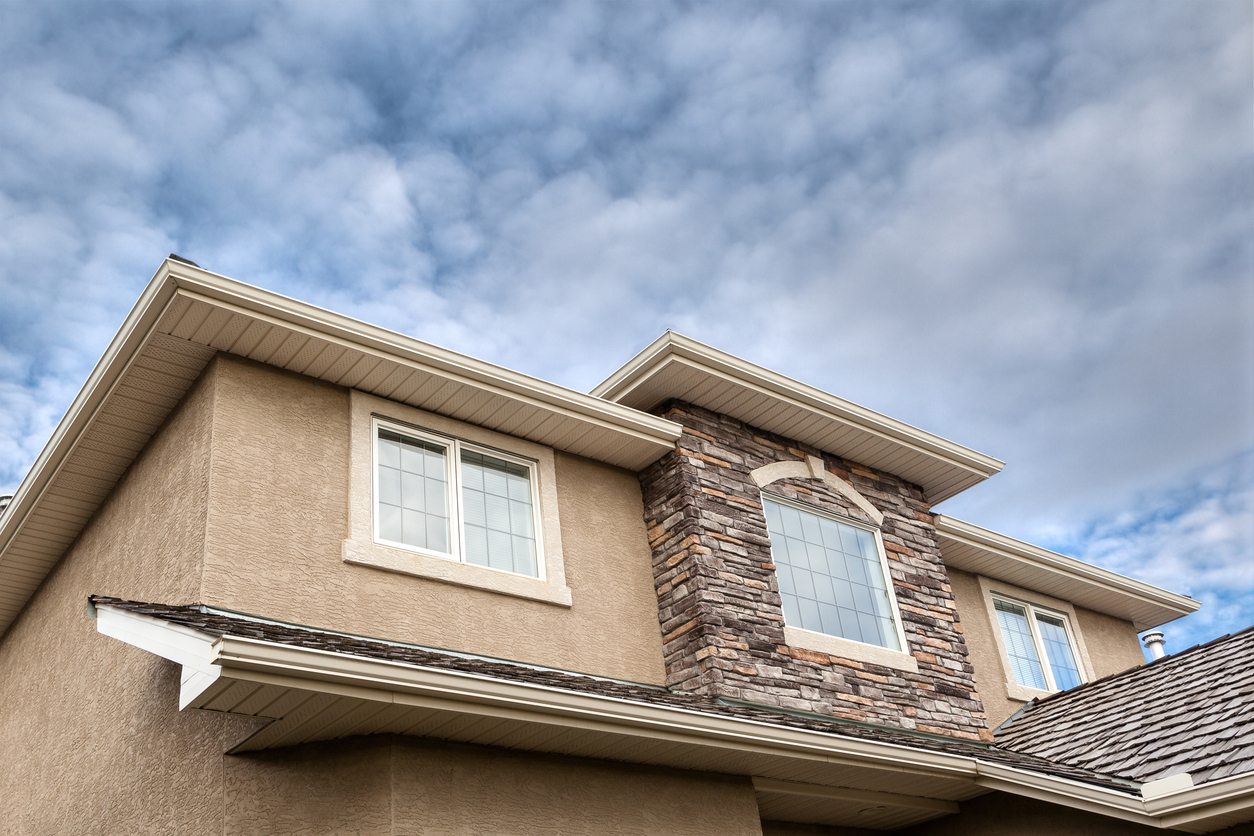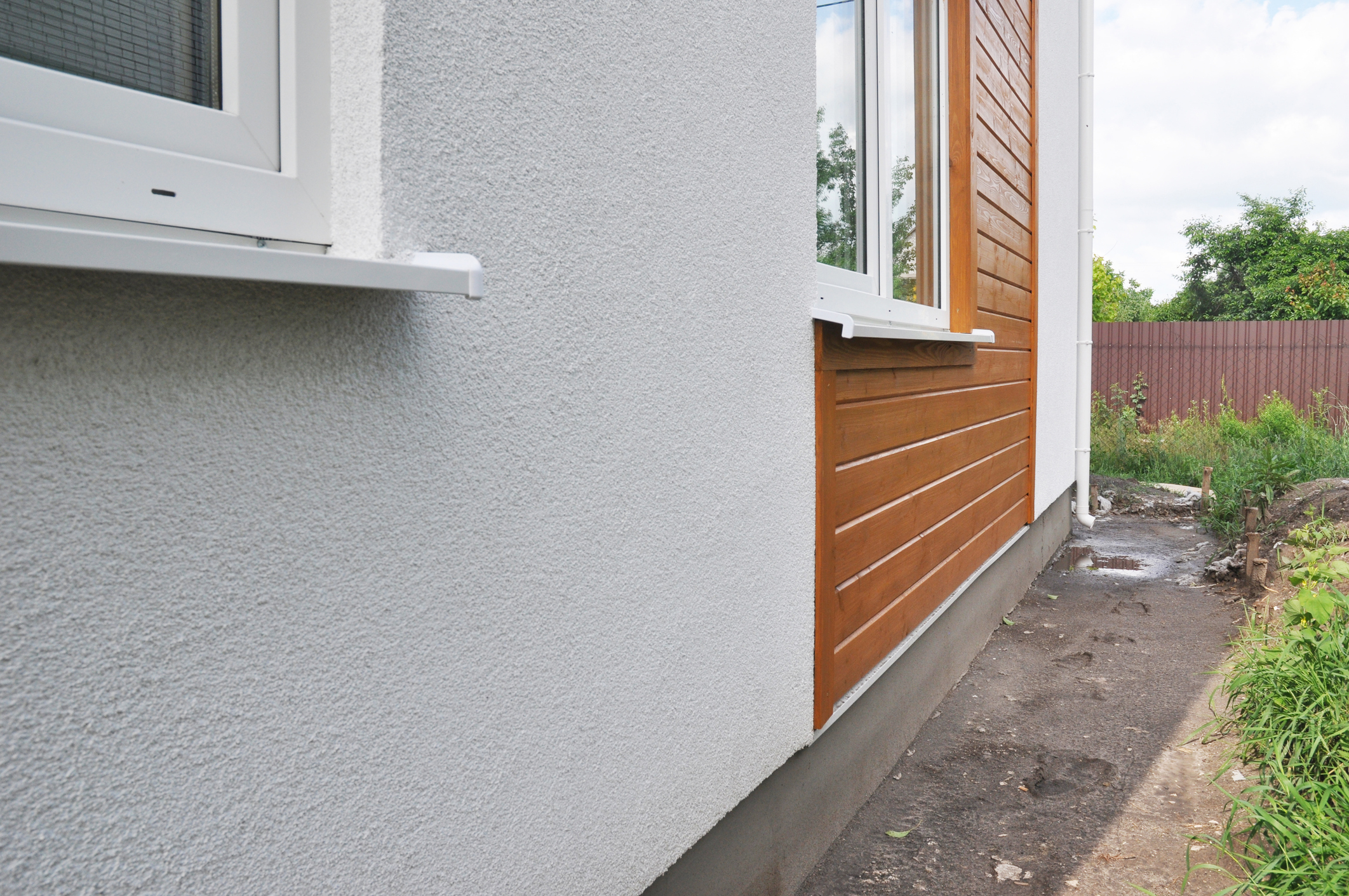

Dunedin’s older neighborhoods are full of mid-century concrete block homes, and stucco is the exterior finish tying most of them together. It looks great when it’s in good shape, but this area gives stucco a real workout. Between summer temperatures pushing deep into the 90s, close to 50 inches of rain falling most years, and salty air rolling in off the coast, stucco surfaces here face constant pressure. That combination of moisture, heat, and coastal exposure causes stucco to expand and contract, crack at the surface, and eventually allow water to work its way behind the wall. Once that happens, you’re not just dealing with a cosmetic issue anymore. Soft spots, hollow sections, rust stains around windows, and dark discoloration near the roofline are all signs that water has already found a way in.
Professional stucco repair and restoration addresses these problems at the source rather than just covering them up. At SouthShore Roofing & Exteriors, we understand what stucco in this part of Pinellas County goes through year after year. A proper repair means removing the compromised material, correcting the moisture source, and rebuilding with the right layers, including weather barriers and metal lath, so the finished surface holds up against everything this coastal environment throws at it. Texture and color matching bring the repaired area back in line with the rest of your home’s exterior, so the work blends in rather than standing out.
Knowing what to expect before work begins makes the process easier. Here is how stucco repair is handled from initial inspection through completion.
Stucco damage rarely looks the same from one home to the next, but certain problems come up repeatedly in Dunedin. Understanding what’s behind each issue helps you make better decisions about timing and repair scale before things go further than they need to.
| Issue | Common Cause | What It Means for Repair |
|---|---|---|
| Hollow or soft sections | Moisture is trapped behind the surface separating the stucco from the building | Full removal of compromised material and building repair before reapplication |
| Rust stains or dark discoloration | Failed flashing around windows, doors, or the roofline, allowing water behind the wall | The leak source must be corrected before new stucco coats are applied |
| Flaking or chunking surfaces | Salty air is breaking down older stucco that lacks a proper weather-resistant composition | Deteriorated layers were removed and rebuilt with materials suited for coastal exposure |
| Hairline cracks | Seasonal temperature changes cause gradual expansion and contraction in the surface | Often repairable without full resurfacing if moisture has not reached the building |
| Structural cracks | Foundation settling is common in Dunedin’s coastal soils, shifting the wall beneath | Requires inspection to determine repair scale before any patching begins |
Catching these problems early keeps repairs focused and manageable. Left unaddressed through another rainy season, most of these issues grow in scale and pull in more of the surrounding stucco than the original damage ever did.
Stucco repairs in Dunedin require materials that can hold up against ongoing salty air exposure, not just standard patching compounds. We use weather-resistant mixes suited for coastal environments so the repaired sections don’t deteriorate ahead of the surrounding wall.
Florida building standards require proper moisture barriers during stucco repairs, and for good reason in a market with this much annual rainfall. Where existing barriers are absent or compromised, we install new weather-resistant underlayment behind the stucco layers to keep water from reaching your home’s siding again.
When moisture has already worked its way behind the surface, applying new stucco over a damp building leads to the same problem coming back faster. We allow affected areas to dry thoroughly before recoating, which reduces the risk of microbial growth and gives the new layers a clean, stable surface to bond to.
In Pinellas County, exterior structural work that goes beyond minor patching often requires a permit before repairs can begin. We identify whether your repair falls into that category upfront and handle the coordination so you stay compliant with local requirements without having to navigate that process on your own.
Stucco in this part of Florida takes a beating year after year. The combination of heat, heavy seasonal rains, and constant salty air off the coast means even well-applied stucco eventually shows wear, and what starts as a small crack can quietly let water behind your wall before you notice anything wrong. Addressing repairs while the damage is still contained protects your home’s exterior, keeps the repair’ scalemanageable, and helps you avoid the kind of work that grows into something much larger and more expensive than it had to be.
If you’ve spotted cracks, soft spots, discoloration, or anything else that doesn’t look right on your stucco, SouthShore Roofing & Exteriors is ready to take a look. We work with homeowners throughout the Dunedin, FL area to figure out exactly what’s going on and get it repaired properly. Reach out whenever you’re ready, and we’ll get you started.
Got questions about your roof? We’ve got answers. From maintenance tips to insurance claims and repair timelines, our FAQ section covers the most common concerns homeowners have. Get informed and make confident decisions about protecting your home.
It does, and it matters more here than in many other parts of the state. Dunedin’s rainy season runs from June through September, bringing heavy afternoon storms that can wash out fresh stucco before it cures properly. Repairs done between October and May have a much better chance of curing fully without interruption, which directly affects how well the finished surface holds up over time.
Most of the concrete block homes built here from the 1950s through the 1970s were finished with stucco mixes that weren’t formulated for the kind of salty air exposure this coastal area delivers year after year. Older applications also frequently lack the weather-resistant barriers that current Florida building standards require, so moisture finds its way behind the surface more easily. That combination of aging materials and missing underlayment is why these homes tend to cycle through repairs more often than newer builds with updated specifications.
The surface appearance doesn’t always tell the full story, which is one of the things that catches homeowners off guard. A simple tap test across the area around a crack can reveal hollow sections where the stucco has already separated from the surface beneath, even when the visible damage looks minor. Discoloration, soft spots, or a slightly bulging surface near the cracked area are also signs that moisture has moved behind the wall, and the repair’s scaleis likely larger than the crack alone suggests.
Don't wait for leaks or storm damage to threaten your property. Our experienced Tampa roofing team delivers reliable repairs, replacements, and maintenance services that stand up to Florida's toughest weather. With years of local experience and a commitment to quality craftsmanship, we're here to keep your family safe and dry.
Get your free roofing estimate today and discover why Tampa homeowners trust us with their most important investment.


 Instant Quote