

How Often Should You Have a Commercial Roof Inspected? Key Factors and Guidelines


Ensuring the integrity and longevity of a commercial roof requires a proactive approach to maintenance, prominently through regular inspections. Many business owners may wonder, “How often should a commercial roof be inspected?” Routine evaluations are not just a recommendation but a necessity for several reasons. Studies show that 75-85% of roofs are replaced prematurely, often due to neglected maintenance that could have prevented major issues. These inspections help to identify potential issues before they escalate into costly repairs. By investing in regular commercial roof maintenance, businesses can significantly extend the lifespan of their roofing systems while simultaneously enhancing the safety of building occupants. In fact, every $1 spent on maintenance saves $3-$5 in future repair costs.
The frequency of roof inspections can vary based on several factors including the age of the roof, local weather conditions, and previous maintenance history. However, adhering to a professional roof inspection schedule can preemptively address signs of roof damage and ensure compliance with safety regulations. This preventive strategy helps avert disruptions caused by unexpected roofing failures, safeguarding both the physical assets and the operations within the commercial establishment.
Key Takeaways: Commercial Roof Inspection Frequency
- Inspect Twice Yearly: Schedule commercial roof inspections twice per year—once before and once after hurricane season in Tampa to catch weather-related damage early.
- Maintenance Saves Money: Every $1 spent on roof maintenance saves $3-$5 in future repair costs, preventing the premature replacement that affects 75-85% of commercial roofs.
- Use Professional Equipment: Professional inspectors employ infrared scanners and moisture detection devices to identify hidden water damage beneath the roof surface that visual checks miss.
- Emergency Inspections Required: Schedule immediate inspections after severe weather events like hurricanes or storms to identify damage and prevent further deterioration to your commercial roof.
Determining How Often to Schedule Inspections
Several key factors influence how often you should have a commercial roof inspected. Primarily, environmental conditions play a significant role. In areas like Tampa, FL, where extreme weather can be a common occurrence, more frequent inspections may be necessary to address the wear and tear caused by heavy rains and strong winds. Additionally, the age of the roof and the materials used are critical determinants. Older roofs or those made from less durable materials might require more regular checks to maintain their integrity and functionality.
It is generally recommended that commercial roofs be inspected at least twice a year—once after the harshest weather season and once before it begins. For Tampa specifically, schedule inspections before and after hurricane season to identify damage caused by severe weather conditions such as high winds and heavy rains. This schedule may be adjusted based on the specific conditions mentioned earlier.
| Inspection Type | Frequency | Primary Purpose | Triggers |
|---|---|---|---|
| Routine Inspection | Twice yearly (spring and fall) | Preventive maintenance and early problem detection | Scheduled calendar dates; before/after hurricane season in Tampa, FL |
| Emergency Inspection | As needed | Identify immediate damage and prevent further deterioration | Severe weather events (hurricanes, storms, high winds, heavy rains) |
Emergency inspections are necessary after severe weather events like hurricanes or storms, and these focus on identifying immediate roof damage to prevent further deterioration. Engaging a professional roofing contractor for these inspections ensures that any subtle signs of roof damage are identified and addressed promptly, preventing minor issues from escalating into major, costly repairs. This proactive approach not only helps in prolonging the life of the roof but also supports optimal commercial roof maintenance practices.
Signs Your Roof Needs Immediate Inspection
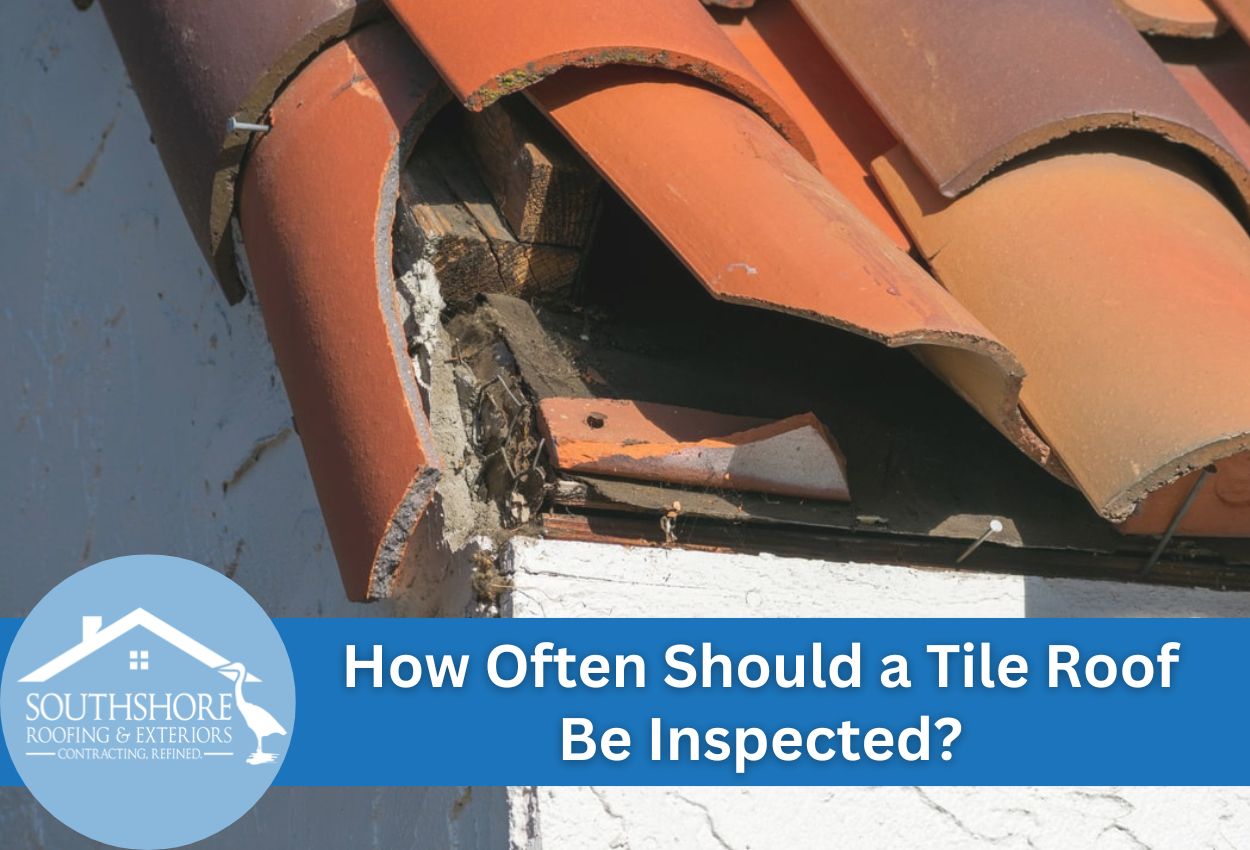
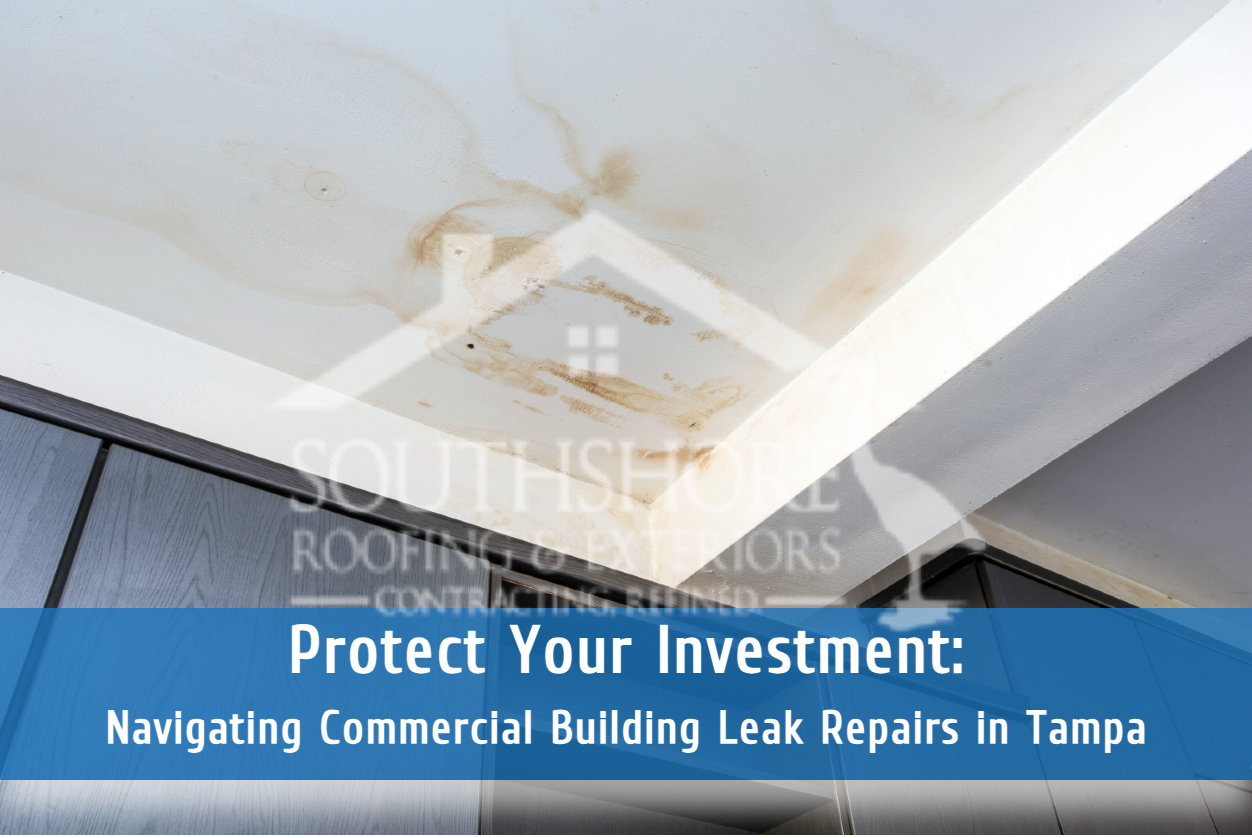
Identifying when a commercial roof requires an immediate inspection can be crucial for maintaining its integrity and functionality. Visible damage, such as leaks, cracks, and significant wear, should prompt business owners to seek professional roof inspection services promptly, especially when considering a commercial roof inspection after storm to catch hidden issues early. These signs of roof damage not only compromise the structure of the roof but can also lead to more extensive and costly repairs if not addressed quickly.
Commercial flat roofs present unique challenges that require special attention. Water pooling, which can lead to leaks and structural damage, membrane punctures, and ensuring proper drainage systems are functional are critical concerns. These issues can cause severe structural problems if left unaddressed.
In addition to obvious physical damage, business owners should be vigilant about hidden problems that might not be immediately apparent. Issues like moisture accumulation within the roofing layers or unexplained dampness in attic spaces can indicate underlying problems that require professional attention. These hidden concerns can lead to the deterioration of roofing materials, potentially causing severe issues that could impact the overall safety and performance of the roof.
Compliance and Legal Requirements
Scheduled commercial roof inspections help you adhere to local safety codes and regulations, which is essential for avoiding legal penalties. Regular inspections provide documentation that proves compliance with local laws, protecting your business from potential legal issues. Whether in Tampa, FL, or other regions prone to severe weather conditions, ensuring that your roofing contractor services include regular checks for both visible and hidden problems is essential. This proactive approach in commercial roof maintenance helps safeguard the building against potential damage and extends the lifespan of the roof.
The Role of Professional Roof Inspectors
Many property owners might consider inspecting their commercial roofs themselves, but hiring a professional roof inspector offers invaluable benefits. Professional inspectors are equipped with the specific skills, tools, and knowledge required to identify issues that untrained eyes might miss. This expertise is crucial to ensure that all aspects of the roof are thoroughly examined, adhering to safety regulations and industry standards.
Professional inspectors use advanced tools and equipment that go far beyond basic visual inspections. Infrared scanners and moisture detection devices allow inspectors to detect issues not apparent during visual inspections, providing a comprehensive assessment of your roof’s condition.
| Equipment | What It Detects | Advantage |
|---|---|---|
| Visual Inspection | Surface damage, visible cracks, ponding water, debris | Identifies obvious problems and maintenance needs |
| Infrared Scanners | Temperature variations indicating moisture intrusion | Detects hidden water damage beneath roof surface |
| Moisture Detection Devices | Trapped moisture within roofing layers | Identifies issues before leaks become visible inside building |
During a professional roof inspection, inspectors follow a systematic process to assess the condition of your roof thoroughly. Initially, they conduct a visual examination to identify signs of wear and tear or damage. Following this, they might use specialized equipment to test the moisture levels, scan for thermal irregularities, and check the structural integrity. The inspector will also examine gutters, downspouts, and other components to ensure they are in good condition. At the end of the inspection, you will receive a detailed report highlighting any issues found and recommendations for necessary repairs or maintenance.
Preparing for a Roof Inspection
Before a professional roof inspection, there are several steps you can take to prepare your building and roof. Firstly, ensure that the roof is accessible by clearing any debris or equipment that might obstruct the process. This not only facilitates a thorough inspection but also ensures the safety of the inspector. Additionally, document any known issues with your roof, as this information will be helpful to the roofing contractor conducting the inspection.
Once the inspection is complete, handling the findings properly maintains your roof’s integrity. If the inspection reveals any problems, schedule repairs promptly. Delaying necessary repairs can lead to more significant issues, increasing the repair costs and potentially causing interruptions to your business operations. Consulting with your roofing contractor can help you understand the extent of the damage and the best course of action to take to ensure your roof remains in optimal condition.
Maintenance Tips Between Professional Inspections
Routine roof maintenance extends the lifespan of your commercial roof and ensures it remains in good condition between professional inspections. Simple practices such as clearing debris, maintaining gutters, and removing standing water can significantly prevent potential damage. Regularly checking for signs of wear or any visible damage can also help in identifying issues early, thereby avoiding more extensive repairs later.
There are also specific circumstances where it might be necessary to call for an early re-inspection. If you notice any signs of roof damage, such as water leaks, lifting or loose materials, or sagging, contact a roofing contractor immediately. Additionally, after experiencing severe weather conditions like heavy storms or hurricanes, especially in areas like Tampa, FL, scheduling an early inspection can address any damage caused by the weather. This proactive approach not only ensures the safety and stability of your commercial roof but also maintains its functionality and longevity.
Choosing the Right Roofing Contractor in Tampa, FL
When selecting a roofing contractor in Tampa, consider various criteria to ensure you are getting reliable and professional service. Key factors include the contractor’s experience, licensing, insurance, and their reputation within the local community. Choose contractors who specialize in the roofing material you have, such as EPDM, TPO, single-ply membrane, modified bitumen, or metal roofing panels, as they are more familiar with the challenges and solutions specific to these types of structures. These contractors should not only offer routine maintenance checks but also provide thorough inspections to identify any signs of roof damage early on. By following these tips, you can find the right contractor for your building’s needs.
Commercial Roof Inspections for Tampa Businesses
When it comes to maintaining the integrity of your commercial roof, trust the experts at SouthShore Roofing & Exteriors. With over a decade of experience, we understand the importance of regular inspections for commercial roofs in Tampa, FL. Call us today at (813) 400-3329 to schedule a professional inspection and ensure the longevity and safety of your commercial property. Don’t wait until it’s too late, proactive maintenance is key to avoiding costly repairs. Let SouthShore Roofing & Exteriors be your partner in keeping your commercial roof in top condition.
What happens if I skip regular roof inspections for several years?
Neglecting inspections allows minor issues like small cracks or membrane damage to progress undetected, potentially leading to structural deterioration, interior water damage, and voided warranties. Many insurance policies also require documented maintenance records, so skipping inspections could complicate claims if damage occurs.
Can weather conditions affect when I should schedule my commercial roof inspection?
Yes, extreme temperatures can impact inspection accuracy. Inspectors may postpone visits during very hot days when roofing materials expand or during freezing conditions when membranes become brittle. Ideal inspection weather is mild and dry, allowing inspectors to safely access all roof areas and accurately assess conditions.
Who is responsible for roof inspections in leased commercial properties?
Responsibility typically depends on your lease agreement terms. Most commercial leases specify whether the landlord or tenant handles roof maintenance and inspections. Review your lease carefully and communicate with the property owner to clarify obligations, ensuring the roof receives proper attention regardless of who schedules the service.
How long does a typical commercial roof inspection take to complete?
Most commercial roof inspections require 1-3 hours depending on roof size, complexity, and accessibility. Larger buildings or those with multiple roof levels may take longer. The inspector will need additional time to compile a detailed report with findings, recommendations, and photographic documentation afterward.
Will my business operations be disrupted during a roof inspection?
Professional roof inspections cause minimal disruption since inspectors work externally on the roof. You may hear footsteps overhead, but daily operations can continue normally. Inspectors only need interior access if they’re checking attic spaces or investigating specific leak locations you’ve reported.