 Instant Quote
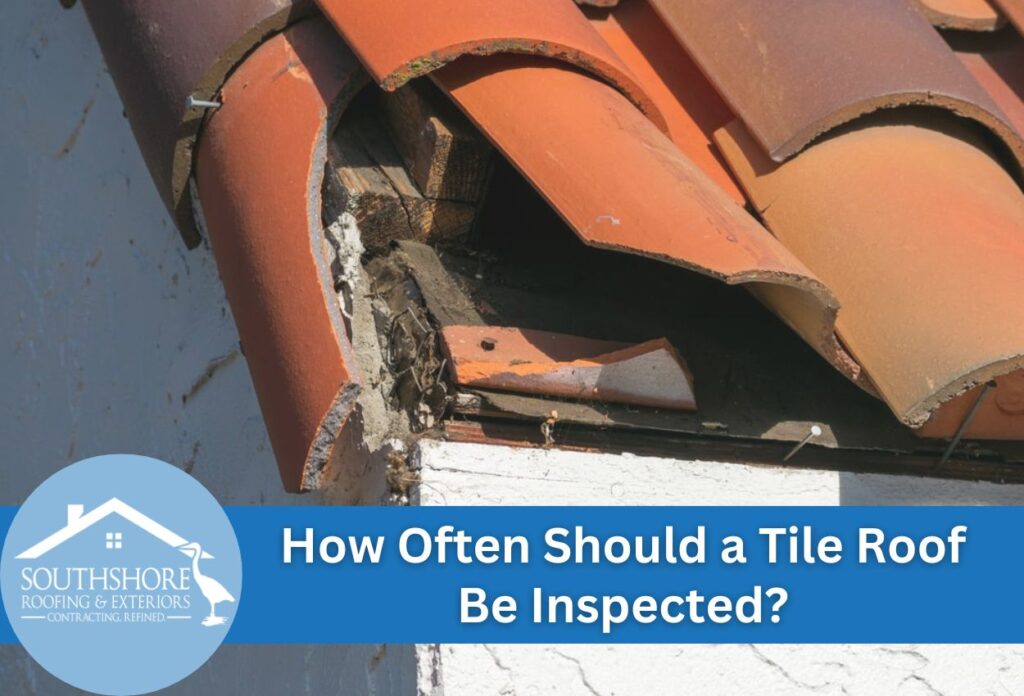
Maintaining the lifespan and durability of your tile roof starts with regular inspections. Many homeowners wonder, “How often should a tile roof be inspected?” The frequency of these inspections can significantly impact the durability and functionality of your roofing system. Tile roofs, known for their aesthetic appeal and resilience, still require routine care to prevent common issues that could lead to expensive repairs or premature replacements.
Tile roof maintenance is not just about preserving its appearance, it’s essential for finding potential problems early on. Signs that your tile roof needs to be inspected include cracked or missing tiles, moss and algae growth, or leaks that can compromise the structural integrity of your home. By following the best practices for tile roof care, homeowners can extend the lifespan of their roofs and ensure they continue to protect the property effectively.
Regular inspections are a key component of tile roof maintenance, allowing professionals to fix issues immediately. This practice not only helps maintain the aesthetic appeal of your home but also protects against the elements, so your roof remains a reliable shield against weather-related damages.
Understanding Tile Roof Lifespan and Material Characteristics
The lifespan of a tile roof can vary based on the materials used and the local climate conditions. In Tampa, FL, where weather patterns can be harsh, understanding the durability of roofing materials is important. Concrete tiles typically last 30-50 years, while clay tiles can endure 50-100 years, with some maintaining even longer under optimal conditions.
| Component | Material Type | Expected Lifespan |
|---|---|---|
| Tile | Concrete | 30-50 years |
| Tile | Clay | 50-100 years |
| Underlayment | All types | 15-25 years |
Material quality has a pivotal role in the lifespan of a tile roof. For instance, clay tiles are celebrated for their ability to withstand decay, fire, and insect damage, making them a good choice in regions with diverse weather conditions like Tampa. On the other hand, concrete tiles, while durable, may require more frequent inspections and maintenance due to their porous nature which makes them susceptible to moisture absorption.
While tiles themselves are extremely durable, the underlayment typically lasts only 15-25 years, requiring replacement mid-lifespan even when tiles remain intact. This makes regular inspections essential for detecting underlayment deterioration before it leads to water damage.
Local climate is another factor affecting the durability of tile roofs. Tampa’s humid subtropical climate, characterized by hot, wet summers and mild winters, can accelerate wear and tear on roofing materials. Frequent storms and the potential for hurricane-force winds necessitate regular roof inspections to ensure the integrity of the tiles and underlying structures. Understanding these material characteristics and local environmental impacts can help homeowners maintain their tile roofs, extending their service life and functionality.
Signs Your Tile Roof Needs Inspection
Identifying the right time for a tile roof inspection is important for maintaining its integrity. Several visual and functional signs can indicate that your tile roof requires a professional check-up. For instance, if you notice broken, cracked, or missing tiles, it’s a clear sign that immediate attention is needed. Other indicators include an accumulation of debris or moss, which can retain moisture and cause the tiles to deteriorate over time.
Similarly, if you observe any leaks inside your home during or after a rainstorm, it’s a sign that your roof’s underlayment may be compromised. This can lead to more severe water damage if not addressed quickly. Regular inspections can catch these issues early, potentially saving you from more extensive and expensive repairs in the future.
Taking care of these signs immediately is not only essential for preventing further damage but also for the safety of your home. Delaying roof inspections can lead to more significant problems, such as structural damage or mold issues, which are more costly and challenging to fix. By recognizing these signs and acting quickly, you can maintain the overall health of your roof and extend its lifespan so it continues to protect your home efficiently. A professional inspection typically takes 60-90 minutes, providing thorough assessment that goes far beyond a quick visual check.
Recommended Inspection Schedule for Tile Roofs
Establishing a regular inspection schedule for your tile roof is necessary for homeowners, particularly in areas like Tampa, FL, known for its harsh weather conditions. Experts typically recommend that tile roofs be inspected at least once a year. However, in regions with severe weather patterns, such as Tampa, more frequent inspections may be necessary to address any damage caused by heavy rains, strong winds, or hurricanes.
The need for more frequent inspections in Tampa is due to the potential for rapid deterioration of roofing materials under constant exposure to the elements. Factors such as high humidity, salt air, and the UV rays from intense sunlight can all contribute to the accelerated wear of tile roofs. Homeowners should consider bi-annual inspections to effectively manage these environmental impacts and keep their roof in optimal condition.
For newer roofs in good condition, inspections every 4-6 years may be sufficient, providing a realistic timeline for recently installed roofs without visible damage. However, after any major weather event like a hurricane or severe storm, it’s recommended to schedule an inspection to assess any damage. This proactive strategy not only helps in spotting minor issues before they escalate but also ensures your tile roof continues to protect your home. By adhering to this recommended inspection schedule, you can enhance the durability and performance of your tile roof, safeguarding your investment over the years.
| Roof Condition | Inspection Frequency | Additional Notes |
|---|---|---|
| Newer, undamaged roofs | Every 4-6 years | Suitable for recently installed roofs with no visible issues |
| Standard maintenance | Annually | Recommended baseline for most tile roofs |
| Tampa/harsh weather areas | Bi-annually (twice per year) | Increased frequency due to intense sun, humidity, and storm exposure |
| After severe weather events | Immediately | Inspect following hurricanes, hailstorms, or high winds |
| Roofs 50+ years old | Bi-annually or more | Aging roofs require closer monitoring for replacement indicators |
Best Practices for Tile Roof Maintenance
Maintaining your tile roof through regular inspections and care can extend its lifespan and improve its durability. Knowing how often a tile roof should be inspected is a key aspect of this maintenance, especially in regions like Tampa, FL, where the weather can be especially harsh on roofing materials.
For those considering DIY maintenance, several steps can be taken to preserve the condition of your tile roof. Regularly clearing away debris, cleaning gutters and downspouts, and checking for cracked or broken tiles are all ways to maintain your roof’s integrity. When cleaning tiles, apply specialized cleaning solutions designed for tile surfaces, starting from the lower part of the roof and working upwards. Use low-pressure sprayers to avoid water penetration beneath tiles, allow the solution to sit for the recommended time, then rinse with a gentle water stream. Apply sealants to provide an extra layer of protection against harsh sun and rain, preserving the roof’s integrity. However, for more comprehensive inspections and to address any signs of serious damage, hiring professional roofing services is recommended. Professionals can spot potential issues that are not obvious to the untrained eye and can perform repairs that contribute to the longevity of your roof.
Combining regular DIY care with professional inspections can prevent common issues with tile roofs, such as leaks or structural weakening due to trapped moisture or pest infestations. This approach to tile roof maintenance not only saves money in the long run but also ensures that your roof continues to effectively protect your home.
Common Issues with Tile Roofs and Preventative Measures
Tile roofs are known for their durability and aesthetic appeal, yet they are not immune to problems. Common issues with tile roofs include cracking, breaking, and displacement of tiles, often due to severe weather exposure or natural wear over time. Additionally, the buildup of algae and moss, particularly in humid climates like Tampa, FL, can degrade the tiles and the roof structure.
To avoid these issues, preventative strategies are essential. Regular inspections have an important role in maintaining the integrity of a tile roof. During these inspections, professionals can identify and repair minor issues before they turn into major repairs.
Other preventative measures include cleaning the tiles to prevent moss and algae buildup and replacing damaged tiles promptly to avoid further roof damage. Checking that the roof has proper drainage and is free from debris can also help maintain the overall health of a tile roof. Flashing acts as a barrier to water intrusion around vents, chimneys, and other roof protrusions, and should be routinely inspected and repaired to prevent leaks. With the best practices for tile roof care mentioned above, homeowners can extend the lifespan of their roof and avoid expensive future repairs
When to Consider a Roof Replacement
Sometimes inspections reveal that replacement is more appropriate than repair. Homeowners should consider roof replacement when they encounter these five key indicators:
- Age of roof exceeds 50 years, even for durable clay tiles
- Extensive breakage across large portions of the roof surface
- Persistent leaks despite multiple repair attempts
- Underlayment deterioration that compromises the entire system
- Sagging roof indicating structural compromise
Understanding these replacement indicators helps homeowners make informed decisions about when maintenance is no longer sufficient and a full roof replacement becomes the most cost-effective solution.
The Importance of Hiring a Professional for a Tile Roof Inspection
When it comes to maintaining your tile roof, hiring a professional roofing contractor for regular inspections is non-negotiable. A professional can provide expertise and insight that goes beyond a visual assessment, helping to identify potential issues that could lead to severe damage if left unchecked. The benefits of hiring a professional include thorough assessments, expert maintenance tips, and proper diagnosis of any underlying issues that might not be apparent to the untrained eye.
To choose the right roofing contractor in Tampa, FL for your tile roof needs, start by researching local contractors with good reputations and the necessary licenses. Check online reviews and ask for references to gauge the reliability and quality of their services. It’s also wise to make sure they have experience specifically with tile roofs, as these require unique care and knowledge. A reliable contractor will offer transparent pricing, a detailed inspection report, and a maintenance plan tailored to your roof’s specific needs.
Expert Recommendations for Maintaining Your Tile Roof in Tampa, FL
Taking care of your tile roof is important for your property’s protection. Trust SouthShore Roofing & Exteriors, your local roofing experts, for professional tile roof inspections and maintenance. Call us at (813) 400-3329 to schedule a thorough inspection and protect your home. Don’t wait until issues escalate – act now to preserve the integrity of your tile roof.
What happens if I skip regular tile roof inspections for several years?
Skipping inspections allows minor issues like small cracks, displaced tiles, or early underlayment deterioration to progress undetected. Over time, these problems can lead to water infiltration, structural damage, mold growth, and compromised insulation. Regular inspections catch these issues early when repairs are simpler and less disruptive to your home.
Can I walk on my tile roof to check for damage myself?
Walking on tile roofs is not recommended for homeowners, as tiles can crack under direct pressure, especially older or already compromised tiles. Additionally, the roof surface can be slippery and dangerous. If you must inspect from above, use proper safety equipment and step only on the lower third of each tile where it overlaps, or better yet, hire a professional trained in safe tile roof navigation.
How does Tampa’s climate specifically affect tile roof deterioration?
Tampa’s combination of intense UV exposure, high humidity, salt air from coastal proximity, and frequent severe storms creates a uniquely challenging environment. UV rays can fade and weaken tiles over time, while humidity promotes moss and algae growth that traps moisture. Salt air accelerates corrosion of metal components like flashing and fasteners, making bi-annual inspections particularly important in this region.
What should I do immediately after a hurricane passes through Tampa?
After a hurricane, visually inspect your roof from the ground for obvious damage like missing tiles, debris accumulation, or visible displacement. Document any damage with photographs for insurance purposes. Schedule a professional inspection as soon as possible, even if no damage is visible, since high winds can compromise underlayment and flashing without breaking tiles. Avoid climbing on the roof yourself during this assessment.
Are there specific warranties that cover tile roof components differently?
Most tile roof warranties distinguish between the tiles themselves and other components like underlayment, flashing, and fasteners. Tile manufacturers typically offer 50-year or lifetime warranties on the tiles, while underlayment warranties usually range from 15-30 years. Understanding your warranty coverage helps you plan for component replacements and ensures you maintain inspection schedules that keep warranties valid.