

Common Gutter Installation Mistakes That Can Cost Homeowners Thousands


Gutter installation errors can transform a simple home improvement project into a nightmare of water damage, foundation issues, and structural problems. Florida’s intense rainstorms and humid climate make proper gutter systems essential for protecting homes from moisture damage and expensive repairs.
Common gutter installation mistakes often go unnoticed until significant damage occurs. Improper gutter slope prevents water from flowing toward downspouts, creating standing water that can breed mosquitoes, as well as cause rust. On top of that, gutter sizing mistakes leave homeowners with systems unable to handle heavy rainfall, resulting in overflow that damages landscaping, siding, and foundations.
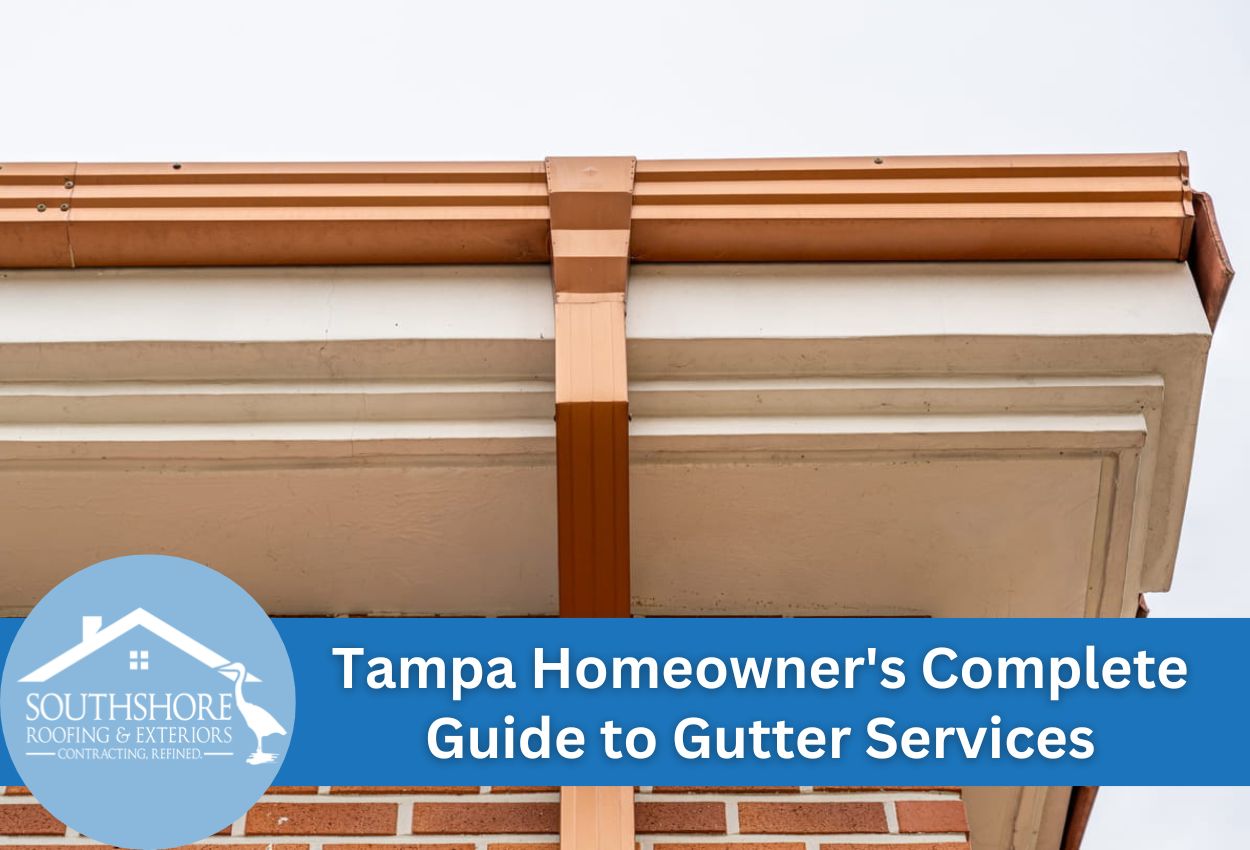
Downspout placement problems can make these issues worse by directing water toward vulnerable areas of the home rather than safely away from the structure, while poor gutter hanger spacing causes sagging and separation during storms, and incorrect fascia attachment leads to pull-away damage that requires expensive repairs.
Understanding all of these installation pitfalls before beginning a gutter project protects both the value of your property and its structural integrity. Professional installation techniques address slope calculations, proper sizing for roof area, strategic downspout positioning, and adequate support systems. Recognizing the warning signs of a faulty installation helps homeowners make informed decisions about repairs or replacement before seemingly minor issues turn into full-on system replacements.
Getting the Slope Wrong and Creating Water Problems
Improper gutter slope is one of the most serious gutter installation errors that can plague homeowners. When gutters lack adequate pitch, water cannot flow efficiently toward downspouts, creating stagnant pools that become breeding grounds for mosquitoes and other pests. This standing water problem becomes particularly troublesome in humid climates where moisture lingers longer and promotes mold and mildew growth, which can be harmful to your health.
The precise measurements required for the best possible water flow need careful calculation and installation expertise. Gutters need a slope of approximately ¼ inch for every 10 feet of gutter length to ensure proper drainage. This seemingly minor detail makes the difference between a functional system and one that creates persistent water problems.
Insufficient slope can lead to water accumulation that weighs down gutter sections, causing sagging and potential separation from fascia boards. The trapped moisture accelerates rust formation in metal gutters and promotes algae growth that clogs the system further. During heavy rainstorms, improperly sloped gutters overflow at low points rather than directing water toward designated drainage areas.
Professional installers use laser levels and string lines to achieve a consistent pitch throughout the entire gutter run. They account for thermal expansion and contraction that can affect slope over time, ensuring the system maintains proper drainage characteristics through seasonal temperature changes. Correcting slope issues after installation often requires the complete removal and reinstallation of affected gutter sections.
Choosing the Wrong Gutter Size for Your Roof
Gutter sizing mistakes represent one of the most expensive gutter installation errors homeowners face during Florida’s intense rainfall seasons. Undersized gutters simply cannot handle the volume of water that flows from rooftops during thunderstorms, leading to overflow that damages foundations, landscaping, and exterior walls. Many contractors make the error of installing standard 5-inch gutters on homes that require 6-inch systems or larger.
The relationship between roof square footage and gutter capacity determines whether a system can manage heavy precipitation effectively. A typical 1,500 square foot roof generates approximately 935 gallons of water during a 1-inch rainfall. When gutters cannot accommodate this volume, water spills over the edges and pools around the foundation, creating erosion problems and potential structural damage.
Calculating proper gutter capacity involves measuring the roof’s drainage area and considering local precipitation rates. Florida experiences some of the heaviest rainfall in the United States, with some areas of the state getting just about 60 inches a year. This high precipitation volume requires larger gutter systems than those used in drier climates.
Problems with the placement of downspouts can add up, potentially harming undersized gutter systems by creating bottlenecks that prevent efficient water flow. Professional installers evaluate the entire drainage system, including downspout size and spacing, to ensure adequate capacity. Proper gutter hanger spacing also becomes critical when supporting larger, heavier gutter systems filled with substantial water volumes during storms.
Poor Downspout Positioning That Damages Your Foundation
Downspout placement problems create some of the most devastating consequences among common gutter installation mistakes. When downspouts discharge water too close to the foundation, hydrostatic pressure builds against basement walls and crawl spaces, leading to cracks, leaks, and structural settling. This improper positioning transforms the gutter system from a protective feature into a source of expensive foundation damage.
Strategic placement techniques require positioning downspouts to direct water at least 6 feet away from the home’s foundation. Professional installers evaluate the natural grade and drainage patterns around the property to identify the best discharge locations. They avoid placing downspouts near basement windows, foundation plantings, or areas where water can pool against the structure.
Common spacing errors occur when contractors install too few downspouts or position them incorrectly along the gutter run. Each downspout should handle no more than 35 feet of gutter length to prevent overflow during heavy rainfall. Inadequate spacing creates bottlenecks that cause water to back up and spill over gutter edges, defeating the point of the entire drainage system.
Proper downspout installation includes extending discharge pipes away from the foundation using splash blocks, flexible extensions, or underground drainage systems. The surrounding landscape should slope away from the home to encourage water flow toward appropriate drainage areas. These gutter installation errors compound quickly when multiple downspouts direct water toward the same foundation area, creating concentrated erosion and pooling that threatens structural stability.
Inadequate Hanger Support Leading to Sagging Systems
Gutter hanger spacing issues create structural failures that can compromise the entire drainage system during severe weather. When hangers are positioned too far apart, gutters cannot support the weight of accumulated water and debris, leading to sagging sections that disrupt proper water flow. This inadequate support becomes particularly problematic during Florida’s hurricane season when gutters face extreme stress from wind and heavy rainfall.
Different gutter materials require specific spacing requirements to maintain structural integrity. Aluminum gutters need hanger support every 24 inches, while heavier materials like steel or copper require closer spacing at 18-inch intervals. Vinyl gutters need the most frequent support, with hangers positioned every 16 to 18 inches to prevent thermal expansion damage and wind uplift.
Coastal areas face additional challenges from corrosion and sustained high winds that test gutter attachment points. Inadequate fastening allows hangers to pull away from fascia boards, creating gaps that permit water infiltration behind the gutter system. This moisture leads to wood rot and structural damage that extends beyond the gutter itself.
Signs of insufficient support include visible sagging between hangers, gaps between gutters and fascia boards, and water stains on exterior walls. Quality hangers distribute weight effectively and resist corrosion that weakens attachment points over time.
Seals and Joint Failures That Cause Leaks
Seal failures at important connection points are some of the most overlooked gutter installation errors that lead to extensive water damage. When joints between gutter sections lack proper seals or use incompatible materials, water can get behind fascia boards and go into the roof structure. These seemingly minor gaps allow moisture to reach vulnerable wooden components, creating rot and decay that weaken the entire roofing system.
Critical sealing points include corner joints, end caps, downspout connections, and expansion joints that accommodate thermal movement. Professional installers will apply the appropriate sealants designed for outdoor exposure and temperature fluctuations common in humid climates, avoiding the issue of improperly sealed selections, which can lead to premature cracking and separation.
Material compatibility issues, like galvanic corrosion, occur when dissimilar metals like aluminum and steel create reactions in the presence of moisture. This chemical process accelerates joint failure and creates gaps that compromise the entire drainage system.
Temperature changes cause gutter materials to expand and contract, placing stress on sealed joints throughout seasonal cycles. Quality installation techniques account for this movement by using flexible sealants and proper joint design. Inspecting the connection points helps identify early signs of separation before water damage occurs, protecting both the gutter system and underlying structural components from moisture-related deterioration.
Ignoring Local Building Codes and Weather Considerations
Building code violations during gutter installation create serious liability issues that go beyond simple functionality problems. Tampa’s specific requirements for hurricane resistance and wind loads exist to protect homes from the extreme weather conditions common to Central Florida. These regulations mandate specific attachment methods, materials, and spacing requirements that many installers overlook or ignore completely.
Hurricane-rated gutter systems must withstand wind speeds exceeding 140 mph while maintaining structural integrity and preventing debris from becoming dangerous projectiles. The attachment methods required for these conditions differ significantly from standard installation techniques used in less volatile climates. Proper wind load calculations determine the number and type of fasteners needed to secure gutters against uplift forces that can tear entire systems from buildings.
Permit requirements for gutter replacement often surprise homeowners who assume these systems fall outside regulatory oversight. Tampa’s building department requires permits for major gutter installations, particularly those involving structural modifications or electrical connections for heating elements. Skipping the permit process creates problems during insurance claims when coverage depends on code-compliant installation.
Insurance companies increasingly scrutinize gutter installation methods when processing wind damage claims. Non-compliant installations can void coverage entirely, leaving homeowners responsible for repair costs that could have been prevented through proper permitting and inspection processes. Professional contractors understand these local requirements and ensure installations meet both current codes and insurance standards.
Avoid Expensive Errors with Professional Gutter Installation from SouthShore Roofing & Exteriors
Avoiding common gutter installation mistakes is important for maintaining the structural integrity and value of your Tampa home. From ensuring the correct slope to choosing the right gutter size and proper downspout positioning, each step is vital in preventing water damage and foundation issues. At SouthShore Roofing & Exteriors, we understand the specific challenges that Florida’s climate poses and offer expert solutions tailored to your home’s needs.
Don’t let improper installation compromise your home’s safety. Ensure your gutters are installed correctly by calling us today at (813) 400-3329.