 Instant Quote
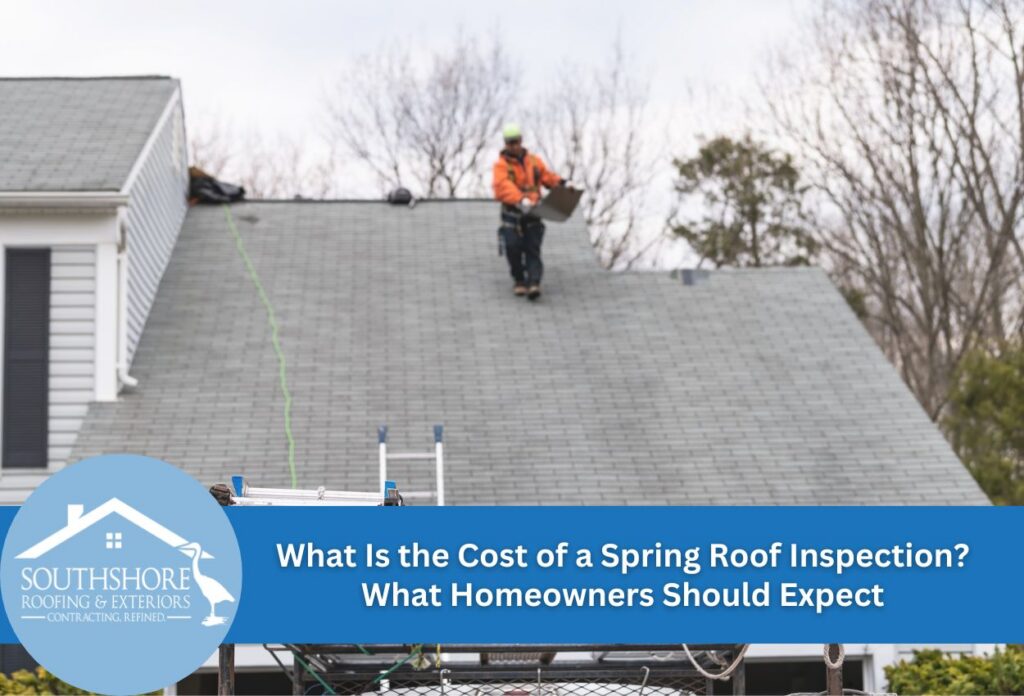
What Is the Cost of a Spring Roof Inspection? What Homeowners Should Expect
Key Takeaways:
- Cost Varies: Expect the cost of a spring roof inspection to vary based on your roof’s size, pitch, accessibility, material type, and the detailed report documentation.
- Choose Wisely: Verify your inspector is licensed and insured; ask if their fee covers written reports, photos, and attic inspections to ensure value for your investment.
- Prepare Ahead: Clear your yard’s perimeter and attic access before the inspection; this ensures a thorough evaluation and efficient use of appointment time.
Spring arrives as the perfect opportunity for homeowners to assess their roofs after months of winter weather exposure. Professional roof assessments during this season help identify damage from wind and storms before minor issues escalate into expensive repairs. Understanding the investment required for spring roof maintenance allows property owners to budget appropriately and protect one of their home’s most important components.
The cost of a spring roof inspection varies based on several factors that affect the complexity and duration of the evaluation. Roof size, pitch, accessibility, and the type of roofing material all play significant roles in determining what homeowners can expect to pay. Additional considerations include the age of the roof, previous damage history, and whether the inspection includes detailed reporting or thermal imaging technology. Professional roof assessment services provide valuable peace of mind by identifying potential problems early, helping homeowners avoid emergency repairs during severe weather seasons. Seasonal roof care through fast inspections represents a proactive approach to home maintenance that can extend the lifespan of roofing systems and prevent water damage to interior spaces.
Key Factors That Influence Roof Inspection Pricing
Several physical characteristics of a roof directly affect how much time and effort professional inspectors must dedicate to a thorough evaluation. Larger roofs naturally require more time to examine every section, while steeper pitches create safety challenges that require specialized equipment and additional precautions. Accessibility issues, such as multiple stories, surrounding landscaping, or architectural complexity, can extend the duration of roof inspection services and increase labor requirements.
The type of roofing material installed on a home significantly influences the expertise needed for accurate assessments. Asphalt shingles, tile, metal, and flat roofing systems each present unique inspection challenges that require specific knowledge to identify potential problems. Older roofs often need more detailed examinations to evaluate remaining lifespan and detect age-related deterioration that might not be immediately visible. Professional roof assessment experts must understand how different materials weather over time and recognize subtle signs of failure specific to each roofing type. These variables combine to determine the complexity of spring roof maintenance evaluations and the skill level required from inspectors conducting seasonal roof care examinations.
What Is Included in a Professional Spring Roof Assessment
A full professional roof assessment involves multiple inspection stages that examine both visible and hidden components of the roofing system. Inspectors begin with exterior evaluations, checking shingles or tiles for cracks, curling, missing pieces, and granule loss that indicate weathering. They examine flashing around chimneys, vents, and skylights for separation or corrosion, inspect gutters and downspouts for proper drainage, and assess the condition of fascia boards and soffit areas. The evaluation extends to attic spaces where professionals check ventilation systems, look for water stains or moisture accumulation, and verify proper insulation placement that prevents ice dam formation.
Basic visual inspections differ significantly from detailed evaluations that provide documentation. While simple assessments identify obvious damage, thorough spring roof maintenance examinations include photographic evidence of problem areas, written reports detailing findings, and specific recommendations for repairs or replacements. Professional roof assessment services that offer detailed documentation give homeowners tangible records for insurance claims and future reference. These roof inspection services justify higher fees through the value they provide beyond surface-level observations, delivering actionable information that supports informed decisions about seasonal roof care investments and timing for necessary repairs.
The Value of Investing in Seasonal Roof Maintenance
Early detection through spring roof inspection prevents minor winter damage from developing into emergencies that require immediate attention at premium prices. Small cracks in flashing, loose shingles, or subtle leaks discovered during a routine professional roof assessment can be addressed affordably before they compromise structural integrity. Seasonal roof care that identifies problems early extends the functional lifespan of roofing systems by preventing accelerated deterioration that occurs when damage goes unnoticed through multiple weather cycles.
Preventive spring roof maintenance delivers significant financial advantages compared to reactive approaches that address problems only after they become obvious. Emergency repairs during severe weather typically cost substantially more than scheduled work completed under favorable conditions. Many insurance providers recognize the value of documented roof inspection services and may offer policy benefits for homeowners who demonstrate proactive property maintenance. Regular professional roof assessment also protects home values by ensuring this important component remains in the best condition, which becomes particularly important during real estate transactions. The roof inspection benefits extend beyond immediate problem identification to include long-term cost savings through extended material life and reduced likelihood of catastrophic failures that require complete replacement.
Choosing Between DIY and Professional Roof Inspection Services
Homeowners can perform basic visual checks from ground level to monitor obvious changes in their roof’s appearance between professional evaluations. These simple observations might identify missing shingles, visible damage after storms, or debris accumulation in gutters. However, self-inspection carries significant safety risks when homeowners attempt to access roofs without proper equipment or experience. Falls from roofs represent serious injury hazards, and untrained individuals often miss subtle warning signs that indicate developing problems beneath surface layers.
Professional roof assessment brings specialized knowledge and equipment that homeowners cannot replicate through casual observation. Experienced inspectors recognize early indicators of failure specific to different roofing materials and understand how various components interact within the complete system. They utilize safety gear designed for working at heights and possess insurance coverage that protects property owners from liability. Spring roof maintenance conducted by qualified professionals includes attic inspections and close examination of flashing details that reveal hidden moisture intrusion before interior damage becomes apparent. While homeowner monitoring between scheduled evaluations supports seasonal roof care awareness, roof inspection services from trained experts remain essential for accurate condition assessments that inform repair timing and investment decisions for this important home component.
Selecting a Qualified Roof Inspector in Your Area
Verifying proper credentials before hiring someone to perform spring roof maintenance protects homeowners from liability and ensures qualified professionals evaluate their property. Reputable roof inspection service providers carry general liability insurance that covers potential property damage during assessments and workers’ compensation insurance that protects homeowners if inspectors are injured on their property. State and local licensing requirements vary by region, so confirming that contractors hold appropriate certifications for the specific area demonstrates their commitment to professional standards. Established businesses with verifiable addresses and documented history in the community typically provide more accountability than individuals operating without proper business infrastructure.
Asking specific questions before scheduling a professional roof assessment helps homeowners understand what their investment includes and whether the inspector possesses relevant experience. Important inquiries should address how long the evaluation typically takes, whether the inspector provides written reports with photographs, and if the service includes attic inspections as part of seasonal roof care. Homeowners should request information about the inspector’s experience with their specific roofing material and ask for references from recent clients. Understanding exactly what the service fee covers prevents surprises and ensures the roof inspection benefits justify the expense through thorough evaluation rather than superficial observation that misses important details affecting the system’s structural integrity and longevity.
Preparing for Your Spring Roof Inspection Appointment
Taking a few simple steps before the inspector arrives helps ensure a thorough evaluation and efficient use of appointment time. Homeowners should clear the area around the house perimeter, removing patio furniture, grills, and decorative items that might obstruct ladder placement or prevent access to all roof sections. Trimming back tree branches that hang over the roof eliminates obstacles and allows inspectors to examine edges and valleys closely. Inside the home, clearing pathways to attic access points and removing stored items that block entry enables complete interior assessments that reveal moisture problems or ventilation issues affecting overall roof performance.
During the professional roof assessment visit, inspectors typically spend between 1 and 3 hours examining all components of the roofing system, depending on size and complexity. Most roof inspection services include both exterior evaluations conducted from the surface of the roof and interior examinations of attic spaces where moisture damage first becomes visible. Homeowners should expect inspectors to take photographs documenting specific concerns and to ask questions about the roof’s age and previous repair history. Many providers deliver written reports with findings and recommendations within 2 to 5 business days following the appointment. Understanding this timeline for spring roof maintenance results helps homeowners plan for any seasonal roof care needs identified during the evaluation and schedule repairs before summer storm season arrives.
Ensure Your Roof is Spring-Ready with SouthShore Roofing & Exteriors
As the winter season ends, it’s important to assess the condition of your roof to handle the upcoming weather challenges. SouthShore Roofing & Exteriors offers spring roof inspections to ensure your home remains safe and secure. Our experienced professionals will thoroughly examine your roof, from the shingles’ structural integrity to attic ventilation, providing you with a detailed report on any necessary repairs or maintenance.
Contact SouthShore Roofing & Exteriors today at (813) 400-3329 to schedule your spring roof inspection and ensure your home is protected year-round.