 Instant Quote
Key Points:
- Metal roofs can warp under specific conditions, but modern systems are engineered to prevent this with proper design and installation.
- Warping is mostly preventable, often stemming from installation errors like improper fastening or inadequate ventilation.
- Quality materials, correct installation techniques, and accommodating natural thermal movement are important to preventing metal roof distortion.
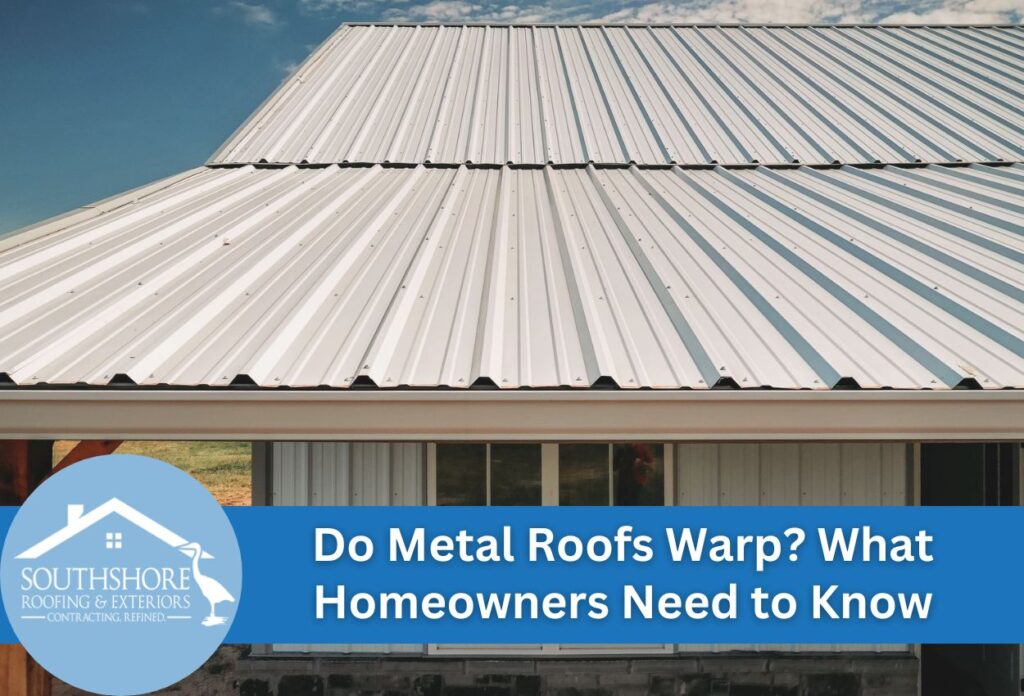
Metal roofs can experience warping under specific conditions, but modern metal roofing systems are engineered to reduce this risk through advanced design and proper installation techniques. Warping typically occurs when metal roof panels undergo uneven thermal expansion and contraction, inadequate fastening, or poor installation practices that fail to accommodate natural metal roof thermal movement.
Steel roof buckling and other forms of metal roof distortion are preventable issues when contractors follow manufacturer specifications and building codes. Quality metal roofing materials include expansion joints and proper spacing to handle temperature fluctuations without compromising the structural integrity of the system. Metal roof installation problems often stem from insufficient underlayment, incorrect fastener placement, or failure to account for the roof deck’s movement patterns.
Understanding the factors that contribute to metal roof warping helps homeowners make informed decisions about installation and maintenance. Preventing metal roof warping requires selecting appropriate materials, ensuring proper ventilation, and working with experienced contractors who understand metal roof expansion and contraction principles. Most warping issues are entirely avoidable with correct installation techniques and quality materials.
The Science Behind Metal Roof Expansion and Contraction
Understanding metal roof thermal movement requires examining how temperature changes affect roofing materials at the molecular level. When temperatures rise, metal molecules move faster and spread apart, causing the material to expand. During cooling periods, molecules slow down and contract back toward their original position. This natural process of expansion and contraction occurs daily as temperatures fluctuate between day and night, as well as seasonally.
Engineering principles guide manufacturers in designing systems that accommodate this thermal movement without causing steel roof buckling or permanent deformation. Modern metal roofing incorporates expansion joints, flexible fastening systems, and proper panel overlap techniques to allow controlled movement. These design specifications prevent metal roof installation problems by ensuring panels can expand and contract freely within predetermined spaces.
Preventing metal roof distortion depends on selecting materials with appropriate thermal properties and designing installation systems that work with natural expansion patterns rather than against them. Quality metal roofing systems account for temperature variations and provide adequate space for thermal movement, eliminating stress points that could lead to warping or buckling over time.
Common Causes of Metal Roof Distortion and Buckling
Metal roof installation problems represent the leading cause of warping and buckling issues in residential and commercial applications. Improper fastening patterns create stress points that restrict natural thermal movement, forcing panels to buckle when temperatures change. Contractors who skip manufacturer specifications or use incorrect fastener spacing often create conditions where damage becomes inevitable as the roofing system fights against its own expansion needs.
Inadequate structural support adds to these installation errors by allowing excessive deflection. When roof decking moves independently of the metal panels, uneven stress distribution occurs across the surface. Poor ventilation systems trap heat and moisture, accelerating metal roof expansion and contraction cycles beyond normal parameters. These environmental stresses combine with installation defects to create visible warping patterns.
Extreme temperature swings and leaks represent significant environmental factors contributing to metal roof distortion over time. Structural settling shifts the entire roofing system, altering panel alignment. Preventing metal roof distortion requires addressing both installation quality and environmental conditions that accelerate normal wear patterns on metal roofing systems.
Installation Techniques That Prevent Warping Issues
Proper fastening methods play a critical role in preventing metal roof distortion by allowing controlled thermal movement while maintaining structural integrity. Professional installers use specialized fasteners with rubber washers and floating attachment points that accommodate metal roof expansion and contraction without creating stress points. Fastener spacing requirements follow manufacturer specifications to distribute stress evenly across the panels, preventing localized pressure points that could lead to buckling.
Strategic underlayment installation creates a thermal barrier that reduces temperature fluctuations beneath metal panels. Adequate ventilation systems prevent heat buildup in the roof, maintaining more consistent temperatures that reduce the severity of thermal movement. Ridge and soffit ventilation, along with proper air circulation channels, work together to control moisture accumulation and temperature extremes.
Professional installation techniques incorporate expansion joints at panel connections and roof transitions to accommodate natural movement without compromising weather protection. These methods effectively address metal roof installation problems before they develop into expensive repairs, ensuring long-term performance and preventing metal roof distortion through proper system design and execution.
Material Quality and Its Impact on Roof Stability
Metal roofing systems have excellent strength but require protective coatings to resist corrosion that can weaken a panel’s structural integrity over time. Aluminum offers superior resistance to thermal expansion due to its lower thermal coefficient, making it less prone to steel roof buckling issues, and Copper provides exceptional stability and naturally develops a protective patina that enhances the long-term performance against thermal movement.
Material thickness significantly influences a roof’s ability to resist warping during expansion and contraction cycles. Thicker gauge metals maintain their structural rigidity under thermal stress, reducing the likelihood of permanent deformation. Premium coating systems create additional barriers against environmental factors while improving the material’s ability to reflect heat, minimizing temperature-related metal roof expansion and contraction. These protective finishes also prevent corrosion that could compromise the panel’s strength and lead to premature failure.
Quality specifications for fasteners, underlayment, and structural components work together to create stable roofing systems. Preventing metal roof distortion requires selecting materials engineered for specific climate conditions and installation requirements, ensuring all components function as an integrated system rather than individual elements.
Warning Signs of Metal Roof Problems in Tampa’s Climate
Homeowners should regularly inspect their metal roofing systems for visual indicators that could mean that problems are developing with the panel alignment, the integrity of the fasteners, and the overall performance of the system. Changes in panel positioning, visible gaps between sections, or raised edges often mean that thermal movement has exceeded normal parameters. Loose or missing fasteners create entry points for moisture while allowing panels to shift during expansion and contraction cycles, potentially leading to steel roof buckling if left unaddressed.
Tampa’s intense subtropical climate creates unique challenges for metal roof performance through extreme temperature fluctuations, high humidity levels, and frequent storm activity. The combination of scorching summer heat followed by afternoon thunderstorms can accelerate a metal roof’s expansion and contraction cycles beyond what many northern climates experience. High humidity can promote corrosion around fastener points and panel edges, weakening the structural connections that prevent metal roof distortion.
Hurricane-force winds and driving rain test metal roofing systems beyond normal operating conditions, revealing weaknesses in installation quality or material degradation. Preventing metal roof distortion in Florida’s demanding environment requires vigilant monitoring for early warning signs like water stains, panel separation, or unusual noise during temperature changes that indicate metal roof installation problems requiring professional attention.
Professional Solutions for Existing Metal Roofing Issues
Professional contractors employ specialized repair techniques to address metal roof warping and buckling without requiring complete system replacement. These methods include panel realignment procedures, fastener replacement with appropriate expansion-compatible hardware, and structural reinforcement where thermal stress has compromised the structural integrity of the panels. Experienced roofers can often correct steel roof buckling by redistributing loads and installing additional support systems that accommodate proper metal roof thermal movement patterns.
Repair approaches focus on addressing the underlying causes of metal roof distortion rather than simply treating visible symptoms. Professional assessment identifies whether warping results from incorrect installation methods, material fatigue, or environmental factors exceeding the design’s parameters. Contractors may install expansion joints, replace inadequate fastening systems, or improve ventilation to reduce future thermal stress on the roofing system.
Complete replacement becomes necessary when extensive corrosion, structural damage, or repeated failures indicate the existing system cannot reliably perform its weather protection function. A professional installation by qualified contractors prevents recurring distortion problems through proper material selection, appropriate fastening techniques, and adequate accommodation for metal roof expansion and contraction. Quality replacement projects incorporate lessons learned from previous failures to ensure long-term stability and prevent metal roof distortion in the future roofing system.
Trust SouthShore Roofing & Exteriors for Your Metal Roof Needs in Tampa
Are you concerned about the potential warping of your metal roof due to Tampa’s harsh climate? Don’t let worries about metal roof distortion keep you up at night. SouthShore Roofing & Exteriors specializes in installing high-quality metal roofs that resist warping, buckling, and other common issues. We use advanced installation techniques and premium materials to ensure your roof withstands Florida’s intense sun, high humidity, and storm activity, providing you with peace of mind and a durable, long-lasting roof.
Don’t wait for visible signs of damage to take action. Call us today at (813) 400-3329 to schedule a professional inspection and ensure your roof remains in top condition. Protect your home with SouthShore Roofing & Exteriors, where quality meets reliability.