
 Instant Quote

If you’re a homeowner looking to improve your home’s energy efficiency, you might be wondering if a new roof will help with your monthly energy bills. The answer is a resounding yes! A new roof can significantly impact your home’s temperature regulation and energy costs. As a trusted roofing contractor in Tampa, FL, we’ve seen firsthand how upgrading a roof can transform a home’s comfort and efficiency.
A well-designed and properly installed roof plays an important role in maintaining your home’s internal temperature. It acts as a barrier against the scorching Florida sun in summer and helps maintain warmth during cooler months. By exploring energy-efficient roofing materials, improving insulation, and enhancing attic ventilation, you can create a more comfortable living space that also reduces your HVAC costs. Energy-efficient roofing also contributes to lowering carbon footprints and represents a commitment to sustainable living.
Key Takeaways: Energy-Efficient Roofing
- Metal Roofing Delivers Maximum Savings: Metal roofing panels reduce cooling costs by 35-40% and last 40-70 years—the highest efficiency and longevity of any material.
- Cool Roofs Cut Peak Demand: Cool roof technology reduces peak cooling demand by 10-15% and lowers roof surface temperatures by 50-60°F in Tampa’s climate.
- Expect $4,500-$5,000 in Long-Term Savings: An energy-efficient roof can save homeowners $4,500-$5,000 in energy costs over a 30-year period while increasing property value by 1-6%.
- Replace After 15 Years: If your roof is 15+ years old with widespread wear, full replacement allows energy-efficient upgrades that repairs can’t provide.
Energy-Efficient Roofing Materials: A Game-Changer for Homeowners
If you’re trying to enhance the energy efficiency of your home, it all comes down to what roofing materials you choose when you ask for a new roof installation. As a roofing contractor in Tampa, we’ve seen a shift towards more energy-efficient options that help homeowners manage their heating and cooling costs effectively.
Traditional roofing materials like asphalt shingles, while cost-effective, often absorb and retain heat, potentially increasing your cooling costs during Florida’s hot summers. In contrast, modern energy-efficient roofing materials are designed to reflect more sunlight and absorb less heat. Some top options for Florida’s climate include metal roofing panels, which can lower cooling costs by 35-40%, clay or concrete tiles, and solar reflective shingles. These materials not only help reduce heat absorption, they also contribute to lower HVAC costs. With a lifespan of 40-70 years, these materials justify their upfront cost through longevity and performance.
| Material Type | Cooling Cost Reduction | Lifespan | Best For |
|---|---|---|---|
| Metal Roofing Panels | 35-40% | 40-70 years | Maximum energy savings and longevity |
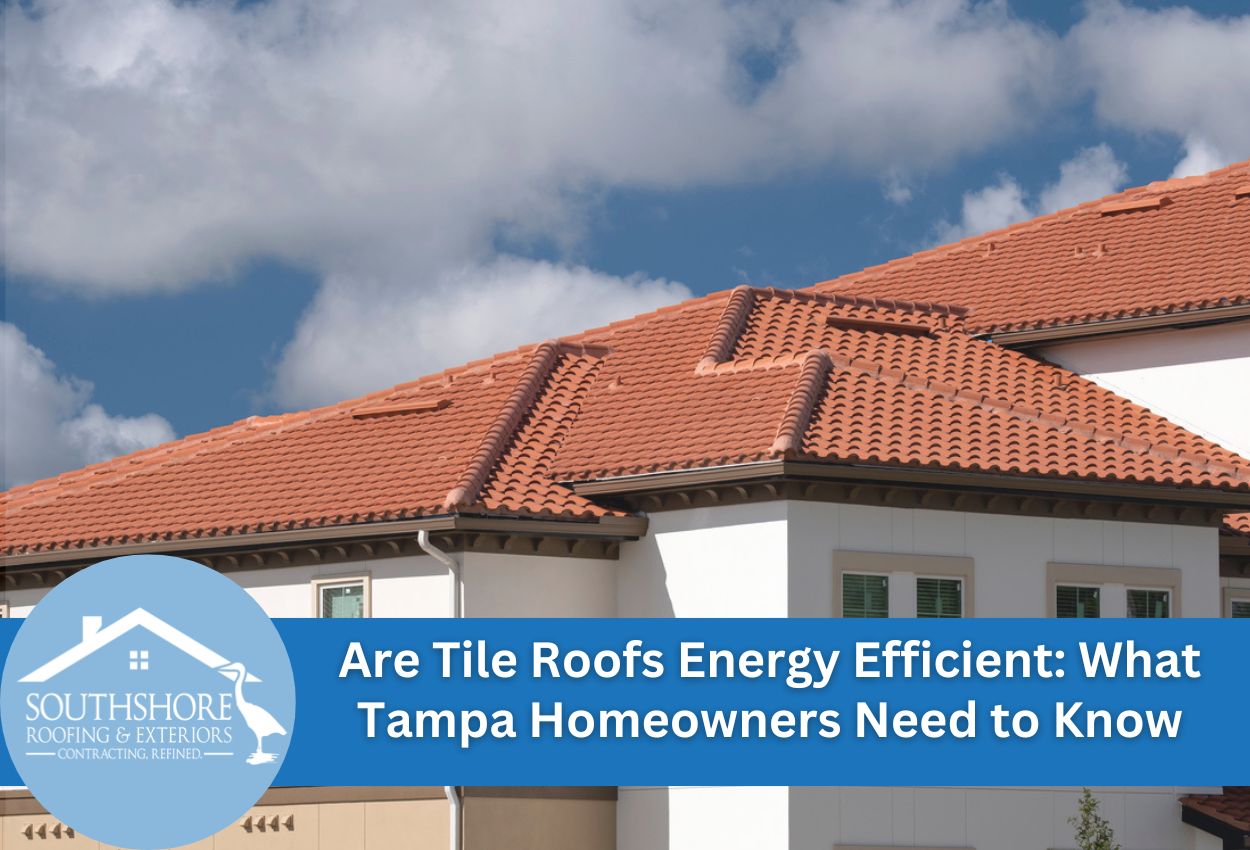
| Clay/Concrete Tiles | 20-30% | 50+ years | Natural insulation and durability |
| Solar Reflective Shingles | 15-25% | 25-30 years | Cost-effective cool roof technology |
By choosing energy-efficient roofing materials, you can create a more comfortable living environment and potentially see a noticeable reduction in your energy bills. If you have a hard time determining which one is right for you, professional roofing companies can help you select the best roofing option that suits both your home’s style and your energy-efficient goals.
Also read: How Much Is A New Roof In Florida?
Insulation: The Key to a High-Performance Roof
A new roof offers the chance to include the right type, and amount, of insulation in your attic in order to create a comfortable indoor temperature and reduce energy costs.
Adequate roof insulation acts as a barrier, preventing heat transfer between your living space and the outside environment. During hot Florida summers, it keeps the heat out, but when it’s wintertime, it can help keep warmth inside. This thermal regulation significantly reduces the workload on your HVAC system, leading to lower energy consumption and reduced utility bills. It is important to understand R-value, a measure of insulation’s ability to resist heat flow—higher numbers indicate better thermal performance.
Innovative insulation has revolutionized the way roofing systems can be made energy efficient. Radiant barriers, for example, reflect heat away from your home, while spray foam insulation provides excellent coverage and sealing properties. These advanced methods, combined with proper attic ventilation, create a comprehensive system that optimizes your roof’s performance. Properly insulating the whole building envelope can result in 3-6% annual energy savings.
Ventilation Matters: Keeping Your Attic Cool and Dry
While not typically the first thought behind why a new roof would help with energy efficiency, attic ventilation is essential. Florida’s unique climate demands effective ventilation methods, and a well-ventilated attic helps regulate temperature throughout your home, reducing the need for your HVAC system to work as hard, which could potentially lower your energy bills.
Roof ventilation systems work by creating a continuous flow of air that helps push out the hot, humid air within the roof during summer, and prevents moisture buildup in winter. This movement is essential for maintaining a consistent temperature in your attic space, which in turn, affects the temperature of your living space. Modern ventilation solutions, such as ridge vents, soffit vents, and power attic ventilators, offer improved performance over traditional methods.
By pairing intake and exhaust vents, you’ll find the airflow more balanced, helping your roof regulate temperature and moisture levels more effectively.
Sealing the Deal: Preventing Heat Loss With A New Roof
Lack of effective sealing on an old roof is detrimental to the energy efficiency of your home. Older roofs often have common areas where heat escapes, causing HVAC systems to work harder.
Common problem areas include gaps in the roof deck, poorly sealed gaps around vents and chimneys, and inadequate insulation in the attic space. These issues can lead to significant heat transfer, forcing your HVAC system to work harder in order to maintain desired temperatures. A new roof addresses these problems by incorporating modern materials and installation techniques that effectively seal your home’s envelope.
By installing a new roof, you can drastically improve your home’s energy efficiency. A new roofing system often features tighter seals around penetrations. This enhancement works to create a more effective barrier against heat transfer, helping to maintain a consistent indoor temperature year-round. As a result, homeowners can expect to see a noticeable reduction in their heating and cooling costs, making a new roof a smart investment in both comfort and energy savings.
The Cool Roof Revolution: Reflecting Heat for Better Comfort
In the sunny climate of Tampa, FL, cool roof technology has emerged as a game-changer for homeowners looking to install a new roofing system with the purpose of enhancing energy efficiency.
Cool roofs work by using highly reflective materials or special coatings that redirect solar radiation away from your home. This simple yet effective technology has the potential to reduce a roof’s surface temperature, which translates to a cooler interior and less strain on your air conditioning system.
The impact of cool roofs on air conditioning costs in Tampa can be significant. According to the U.S. Department of Energy (2025), cool roofs can reduce peak cooling demand by 10-15% and lower roof surface temperatures by 50-60°F. This reduction in energy consumption not only helps lower utility bills, it also contributes to a more sustainable environment by reducing the urban heat island effect. Local roofing contractors can help you explore cool roof options that best suit your home’s needs and budget, ensuring you reap the full benefits of this energy-efficient roofing solution.
Understanding the Solar Reflectivity Index (SRI)
The Solar Reflectivity Index (SRI) measures a material’s ability to reject solar heat, providing homeowners with a specific metric to evaluate roofing materials beyond general reflectivity claims. Higher SRI ratings indicate better solar heat reflection, helping you make more informed decisions about which cool roof technology will deliver the best performance for your home.
Long-Term Savings: How a New Roof Affects Your HVAC Costs
Investing in a new roof can lead to significant long-term savings, particularly when it comes to your HVAC costs. As a roofing contractor in Tampa, FL, we’ve seen how a well-designed and properly installed roof can drastically improve a home’s energy efficiency.
Calculating potential energy savings with a roof upgrade involves considering several factors. A new roof with energy-efficient materials, proper insulation, and improved ventilation can reduce your HVAC system’s workload by up to 30%. This reduction translates to lower energy bills and increased comfort in your home. For example, a homeowner in Tampa might see their cooling costs decrease by 15 to 20% after installing a new, energy-efficient roof. This can amount to $4,500-$5,000 in energy savings over a 30-year period.
Beyond heating and cooling benefits, a new roof offers additional advantages. It can increase your home’s value. Research indicates an energy-efficient roof can drive a 1-6% increase in property value. A new roof also enhances curb appeal and provides better protection against Florida’s harsh weather. Along the same lines, modern roofing materials often come with extended warranties, giving you peace of mind and potentially saving you money on future repairs. By choosing to upgrade your roof, you’re not just improving your home’s energy efficiency, you’re making a smart investment in your property’s long-term value and comfort. Don’t forget to check for available tax credits for energy-efficient roofing systems, which can significantly offset your initial investment.
Making the Decision: Repair vs.
When deciding between repair and replacement, consider the roof’s age, current condition, and energy performance. While repairs fix immediate leaks, a full roof replacement allows for energy-efficient upgrades.
| Factor | Consider Repairs | Consider Full Replacement |
|---|---|---|
| Roof Age | Less than 15 years | 15+ years or near end of lifespan |
| Current Condition | Minor, localized damage | Widespread wear, multiple leaks, or structural issues |
| Energy Performance | Already has energy-efficient materials | Outdated materials with poor thermal performance |
| Cost Consideration | Repairs cost less than 30% of replacement | Frequent repairs needed; replacement offers better ROI |
| Long-Term Goals | Short-term fix for immediate issues | Maximize energy savings, home value, and longevity |
Discover How SouthShore Roofing & Exteriors Can Enhance Your Home’s Efficiency
If you’re looking to significantly reduce your heating and cooling costs, consider the long-term benefits of installing a new roof. SouthShore Roofing & Exteriors specializes in energy-efficient roofing solutions tailored for Florida’s climate. Our advanced roofing materials and installation techniques ensure that your home remains cool during the summer and warm in the winter, all while reducing your energy expenditure.
Upgrading your roof not only helps maintain comfortable indoor temperatures, it also contributes to overall energy savings. Don’t let an outdated roof cost you money. Call us today at (813) 400-3329 to learn more about your options and how we can help transform your home into a model of efficiency.
What is the best time of year to install an energy-efficient roof in Florida?
While energy-efficient roofs can be installed year-round in Florida, the ideal window is during the dry season from late fall through early spring. This timing minimizes weather-related delays and allows proper curing of sealants and adhesives, ensuring optimal performance of your new roofing system.
How does proper attic ventilation extend the lifespan of my roofing materials?
Effective attic ventilation prevents excessive heat and moisture buildup that can cause premature deterioration of roofing materials. By maintaining cooler attic temperatures and reducing humidity, ventilation systems help prevent issues like shingle warping, wood rot, and mold growth, potentially adding years to your roof’s lifespan.
Can I add cool roof coatings to my existing roof instead of replacing it?
Yes, cool roof coatings can be applied to certain existing roofs as a less invasive alternative to full replacement. However, this option works best on structurally sound roofs with flat or low-slope designs. A professional inspection is essential to determine if your roof is a suitable candidate for coating application.
What maintenance does an energy-efficient roof require to maintain its performance?
Energy-efficient roofs require regular inspections twice yearly, cleaning of debris and algae, ensuring ventilation systems remain unobstructed, and checking that reflective coatings haven’t degraded. Prompt repairs of minor damage prevent efficiency losses and maintain the roof’s ability to regulate temperature effectively throughout its lifespan.
How do energy-efficient roofs perform during Florida’s hurricane season?
Modern energy-efficient roofing materials like metal panels and impact-resistant tiles often exceed standard wind resistance ratings, making them excellent choices for hurricane-prone areas. Many energy-efficient options are specifically engineered to meet Florida’s stringent building codes while providing superior thermal performance and storm protection.