 Instant Quote
Key Takeaways:
- Hidden Damage: Budget for underlying roof deck or structural repairs. These issues, often found post-tear-off, significantly affect your roof estimate.
- Material Choice: For the budget, choose asphalt shingles. For durability and appearance, upgrade to architectural shingles offering 30 to 50 year warranties.
- Complexity Adds Cost: Steep pitches, multiple old shingle layers, dormers, and limited access all significantly increase labor, equipment, and disposal costs.
- Ensure Quality: Hire licensed, insured contractors. Prioritize those offering 10+ year labor warranties for long-term protection and accountability.
Getting an accurate roofing estimate requires contractors to evaluate numerous variables unique to each property. Roof replacement cost factors extend far beyond simple square footage measurements. The complexity of a home’s roof design, existing material conditions, structural considerations, and accessibility all play significant roles in determining the final quote homeowners receive.
Roofing estimate variables include the pitch and slope of the roof, the number of gaps like chimneys and skylights, the layers of old materials that need removal, and local building code requirements. What determines roof price also involves material selection, warranty options, and the current condition of underlying roof decking and support structures. Contractors conducting thorough roof inspection considerations examine ventilation systems, drainage patterns, and potential hidden damage that might not be visible from ground level.
Understanding factors influencing roofing quotes helps property owners prepare realistic budgets and recognize the difference between assessments and surface-level estimates. Contractors need complete access to attic spaces, accurate measurements, and details about any previous repairs to provide reliable pricing information.
Size and Complexity of Your Roof Structure
The total square footage of a roof directly determines the material quantities and labor hours contractors need to complete the installation. Professional roofers measure surface area using specialized calculations that account for pitch and slope, not just the footprint of the home. A steeper roof requires more materials and safety equipment, which affects the overall estimate. Contractors typically measure in squares, with one square equaling 100 square feet of roofing surfaces.
Architectural features significantly impact roofing estimate variables beyond basic measurements. Dormers, valleys, peaks, chimneys, and skylights create additional complexity that increases installation time and material waste. Each gap requires custom flashing and careful waterproofing to prevent leaks. Unusual angles and multiple roof planes require precise cutting and fitting, which adds labor hours to the project. These factors influencing roofing quotes explain why two homes with identical square footage can receive vastly different estimates. Properties with simple gable roofs cost less than homes with intricate designs featuring multiple levels and architectural elements that require specialized techniques and experienced craftsmanship to install properly.
Material Selection and Quality Considerations
The roofing material chosen represents one of the most significant roof replacement cost factors property owners encounter. Asphalt shingles offer an economical entry point, while metal roofing, tile, and slate command higher price points due to their extended lifespan and durability. Each material type brings unique installation requirements that affect labor costs. Metal panels require specialized fastening systems, while tile demands additional structural support due to weight considerations. These roofing estimate variables help explain price differences between material categories.
Quality grades within each material type create another layer of factors influencing roofing quotes. Architectural shingles provide enhanced dimensional appearance and longer warranties compared to basic 3-tab options. Premium metal roofing systems feature thicker gauges and superior coatings that resist fading and corrosion better than standard versions. What determines roof price often connects to manufacturer warranties, with higher-grade materials offering 30 to 50-year protection or 15 to 20-year coverage on economy options. Understanding these distinctions helps homeowners evaluate true value rather than focusing solely on initial investment.
Current Roof Condition and Removal Requirements
Existing roof damage significantly influences what determines roof price during the estimation process. Contractors assess water damage, rot, and structural deterioration that may require additional repairs before new materials can be installed. Homes with multiple layers of old shingles face higher removal costs since building codes typically limit the number of layers allowed. Discovering compromised roof decking or support beams during roof inspection considerations expands the project’s scale beyond simple replacement. These hidden issues represent important roofing estimate variables that only become apparent through thorough evaluation.
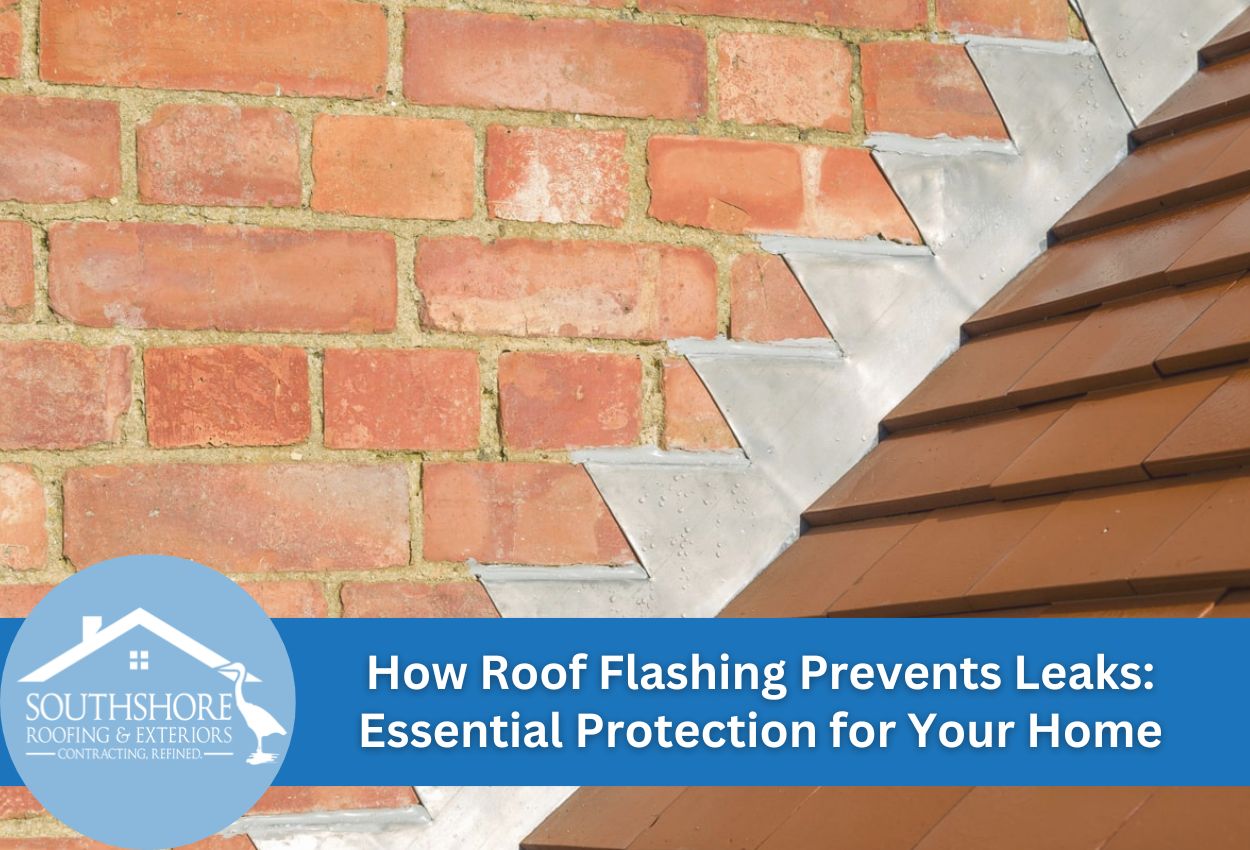
Tear-off complexity directly affects labor expenses and project timelines. Accessibility challenges such as steep slopes, limited workspace, or landscaping obstacles require additional safety measures and equipment. Disposal requirements for old materials add another dimension to roof replacement cost factors, particularly when removing heavy tile or multiple shingle layers. Waste management regulations vary by location, influencing hauling and dumping fees. The condition of flashing around chimneys, vents, and valleys determines whether these components need replacement or can be reused, creating additional factors influencing roofing quotes that contractors must evaluate during initial inspections.
Roof Pitch and Accessibility Challenges
Steeper roof slopes create significant safety concerns that directly impact roofing estimate variables that contractors must consider. Roofs with pitches exceeding 6:12 require specialized fall protection equipment, scaffolding, and additional safety measures that increase labor time and equipment costs. Workers on steep slopes move more slowly and carefully, reducing productivity compared to low-slope installations. What determines roof price in these situations includes harness systems, roof brackets, and extended staging setups that allow safe material handling and installation. These roof replacement cost factors explain why homes with dramatic architectural rooflines receive higher estimates than ranch-style properties with gentle slopes.
Property accessibility presents another important element among factors influencing roofing quotes that contractors evaluate during site visits. Homes surrounded by mature trees, tight side yards, or limited driveway access complicate material delivery and equipment positioning. Multi-story buildings require longer ladders and additional safety equipment compared to single-story structures. Roof inspection considerations include evaluating whether cranes or conveyor systems are necessary to lift materials efficiently. Properties with challenging access points require more labor hours for setup and material staging, directly affecting the timeline and overall estimate homeowners receive.
Ventilation, Roof Decking, and Underlying Components
Proper attic ventilation represents an important element among roof replacement cost factors that many homeowners overlook during the planning stage. Inadequate airflow causes heat and moisture buildup that shortens shingle lifespan and promotes mold growth. Ridge vents, soffit vents, and attic fans work together to regulate temperature and humidity levels. Contractors evaluate existing ventilation during roof inspection considerations to determine whether upgrades are necessary. These roofing estimate variables include installing additional vents or modifying the ventilation system to meet current building standards. Insulation assessment also factors into what determines roof price, as insufficient or damaged insulation requires attention to maximize energy efficiency.
Roof decking and sheathing replacement becomes necessary when water damage, rot, or structural deterioration affects the roof foundation. Contractors typically discover these issues after removing old shingles during the tear-off phase. Compromised plywood or OSB sheathing cannot support new roofing materials and must be replaced to ensure proper installation. These underlying structural repairs represent important factors influencing roofing quotes that may not be visible during initial assessments. Rafter damage, sagging sections, or outdated materials require immediate attention before proceeding with the new roof installation.
Workmanship Warranty and Contractor Credentials
Contractor qualifications represent essential roof replacement cost factors that directly impact the reliability and longevity of any roofing project. Licensed professionals carry proper insurance coverage protecting property owners from liability during installation. General liability and workers’ compensation policies shield homeowners from financial responsibility if accidents occur on-site. Experienced contractors bring specialized knowledge about local building codes, weather considerations, and installation techniques that less qualified installers lack. These credentials influence roofing estimate variables because established companies invest in ongoing training, quality tools, and proven installation methods that justify their pricing structure compared to unlicensed operators offering lower quotes.
Warranty protection separates roofing investments from budget installations when evaluating what determines roof price. Material warranties from manufacturers typically range from 15 to 50 years, depending on product quality. Labor warranties provided by installation contractors vary significantly, with some offering just one year while others guarantee workmanship for 10 years or longer. These warranty differences represent important factors influencing roofing quotes that affect long-term value. Roof inspection considerations should include reviewing both coverage types to understand what protections justify price variations between competing estimates and ensure accountability if installation defects emerge after project completion.
Expert Roofing Solutions at SouthShore Roofing & Exteriors
Understanding the factors affecting your roof estimate is important for planning your roofing project effectively. At SouthShore Roofing & Exteriors, we provide assessments to ensure that every aspect of your roofing needs is met with precision and care. Whether it’s the complexity of your roof structure, the type of materials you select, or the condition of your current roof, each factor is meticulously considered to provide you with an accurate and fair estimate.
Don’t let uncertainty about costs prevent you from maintaining the safety and beauty of your home. Contact SouthShore Roofing & Exteriors today at (813) 400-3329 to discuss your roofing needs and schedule a detailed estimate. Trust us to guide you through the options and provide clarity on all roofing estimate variables, ensuring you make the best decision for your property.