

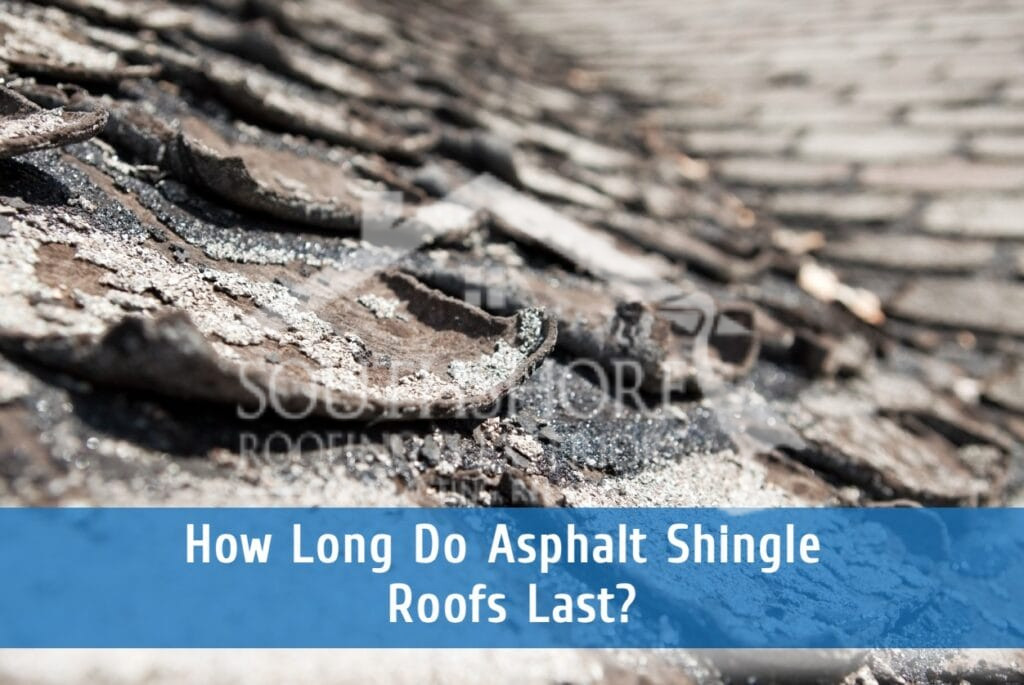

Asphalt shingle roofs are a popular choice for homeowners due to their affordability and low maintenance requirements. However, knowing how long an asphalt shingle roof will last is essential before making a decision to invest in one.
While the average lifespan varies by quality tier, you can generally expect: 15-20 years for 3-tab shingles, 20-30 years for architectural shingles, and 25-40 years for premium shingles. Several factors can affect longevity, including the climate, the quality of the shingles, and the installation process.
| Shingle Type | Expected Lifespan | Characteristics |
|---|---|---|
| 3-Tab Shingles | 15-20 years | Most economical option; single-layer construction |
| Architectural Shingles | 20-30 years | Multi-dimensional appearance; improved durability |
| Premium Shingles | 25-40 years | Highest quality; enhanced weather resistance and aesthetics |
This guide discusses the factors that affect their longevity, and how you can extend the life of your roof.
Key Takeaways: Asphalt Shingle Roof Lifespan
- Lifespan by Type: 3-tab shingles last 15-20 years, architectural shingles 20-30 years, and premium shingles 25-40 years.
- Tampa Climate Impact: Coastal areas like Tampa experience a 20-30% reduction in asphalt shingle roof lifespan due to salt spray and high humidity.
- Color Matters: Lighter shingle colors reflect UV rays more effectively, potentially extending lifespan by 5-10% in hot climates compared to darker shades.
- Maintenance Extends Life: Following a proactive maintenance routine can extend your roof’s lifespan by 5-10 years beyond its expected lifespan.
Factors That Affect Asphalt Shingle Roof Lifespan
The lifespan of an asphalt shingle roof is affected by a number of factors, including:
- The climate
- The quality of the shingles
- The installation process
How Does Weather Affect The Lifespan of Shingles?
Tampa’s climate is characterized by hot, humid summers and mild, dry winters. This subtropical environment presents unique challenges for asphalt shingle roofs. First, the intense heat and UV radiation during the summer months can cause the shingles to deteriorate more rapidly than in cooler climates. The UV rays can break down the asphalt, leading to loss of granules, which are essential for protecting the shingles from further damage. This deterioration can result in a loss of waterproofing and reflective capabilities, making the roof more susceptible to leaks and heat absorption.
Humidity also plays a significant role in the lifespan of asphalt shingles in Tampa. High humidity levels can encourage the growth of algae and mold on the shingles, which not only affects the roof’s appearance but can also lead to deterioration over time. Algae-resistant shingles are available, but they may come at a higher cost. In coastal areas like Tampa, the combination of salt spray and high humidity can result in a 20-30% reduction in roof lifespan compared to national averages.
Moreover, Tampa is prone to severe weather events like hurricanes and heavy thunderstorms. These weather conditions can damage the shingles, such as cracking, lifting, or even complete removal. The strong winds can lift the shingles, allowing water to seep underneath and damage the underlying roof structure.
To mitigate these issues, homeowners in Tampa should choose high-quality asphalt shingles designed to withstand extreme weather conditions. Regular maintenance, such as cleaning and inspecting the roof for damage, is also essential. Applying a reflective coating can help in reducing heat absorption and prolonging the lifespan of the shingles.
How Does The Quality of Materials Affect The Lifespan of Shingles?
The quality of materials used in asphalt shingles has a profound impact on their lifespan, especially when homeowners choose the best asphalt roof shingles for durability and long-term performance. In regions like Tampa, FL, where the climate can be particularly harsh on roofing materials, the difference in quality can significantly dictate the longevity and performance of shingles. Here’s how the quality of materials affects the lifespan of shingles:
Resistance to Weather Elements:
High-quality asphalt shingles are designed to withstand extreme weather conditions, including the intense UV radiation, heat, and humidity typical of Tampa’s climate. Low-quality shingles tend to deteriorate faster under these conditions, leading to issues like warping, cracking, and color fading. Lighter shingle colors can reflect UV rays more effectively, potentially resulting in a 5-10% longer lifespan in hot climates compared to darker shades.
Granule Adhesion:
The granules on the surface of asphalt shingles protect them from UV rays and add to their fire resistance. Premium shingles often have better granule adhesion, ensuring that these granules stay in place longer. In contrast, poor quality shingles lose their granules more quickly, exposing the asphalt to the elements and accelerating deterioration.
Wind-Resistance:
High-quality shingles are typically manufactured with stronger adhesives and are designed to have better wind uplift resistance. This makes them more capable of withstanding storm conditions without sustaining damage.
ASTM International Standards:
Look for shingles rated by ASTM International. Shingles that meet or exceed ASTM standards have been rigorously tested for wind resistance and water permeability, ensuring higher durability.
Water and Algae-Resistance:
Superior quality shingles often come with better water-resistant properties and are treated with algae-resistant compounds. This is especially important in humid climates to prevent water infiltration and algae growth, both of which can shorten the lifespan of the roof.
Material Composition:
The composition of the asphalt mixture in shingles plays a role in their durability. High-quality shingles often have a more refined asphalt with fewer fillers, making them more flexible and less prone to cracking and blistering.
Warranty Coverage:
Manufacturers of premium asphalt shingles usually offer longer and more comprehensive warranties. This not only signifies confidence in the product’s lifespan but also provides homeowners with better protection against material defects.
The quality of materials used in asphalt shingles is a key factor in determining their lifespan, especially in challenging climates like Tampa’s. Investing in higher-quality shingles can result in a more durable, longer-lasting roof, capable of withstanding the rigors of extreme weather, UV exposure, and other environmental factors.
Can How a Roof is Installed Affect Its Lifespan?
The installation process is crucial in determining the lifespan of a shingle roof. Proper installation ensures that the shingles perform as intended and last as long as possible. Here are key ways in which the installation process impacts the lifespan of a shingle roof:
Correct Nailing Technique:
The way shingles are nailed down significantly affects their longevity. Over or under-driving nails can lead to shingles becoming loose or damaged. Shingles should be nailed with the right number of nails, usually four to six per shingle, and placed correctly in the nailing strip. Incorrect nailing can lead to increased vulnerability to wind uplift and premature failure.
Proper Shingle Alignment:
Shingles need to be properly aligned to ensure effective shedding of water. Misaligned shingles can lead to water infiltration, increased wear, and a higher likelihood of blow-offs during high winds.
Adequate Ventilation:
Proper roof and attic ventilation is critical to prevent heat and moisture buildup. Excessive heat can cause shingles to age prematurely, while moisture can lead to rot and mold in the roof structure. Sufficient ventilation helps in maintaining the integrity of the shingles and the overall roof structure.
Installation in Suitable Weather Conditions:
The weather conditions during the installation can affect the shingles’ performance. For instance, extremely hot conditions can make shingles overly pliable and susceptible to damage.
Use of Quality Underlayment:
The underlayment is a layer of material between the roof deck and the shingles that provides an additional barrier against water penetration. Using a high-quality underlayment can enhance the roof’s water-resistance and overall longevity.
Proper Flashing Installation:
Flashing is used to direct water away from critical areas of the roof, such as around chimneys, vents, and where roof surfaces meet. Proper installation and sealing of flashing are essential to prevent water leakage and damage.
Compliance with Manufacturer’s Instructions and Local Building Codes:
Following the manufacturer’s installation guidelines and local building codes is critical. Non-compliance can lead to fines, reduced roof life, and voided warranties.
The installation process has a direct and significant impact on the lifespan of a shingle roof. Having qualified, experienced professionals install the roof ensures that all aspects of the installation are executed correctly, maximizing the roof’s lifespan and stability.
Tips for Extending the Life of Your Asphalt Shingle Roof
There are a number of things you can do to extend the life of your asphalt shingle roof. Following a proactive maintenance routine can extend the lifespan of your roof by 5-10 years. These tips include:
- Inspect your roof at least twice a year, ideally during the spring and fall, looking specifically for rust on flashing and the condition of the sealant.
- Clean your roof using a gentle hose; avoid high-pressure washers, which can strip granules and damage shingles.
- Apply and maintain roof sealants regularly, rather than just once, to improve the shingles’ resistance to water and sun damage over time.
- Choose high-quality asphalt shingles that are designed to last.
- Keep your gutters clear to prevent clogs and debris build up.
- Ensure your attic has sufficient soffit and ridge vents to facilitate the flow of cool air into the attic and warm air out.
- Keep trees trimmed back from the roof to reduce shade and moisture accumulation, which prevents moss and algae growth.
| Inspection Area | What to Look For | Action if Issues Found |
|---|---|---|
| Shingles | Cracks, curling, missing pieces, granule loss | Replace damaged shingles promptly |
| Flashing | Rust, gaps, or deterioration around chimneys and vents | Repair or replace compromised flashing |
| Sealant | Cracking, peeling, or missing sealant | Reapply sealant to maintain water resistance |
| Gutters & Drainage | Clogs, standing water, or improper water flow | Clean gutters and ensure proper drainage |
| Moss & Algae | Green or black streaks, organic growth | Clean with gentle hose; avoid pressure washers |
| Attic Ventilation | Moisture buildup, inadequate airflow | Install or repair soffit and ridge vents |
By following these tips, you can extend the life of your asphalt shingle roof and save money on future repairs or replacements.
Common Problems With Asphalt Shingle Roofs
Asphalt shingle roofs are a popular choice for homeowners because they are affordable, durable, and easy to maintain. However, like any other roofing material, asphalt shingles can develop issues over time. Some of the most common asphalt shingle roof problems include:
- Cracks and lifting
- Blisters
- Delamination
- Moss and algae growth
- Water damage
- Granule loss
Having these issues repaired or replaced as soon as possible is essential. Ignoring problems can lead to further damage, which can eventually lead to the need for a complete roof replacement.
When to Replace Your Asphalt Shingle Roof
There are a few signs that it may be time to replace your asphalt shingle roof. These include:
- The shingles are curling, cracking, or buckling.
- The shingles are missing or have been torn off.
- Leaks or water damage in the attic
- The shingles are no longer providing adequate protection from the elements.
- You spot dips or sagging sections of the roof.
- Your roof is at the end of its estimated life expectancy (15-20 years for asphalt shingles).
If you notice any of these signs, having your roof inspected by a qualified roofing contractor is essential. They will be able to determine if the roof needs to be replaced and recommend the best course of action.
How to Choose the Right Asphalt Shingle Roofing Contractor
When it comes to choosing a roofing contractor, there are a few things you need to keep in mind. First, take time to research local contractors in the area. Ask friends and family for recommendations on the companies they trust. You can use online platforms like Google reviews, Angi, and the Better Business Bureau to check reviews and feedback from previous customers. Make sure the contractors you select to meet with are licensed and insured.
Once you have chosen a few contractors to interview, you should ask them about their experience, their warranty, and their financing options. Ask if the contractor offers a maintenance plan. Establishing a plan with a trusted local contractor ensures regular roof inspections, cleaning, and immediate repair of minor damage. You should also make sure that the contractor is able to meet your specific needs and answers any questions you have. Getting at least three quotes from different contractors before making a decision is essential.
By following these tips, you can increase your chances of choosing the right asphalt shingle roofing contractor for your project.
Asphalt Shingle Roofing Services in Tampa, FL
If you are in need of a new roof, or if you need to repair your existing roof, contact SouthShore Roofing & Exteriors today! We offer quality roofing solutions to home and business owners in Tampa, FL, and the surrounding areas. Whether you need a few repairs, your gutters cleaned, or a new roof for your home, we can help.
We will be happy to provide you with a free estimate and answer any questions you may have. Call us at (813) 400-3329 to schedule your free consultation with our experts!
What are the first signs that my asphalt shingle roof needs attention?
Early warning signs include shingle granules accumulating in gutters, light visible through the roof boards from inside the attic, and dark streaks or discoloration on exterior shingles. Catching these indicators early allows for minor repairs that prevent major structural damage and extend your roof’s functional life.
How does proper attic insulation impact my asphalt shingle roof’s longevity?
Inadequate attic insulation creates temperature imbalances that cause ice dams in winter and excessive heat buildup in summer, both accelerating shingle deterioration. Proper insulation works with ventilation to maintain consistent temperatures, reducing thermal stress on shingles and preventing premature aging of roofing materials.
Can I install new asphalt shingles over my existing roof layer?
While building codes sometimes permit installing new shingles over one existing layer, this approach can trap moisture, add excessive weight, and make it harder to identify underlying deck damage. Most roofing professionals recommend complete tear-offs to ensure proper inspection and maximize the new roof’s lifespan.
What maintenance should I perform after a major storm hits my area?
After severe weather, inspect for lifted or displaced shingles, check flashing around chimneys and vents for separation, and examine the attic for new water stains or leaks. Document any damage with photos immediately for insurance purposes and schedule a professional inspection within days to prevent secondary water damage.
Why do some neighborhoods have roofs that last longer than others?
Microclimate variations significantly affect roof lifespan—homes with southern exposure receive more UV damage, properties near saltwater experience accelerated corrosion, and neighborhoods with dense tree coverage face increased moisture and debris accumulation. Understanding your specific environmental factors helps you choose appropriate shingle grades and maintenance schedules.