

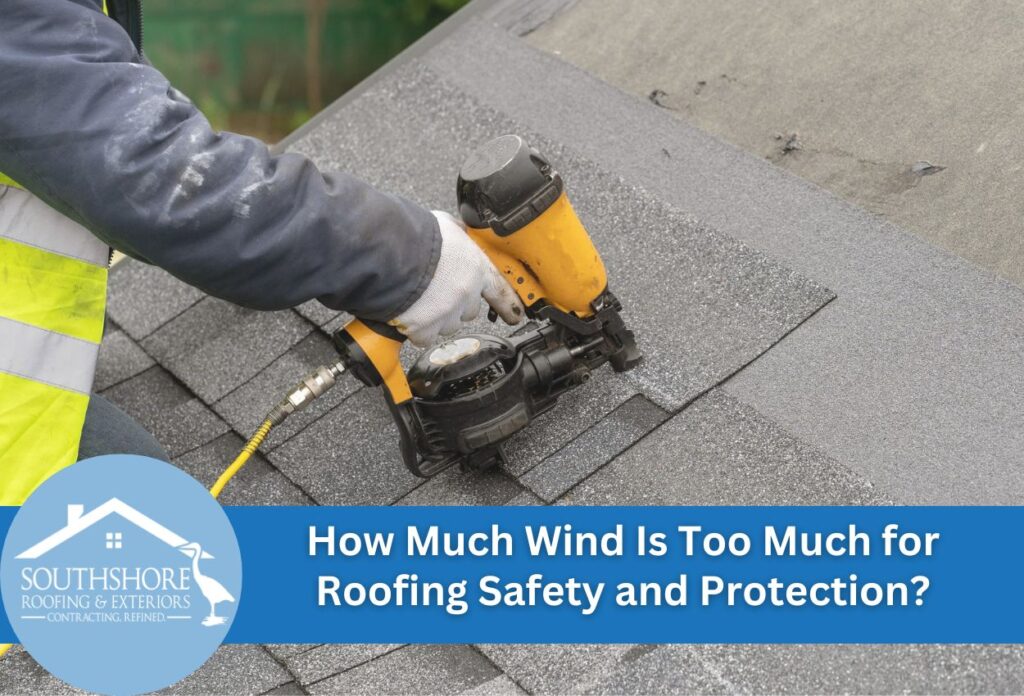

Most residential roofs begin experiencing damage when sustained winds reach 45 to 55 mph, though this threshold varies significantly based on roof age, material quality, and installation standards. Wind damage to roof shingles typically starts with edge lifting and granule loss before progressing to complete shingle displacement at higher speeds.
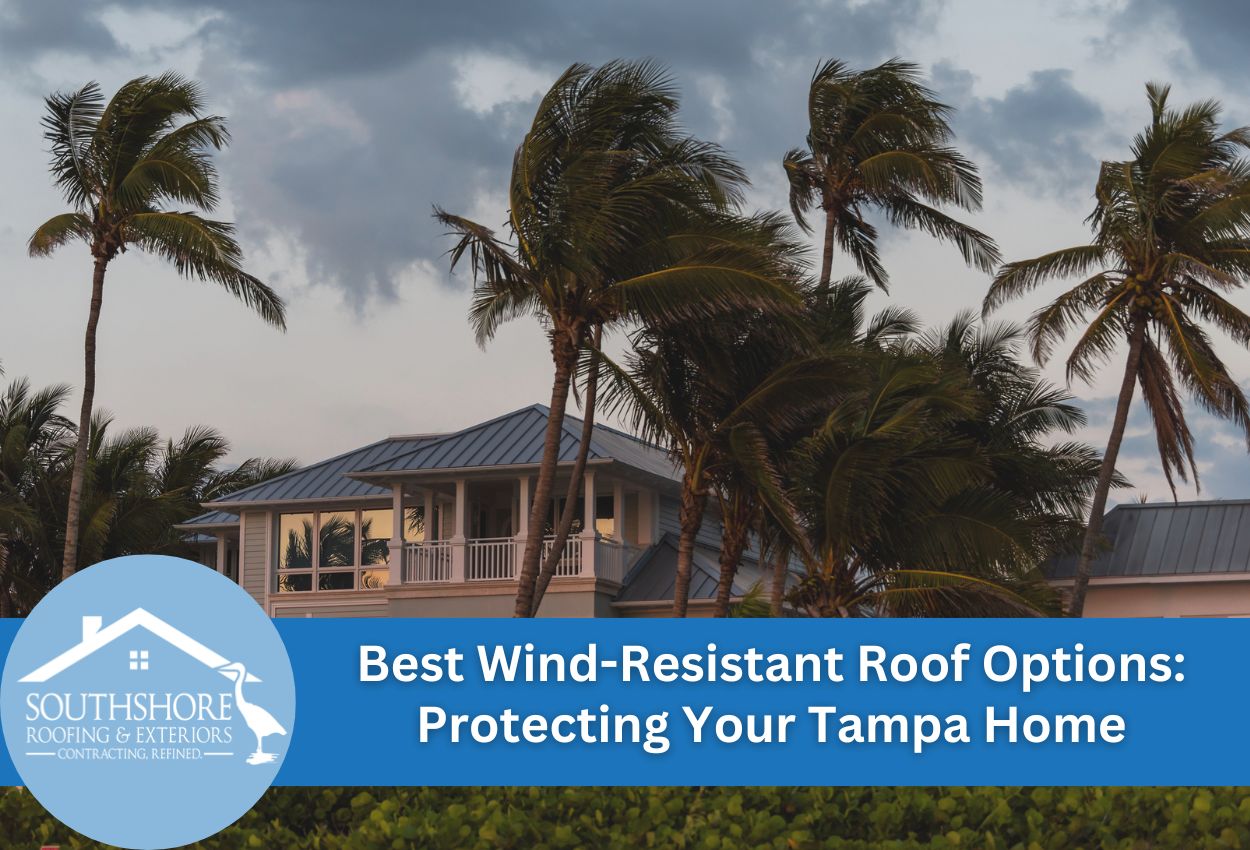
Roof wind resistance ratings provide homeowners with crucial information about their roofing system’s capacity to withstand severe weather conditions. Standard asphalt shingles generally handle winds up to 60 to 70 mph when properly installed, while impact-resistant materials and roofs for hurricane-force winds can withstand speeds exceeding 110 mph.
Wind uplift roof damage occurs when air pressure beneath roofing materials creates a lifting force that overcomes the roof’s structural integrity. Factors such as roof pitch, building height, and surrounding terrain significantly influence how wind interacts with roofing systems. Understanding these wind speed thresholds helps property owners make informed decisions about when to replace a roof after a windstorm and whether current roofing materials provide adequate protection for their specific geographic location and local weather patterns.
Understanding Roof Wind Resistance Ratings and What They Mean for Your Home
Roof wind resistance ratings follow industry-standard testing protocols that measure how roofing materials perform under simulated wind conditions. These ratings, typically expressed in miles per hour, indicate the maximum sustained wind speed a roofing system can withstand before experiencing uplift or damage.
When interpreting manufacturer specifications, consider that laboratory conditions differ from actual storm environments. Wind uplift roof damage often results from factors beyond simple wind speed, including installation quality, roof age, and structural integrity. A roof rated for 90 mph winds may still experience wind damage to roof shingles if improperly installed or compromised by previous bad weather.
Understanding these materials helps homeowners determine the appropriate roofing materials for specific wind exposure zones and assists in evaluating when to replace a roof after a windstorm based on actual performance versus rated capacity.
Different Roofing Materials and Their Wind Speed Limitations
Asphalt shingles represent the most common roofing material but offer varying levels of wind resistance depending on their construction. Standard three-tab shingles typically withstand winds up to 60 mph, while architectural shingles provide enhanced wind damage to roof shingles protection for the roof up to 130 mph when properly installed. The multiple layers and improved adhesive strips in dimensional shingles create better wind uplift roof damage resistance compared to basic options.
Tile roofing systems demonstrate superior durability, with clay and concrete tiles rated for winds exceeding 150 mph, making them excellent roofs for hurricane-force winds. However, individual tiles may become dislodged at lower wind speeds if installation clips or mortar fail. Metal roofing provides exceptional roof wind resistance ratings, often withstanding winds over 140 mph due to interlocking panel systems and mechanical fastening methods.
Installation quality significantly impacts actual wind performance regardless of material specifications. Proper fastener spacing, adequate adhesive application, and correct overlap patterns determine whether roofing materials achieve their rated wind resistance. Poor installation can reduce a roof’s wind capacity by 50% or more, making professional installation critical for the best protection and helping avoid premature decisions about when to replace a roof after a windstorm.
Recognizing the Warning Signs of Wind Damage After a Storm
After severe weather passes, homeowners should inspect their roofs for visible signs of wind damage to roof shingles and other roofing components. Missing or displaced shingles represent the most obvious indicators of wind uplift roof damage, often appearing as bare spots where underlayment becomes exposed to the elements.
Granule loss creates another clear warning sign, appearing as scattered granules in gutters or around the home’s foundation. When roof wind resistance ratings are exceeded, shingles lose their protective granule coating, exposing the underlying asphalt mat to UV damage and weathering. Curled or lifted shingle edges indicate that wind forces have begun compromising the roof’s integrity, even if complete shingle loss has not occurred.
Professional inspection becomes necessary to identify subtle damage that may not be visible from ground level. Damaged flashing around chimneys, vents, and roof gaps often occurs during high winds but requires close examination to detect. Lifted or loosened shingles may appear intact from below but have compromised adhesive seals that reduce future wind resistance. Structural damage to decking or support members may only become apparent through thorough professional assessment, making expert evaluation essential for determining when to replace a roof after a windstorm and ensuring roofs for hurricane-force winds receive proper repair or replacement.
Wind Uplift Forces and How They Threaten Your Roofing System
Wind uplift occurs when air flows over the surface of the roof, creating negative pressure above the roofing materials while positive pressure builds beneath them. This pressure differential generates an upward pulling force that attempts to lift shingles, tiles, or other roofing components away from the roof deck. When these uplift forces exceed the holding capacity of fasteners and adhesives, wind damage to roof shingles begins with edge lifting and progresses to complete material displacement.
The physics behind wind uplift intensifies as wind speeds increase, with uplift forces growing exponentially rather than proportionally. A roof that performs well in 45 mph winds may experience significant wind uplift roof damage when speeds reach 70 mph, as the lifting pressure quadruples rather than simply doubling. This exponential relationship explains why roof wind resistance ratings include specific thresholds and why roofs for hurricane-force winds require specialized materials and installation techniques.
Roof edges, corners, and ridge lines face the greatest vulnerability to uplift damage due to wind flow patterns and pressure concentration. These areas experience higher wind speeds and more turbulent airflow, creating localized zones where uplift forces can exceed the roof’s resistance capacity even when overall wind speeds remain below damaging levels, often determining when to replace a roof after a windstorm.
Protecting Your Roof from High Wind Damage Before the Storm Hits
Preventative maintenance steps can significantly improve your roof’s ability to withstand severe weather conditions before wind damage to roof shingles occurs. Regular inspection and repair of loose or damaged shingles helps maintain the roof’s wind resistance ratings by ensuring proper adhesion and eliminating weak points where wind uplift roof damage typically begins.
Cleaning gutters and removing debris allows proper drainage and reduces the risk of leaks during storms when roofs face hurricane-force winds and maximum stress. Trimming overhanging tree branches eliminates potential projectiles that can compromise roofing materials during high winds. These basic maintenance tasks strengthen the entire roofing system’s ability to resist wind forces and extend the time before homeowners need to consider when to replace a roof after a windstorm.
Professional upgrades offer more substantial protection for older roofing systems that may not meet current wind resistance standards. Installing hurricane clips or straps connects the roof structure directly to the wall framing, creating a continuous path that helps the entire building resist uplift forces. Upgrading to impact-resistant shingles with higher wind ratings provides enhanced protection, while improving attic ventilation reduces internal pressure that contributes to roof failure during severe weather.
When Wind Damage Requires Professional Roof Replacement vs. Repair
Determining whether wind damage to roof shingles requires complete replacement or targeted repairs depends on the extent and distribution of damage throughout the roofing system. Professional roofers assess damage severity by examining multiple factors beyond visible shingle loss. Wind uplift roof damage that affects decking, underlayment, or flashing systems may require replacement even when surface damage appears minimal. Age plays a critical role in repair versus replacement decisions, as older roofing systems may lack current roof wind resistance ratings needed for roofs in hurricane-force winds common in severe weather zones.
Insurance adjusters work alongside roofing contractors to evaluate storm damage using industry standards and manufacturer guidelines. They consider whether repairs will restore the roof’s original wind resistance capacity or if partial repairs leave the system vulnerable to future damage. Documentation of pre-existing conditions, proper installation methods, and material specifications helps determine appropriate restoration approaches and influences decisions about when to replace a roof after a windstorm based on safety requirements and building code compliance.
Protect Your Home with SouthShore Roofing & Exteriors
Understanding the impact of wind on your roofing system is crucial, especially if you live in a high-wind area. At SouthShore Roofing & Exteriors, we specialize in providing robust roofing solutions that withstand the challenges posed by severe weather conditions. Whether you’re considering roof reinforcement to improve wind resistance or need a complete replacement after wind damage, our team is here to help.
Don’t wait for the next storm to test the limits of your roof. Call us today at (813) 400-3329 for a professional assessment and to discuss the best options for protecting your home. Ensure your roof is ready to handle whatever nature throws its way with SouthShore Roofing & Exteriors.