 Instant Quote
Key Points:
- Proactive inspection and maintenance are crucial to prevent roof storm damage repair, especially in storm-prone Florida.
- Conduct thorough pre-season roof inspections, repair damaged shingles, clean gutters, and upgrade with impact-resistant materials.
- Invest in storm-resistant roofing solutions and prepare emergency response plans for enhanced long-term protection.
Florida homeowners face unique challenges when protecting their roofs from severe weather conditions. The state’s intense hurricane seasons, frequent thunderstorms, and powerful wind gusts create ongoing threats to residential roofing systems throughout the year. Understanding how to prevent roof storm damage becomes important for maintaining structural integrity and avoiding extensive repairs.
Proactive roof maintenance and storm damage prevention strategies can significantly reduce vulnerability during severe weather. Regular roof inspections before our state’s storm season rolls through allows homeowners to identify potential weak points and address issues before they become major problems. Protecting a roof from wind damage requires attention to loose shingles, damaged flashing, and compromised gutters that can create entry points for water and debris.
Weatherproofing your roof involves multiple defensive measures, from securing loose materials to ensuring proper drainage systems. These preventive actions create multiple layers of protection that work together to minimize storm-related damage and preserve the roof’s structural stability during challenging weather conditions.
Pre-Season Roof Inspection and Assessment
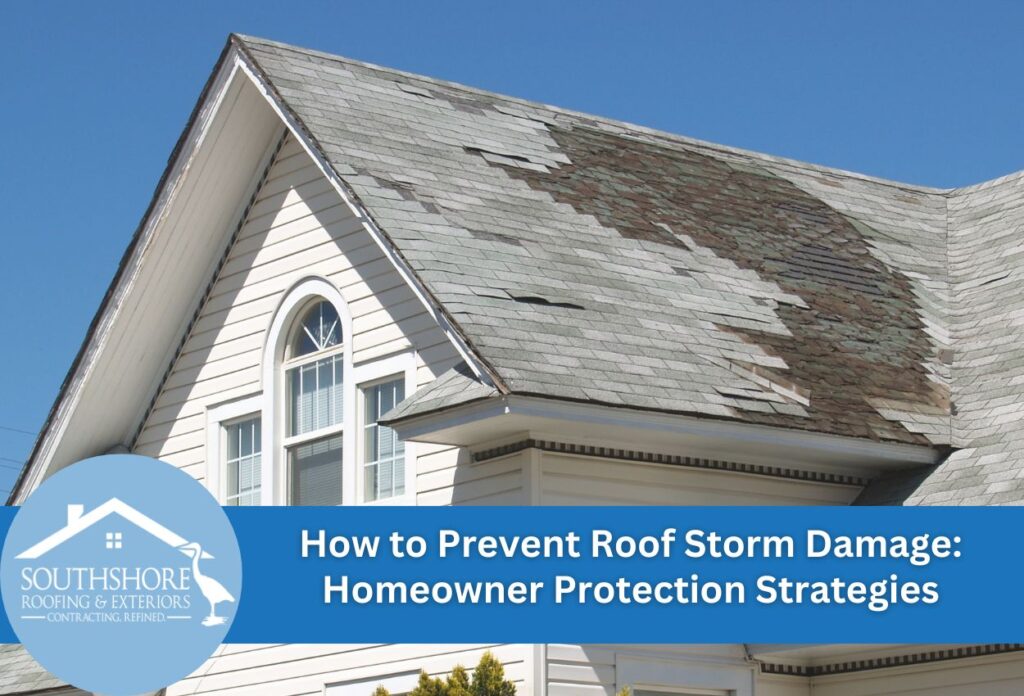
Conducting a thorough roof inspection before the storm season provides the foundation for effective storm damage prevention. This systematic evaluation reveals vulnerable areas where high winds and heavy rainfall typically cause the most destruction. A comprehensive roof inspection should focus on identifying loose or damaged shingles, compromised flashing around chimneys and vents, and deteriorated caulking that creates potential entry points for water.
Creating a detailed assessment checklist ensures no critical areas are overlooked during the evaluation process. Key inspection points include examining gutters for proper attachment and drainage capacity, checking for missing or loose fasteners, and identifying any sagging or structural irregularities. Weatherproofing your roof becomes more effective when these vulnerable spots are documented and prioritized.
Professional roof maintenance tips emphasize examining areas where different roofing materials meet, as these transition zones often develop gaps over time. Protecting a roof from wind damage starts with securing loose materials and addressing minor repairs before they escalate into major structural weaknesses that storms can exploit during severe weather.
Critical Maintenance Tasks That Strengthen Storm Resistance
Regular maintenance forms the backbone of effective storm damage prevention, focusing on addressing vulnerabilities before severe weather arrives. Replacing damaged shingles immediately prevents wind uplift during storms, as loose or cracked materials create entry points where high winds can get in and cause extensive damage. Sealing gaps around flashing, vents, and gaps eliminates weak spots that heavy rain exploits during intense weather.
Cleaning gutters and downspouts ensures proper water drainage, preventing overflow that can damage roofing materials. Trimming overhanging branches eliminates potential projectiles that strong winds can launch into the roof, while removing accumulated debris reduces fire hazards and prevents moisture retention that weakens structural components.
These roof maintenance tips work together to create a comprehensive defense system. Weatherproofing your roof through consistent upkeep addresses minor issues, preventing them from becoming major vulnerabilities during hurricane season. Protecting a roof from wind damage requires attention to these seemingly small details that collectively strengthen the entire roofing system against severe weather challenges.
Advanced Weatherproofing Techniques for Maximum Protection
Installing impact-resistant materials provides superior protection against storm debris and severe weather conditions. These specialized roofing components resist damage from flying objects while maintaining structural integrity during high winds. Impact-resistant shingles and underlayment systems create multiple barriers that prevent leaks and minimize damage from hail and wind-driven debris that commonly occurs during severe storms.
Upgrading flashing systems around vulnerable areas strengthens connection points where water typically gets into the roof. Modern flashing materials and installation techniques create watertight seals around chimneys, vents, and roof gaps. Additionally, applying protective coatings designed for harsh weather conditions adds an extra layer of defense that helps materials withstand prolonged exposure to moisture and temperature fluctuations.
Securing roof-to-wall connections addresses structural vulnerabilities where wind uplift forces create the greatest stress on roofing systems. Reinforcing these attachment points with hurricane clips and additional fasteners prevents the lifting action that destroys roofing materials during severe weather. These weatherproofing techniques work together to create storm resistance that protects the entire structure from wind damage and leaks throughout challenging weather.
Wind Damage Prevention Strategies
Understanding wind patterns around residential structures helps homeowners implement targeted measures that reduce destructive uplift forces. Wind creates negative pressure zones as it flows over roofing surfaces, generating lifting forces that can tear away poorly secured materials during severe weather. These aerodynamic forces concentrate at the edge of the roof, corners, and ridges where materials experience the greatest stress during high winds.
Installing wind-resistant fasteners significantly improves a roof’s ability to withstand severe weather. These specialized fasteners drive deeper into structural components and provide enhanced holding power compared to standard roofing nails. Securing loose components like ridge caps, gutters, and trim pieces prevents these elements from becoming projectiles that can damage neighboring properties or create entry points for wind and rain.
Creating effective wind barriers through strategic landscaping and structural modifications helps deflect damaging air currents away from vulnerable roofing areas. Properly positioned trees and shrubs can redirect wind flow, while installing wind-resistant roofing materials in high-stress zones provides additional protection where conventional materials might fail during extreme weather.
Emergency Preparedness and Quick Response Planning
Establishing emergency response protocols before storm season begins ensures homeowners can act quickly when severe weather warnings are issued. Effective emergency preparedness involves assembling temporary protective supplies and developing relationships with qualified contractors who can respond quickly after storms pass. This proactive approach minimizes damage during severe weather and accelerates recovery efforts when storms cause unexpected damage.
Creating an emergency supply kit specifically for roof protection should include tarps, plywood sheets, roofing cement, and heavy-duty fasteners that can provide temporary weather barriers. These materials enable an immediate response to prevent leaks when professional repairs cannot be completed immediately. Storing these supplies in accessible locations ensures they remain available when severe weather conditions make procurement difficult or impossible.
Building relationships with licensed roofing contractors before emergencies occur prevents delays in securing qualified help when storms damage multiple properties simultaneously. Understanding insurance requirements and documentation procedures streamlines claim processing and ensures proper coverage for storm-related damage. This planning enables a swift response to protect property and prevent secondary damage that occurs when repairs are delayed after severe weather affects roofing systems.
Long-Term Investment in Storm-Resistant Roofing Solutions
Investing in storm-resistant roofing upgrades provides substantial long-term benefits that go far beyond basic damage prevention. These enhanced roofing systems incorporate advanced materials and engineering techniques specifically designed to withstand Florida’s challenging climate conditions.
Evaluating upgrade options requires a look at local weather patterns and building code requirements that could influence what materials are best and what installation techniques to use. Enhanced roofing systems typically feature Class 4 impact-rated materials, improved wind resistance ratings, and superior water infiltration barriers. These improvements work together to create robust defense systems that maintain their structural integrity during prolonged exposure to harsh weather.
The financial benefits of preventive roofing become apparent when compared to potential storm damage repairs. Quality storm-resistant materials often qualify for insurance premium reductions while providing enhanced durability that extends roof lifespan. These roof maintenance tips emphasize that proactive upgrades typically cost significantly less than emergency repairs following severe weather damage, making storm-resistant roofing solutions a sound financial strategy for protecting a roof from wind damage.
Protect Your Home with SouthShore Roofing & Exteriors
Understanding how to prevent roof storm damage is extremely important, especially in a storm-prone area like Florida. At SouthShore Roofing & Exteriors, we specialize in strengthening your roof against nature’s toughest challenges. Don’t wait for the next big storm to find out if your roof is vulnerable. Call us today at (813) 400-3329 for a comprehensive roof inspection before the storm season hits.
Our team is an expert in implementing the most effective storm damage prevention strategies, from replacing damaged shingles and sealing gaps to installing impact-resistant materials that stand up to harsh weather. We ensure that every part of your roofing system is robust and ready to protect your home.