 Instant Quote
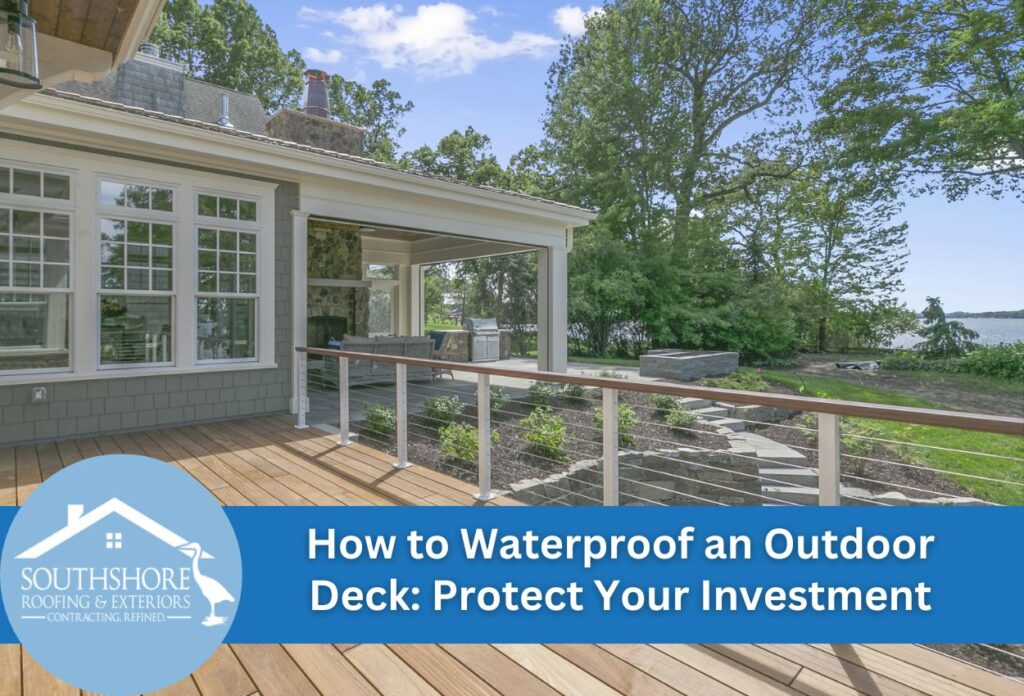
Waterproofing your outdoor deck is essential for preserving its structural integrity and appearance, especially in Florida’s challenging climate. The combination of frequent rain, high humidity, and intense UV exposure can quickly deteriorate any unprotected wooden structures, including decks and patios, leading to extensive repairs or even complete replacement. For Tampa homeowners, deck waterproofing isn’t just maintenance — it’s a necessary investment.
A well-waterproofed deck has benefits beyond just preventing water damage. It defends against wood rot, warping, cracking, and splintering while maintaining the deck’s natural beauty. Effective waterproofing also extends your deck’s lifespan significantly, enhances safety by preventing slippery surfaces, and ultimately increases your property value.
Different deck materials require specific waterproofing approaches. Whether your deck is constructed of pressure-treated pine, cedar, composite materials, or tropical hardwoods, understanding the right waterproofing methods and products is crucial for optimal protection. The best deck sealers and weather-resistant coatings create a protective barrier that repels water while allowing the wood to breathe.
This guide breaks down the entire deck waterproofing process, helping Tampa homeowners protect their outdoor living spaces. With proper waterproofing techniques, your deck can remain beautiful and functional for many years to come.
Assessing Your Deck’s Current Condition
Before selecting the best deck waterproofing method, you need to thoroughly evaluate your deck’s current state. Start by inspecting the entire surface for signs of water damage. Look carefully for soft spots in the wood, which indicate rot beneath the surface. Press firmly with a screwdriver in suspicious areas — if the tool easily penetrates the wood, decay has likely begun.
Check for splitting or cracking boards, especially near fasteners. Examine all hardware, looking for rusted screws, popped nails, or loose connections that could allow water penetration. Pay special attention to areas where standing water collects, such as around post bases and board junctions. In Tampa’s humid climate, inspect thoroughly for mold, mildew, or algae growth, which appears as dark or greenish discoloration.
Next, determine your deck’s construction materials and approximate age. Pressure-treated pine, common in Florida decks, typically requires different waterproofing products than cedar, redwood, or composite decking. Newer pressure-treated lumber might still contain high moisture content and need time to dry before sealing. Older decks may require more intensive preparation and potentially a different type of deck sealer.
This assessment helps identify if simple waterproofing will suffice or if repairs are needed first. For severely damaged decks, consulting with a professional contractor familiar with Florida’s weather challenges can help determine whether restoration or replacement is the more cost-effective option.
Preparation Steps Before Waterproofing
Preparation is the foundation of successful deck waterproofing. Before applying any sealer or waterproofing product to your outdoor deck, you must thoroughly clean and repair the surface to ensure maximum protection and longevity.
Start with a comprehensive cleaning process. Remove all furniture, plants, and decorations from your deck. Sweep away loose debris and cover nearby plants with plastic sheeting. For effective cleaning, use a deck cleaning solution specifically formulated to remove dirt, mildew, and old finishes. When power washing, maintain a distance of around 6 to 8 inches and use medium pressure of 1,500 PSI or less to prevent damaging wood fibers. Work with the grain in overlapping patterns for best results.
Once clean, inspect for damage requiring repair. Replace any rotted boards completely rather than just treating them. Tighten loose fasteners and countersink any protruding nails or screws. Replace rusted hardware with corrosion-resistant alternatives better suited for Florida’s humidity. Sand rough areas, splinters, and weathered surfaces with medium-grit sandpaper to create a smooth surface that allows for optimal sealer adhesion.
Allow your deck to dry completely before waterproofing, typically 24 to 48 hours, depending on humidity levels. This preparation process, while time-consuming, ensures that your waterproofing treatment will seep into the wood and provide long-lasting protection against water damage.
Choosing the Right Waterproofing Products
Selecting the appropriate waterproofing solution for your deck is crucial, and each product type offers different levels of protection and can improve the aesthetic appeal of your outdoor space.
Transparent sealers provide minimal UV protection while showcasing the wood’s natural grain and color. However, in Florida’s intense sunlight, they typically require reapplication every couple of years. Semi-transparent stains offer better UV resistance while still highlighting wood grain, making them popular for cedar and redwood decks. Solid stains provide superior protection against Tampa’s harsh elements, lasting longer, but conceal the wood’s natural appearance. Deck paints offer the most comprehensive protection with waterproof, thick coatings that completely cover the wood surface and last up to 10 years with proper application.
When selecting quality waterproofing products, look for key ingredients like UV stabilizers to prevent sun damage, essential in Florida’s climate. Products containing mildewcides and algaecides help prevent the growth of mold and fungi common in humid environments. Water-repellent additives with silicone or advanced polymer technology create superior moisture barriers. For pressure-treated pine decks common in Tampa homes, choose products specifically formulated for treated lumber that allow proper moisture exchange while preventing water penetration.
The best deck sealers for our region will specifically mention resistance to tropical conditions or high-humidity environments on their labels. These specialized weather-resistant deck coatings ensure your outdoor space remains protected year-round.
Step-by-Step Waterproofing Application Techniques
Applying waterproofing products correctly is just as important as choosing the right product for your deck. With Florida’s unpredictable weather patterns and high humidity, proper application ensures maximum protection and longevity for your outdoor space. The following techniques will help you achieve professional results when waterproofing your deck.
For brush applications, use a high-quality natural bristle brush for oil-based products or synthetic bristles for water-based sealers. Apply the product along the grain in long, even strokes, working on a few boards at a time. Rollers cover larger areas more quickly — choose a medium-nap roller for smooth surfaces and a thicker nap for rough-textured wood. For extensive decks, consider using a pump sprayer for the initial application, followed by back-brushing to work the sealer into the wood grain and ensure even coverage.
To achieve professional results, always work in manageable sections of 3 to 4 feet wide. Maintain a “wet edge” by not allowing the leading edge to dry before connecting to the next section, which prevents lap marks and uneven appearance. Most decks benefit from two thin coats rather than one heavy application — the first coat sinks in deeply while the second creates a protective surface barrier. Allow proper drying time between coats as specified by the manufacturer, typically 4 to 24 hours depending on humidity levels.
Tampa homeowners should schedule waterproofing projects during dry weather with moderate temperatures for the best results. By following these application techniques, your deck will be well-protected against our region’s challenging weather conditions.
Weather Considerations for Deck Waterproofing in Florida
When you plan your project can impact the effectiveness and longevity of your waterproofing treatment. The optimal application window typically falls between October and April, when humidity levels are lower and rain is less frequent. Ideally, apply waterproofing products when temperatures range between 50 to 85 degrees Fahrenheit with relative humidity below 70% to ensure proper penetration into the wood and curing.
Morning applications work best during summer months, as afternoon thunderstorms are common in Tampa. Check weather forecasts for a minimum 24-hour rain-free period after application, though 48 to 72 hours is preferable for complete curing. Avoid applying products in direct sunlight during peak hours, as excessive heat can cause rapid drying and prevent proper absorption into wood fibers.
During Florida’s rainy season, take extra precautions to protect newly waterproofed decks. Consider temporary tarps or coverings that can be quickly deployed during sudden storms while still allowing air circulation to prevent moisture buildup. For hurricane season preparations, apply waterproofing treatments at least two weeks before the official season begins to ensure complete curing.
If you must waterproof during humid months, choose products specifically formulated for high-humidity applications. These specialized weather-resistant deck coatings typically contain additives that allow for proper curing despite challenging conditions. Professional roofing contractors familiar with Tampa’s climate can provide guidance on product selection and timing to ensure your deck receives optimal protection against our region’s weather patterns.
Maintaining Your Waterproofed Deck for Maximum Durability
A waterproofed deck requires regular maintenance to maintain its protective qualities, especially in Tampa. A consistent maintenance schedule keeps your deck beautiful and functional and protects your investment. For most Florida decks, plan to clean thoroughly every few months, inspecting for signs of wear or damage during each cleaning session.
For routine cleaning, use a mild detergent mixed with water and a soft-bristle brush to remove dirt, pollen, and organic debris. Avoid pressure washers for maintenance cleaning as they can damage the waterproof coating. Pay special attention to areas where leaves and debris collect, as these trap moisture against the deck surface. Apply a maintenance coat or “refresher” when water stops beading on the surface or when the deck begins absorbing water instead of repelling it — typically every 12 to 18 months in Florida’s intense sun and humidity.
If you notice peeling or bubbling in your waterproof coating, this typically indicates moisture trapped beneath the surface, often from improper application or water infiltration through cracks. Address these issues by removing the affected coating, allowing the area to dry completely, and reapplying waterproofing. For premature wear patterns, especially in high-traffic areas, apply a touch-up coat to these zones rather than resealing the entire deck. Fading due to UV exposure is common in Tampa and requires a maintenance coat with added UV inhibitors to restore protection. By taking care of minor issues as soon as you notice them, you’ll extend your deck’s lifespan significantly while avoiding more expensive repairs.
Expert Deck Waterproofing Services in Tampa
Don’t let Florida’s harsh weather conditions compromise the integrity and beauty of your outdoor deck. At SouthShore Roofing & Exteriors, we specialize in transforming decks into durable, weather-resistant surfaces. We offer tailored waterproofing solutions that protect against moisture, UV damage, and wear. Our team uses the latest techniques and highest-quality materials to ensure your deck remains a focal point of your home.
If you’ve noticed signs of wear or water damage, it’s time to act. Contact SouthShore Roofing & Exteriors today at (813) 400-3329 and let our experts restore the safety and aesthetics of your deck with professional waterproofing services.