 Instant Quote
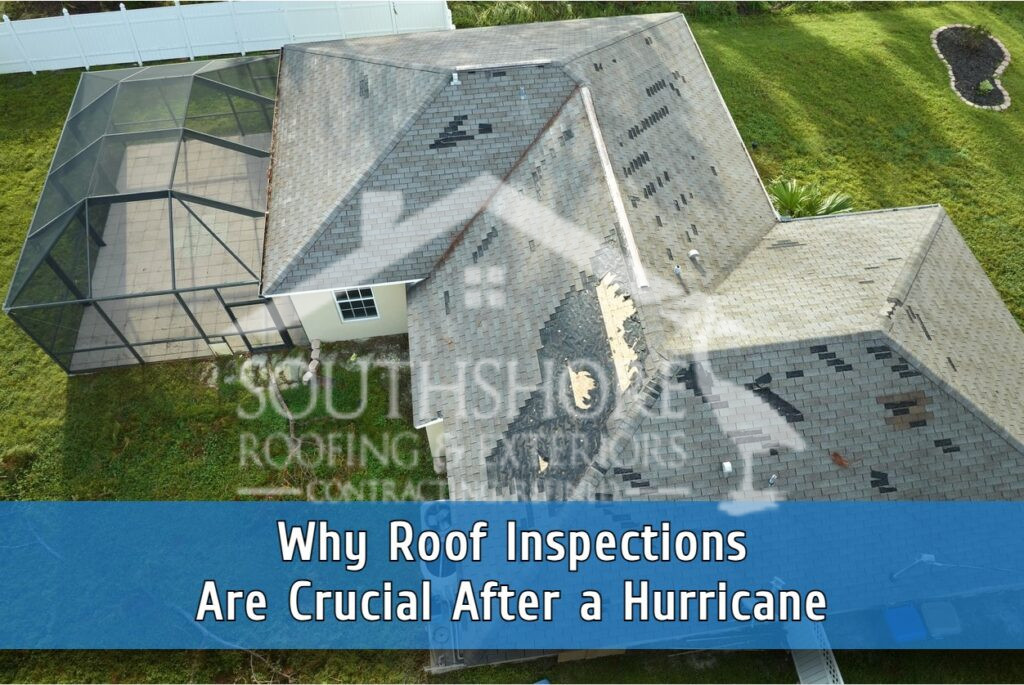
The aftermath of a hurricane can leave a trail of destruction, particularly when it comes to roofing structures. In regions like Tampa, FL, where hurricanes are a frequent threat, ensuring the integrity of your roof post-storm is paramount. Tampa’s challenging climate subjects roofs to 240-250 days of intense UV exposure, 85-90% average humidity, and $650-$750 million in regional storm losses annually, making post-hurricane inspections even more critical. A comprehensive roof inspection after a hurricane is not just a precaution, it’s a necessary measure to safeguard your home against potential secondary damage and expensive repairs. Roofing accounts for 70-90% of insured residential catastrophic losses, highlighting the importance of prompt assessment and repair.
Hurricanes can cause various degrees of damage, from stripping away shingles to exposing vulnerabilities in the roofing system that might not be immediately visible. Luckily, with prompt and thorough hurricane roof damage assessments, you can detect these issues early. Understanding the importance of a roof inspection after a hurricane, helping you pinpoint signs of roof damage, and preparing for post-hurricane roof repair can save homeowners significant money and stress. By adhering to a detailed roof inspection checklist for storm damage, homeowners can ensure the safety and longevity of their living spaces, potentially saving money on the high costs associated with roof repair after a hurricane.
Recognizing the critical nature of these inspections will not only protect your property, but also provide peace of mind in the chaotic aftermath of a storm. The essential steps and considerations for effective roof assessments will equip you with the knowledge to maintain the safety and functionality of your home’s roofing system when it matters most.
Professional vs. DIY Roof Inspections After A Storm
Deciding whether to call in a professional or conduct your own roof inspection after a hurricane can significantly impact the safety and integrity of your home. Assessing the situation carefully and understanding when each option is appropriate is essential.
When To Call A Professional Roofing Contractor For An Inspection
If the hurricane has caused debris such as branches to be blown onto your home, visible structural damage, or if you suspect damage to the interior, contact a professional roofing contractor immediately. Professionals have the tools, expertise, and experience to conduct thorough inspections and address complex damage safely and effectively. For residents in areas like Tampa, FL, where hurricanes can be severe, relying on professionals ensures that any potential issues can be addressed properly, reducing the risks of further damage.
Tips For Homeowners Conducting Their Own Roof Evaluations
For homeowners who decide to inspect their roofs themselves, safety must be the top priority. If you choose to use a ladder, make sure it’s stable and have someone with you to assist. Document any damage you find with photographs and notes, and use this information to decide if professional help is needed for repairs.
While DIY inspections can be helpful for assessing minor forms of damage, they are not a substitute for the thorough checks that professionals can provide, especially when considering complex issues like internal roof damage. Remember, if you’re unsure about the extent of the damage or how to proceed safely, it’s always best to consult with a professional roofing contractor.
Initial Steps To Take For A Roof Inspection Post-Hurricane
If you choose to inspect a roof yourself, start by prioritizing safety and ensure you have the necessary tools for an effective assessment. Wear protective gear, such as gloves, boots, and a hard hat, to protect against possible hazards like broken glass and exposed nails. Additionally, consider using a sturdy ladder that is secured in place, and if possible, have someone assist you by stabilizing it during the inspection.
For a thorough hurricane roof damage assessment, you will need several tools as well. A flashlight can help you spot damage in dimly lit areas, especially in attics or under eaves. A camera or smartphone is essential for documenting the damage, which can be useful for insurance claims and future reference. Having a notepad or digital device for taking notes and creating your roof inspection checklist for storm damage is also helpful. For more detailed inspections, consider using binoculars to view higher, or more precarious parts of your roof safely from the ground.
Remember, if your roof is steep or heavily damaged, it may be safer to hire professionals who specialize in post-hurricane roof repair.
Identifying Signs of Hurricane Roof Damage
Knowing what to look for is the first step in being able to identify the signs of hurricane roof damage. Common indicators of roof damage caused by hurricanes include missing shingles, bent or detached roof flashing, and visible punctures or tears in the roofing material. These signs are often easy to spot and signify the urgent need for repairs to prevent further damage to the structure.
Understanding how wind speed affects damage probability can help homeowners assess their risk level. Research shows roofs face a 20-30% chance of damage at 90 mph winds and a 95-100% chance at 100 mph, making wind speed data crucial for post-storm assessments.
| Wind Speed | Damage Probability | Typical Damage |
|---|---|---|
| Below 90 mph | Low (under 20%) | Minor shingle lifting, debris impact |
| 90 mph | 20-30% | Moderate shingle loss, flashing damage |
| 100 mph | 95-100% | Extensive shingle loss, structural damage |
| Above 100 mph | Near certain | Severe structural damage, potential roof failure |
However, some signs of hurricane-induced damage are less obvious and can easily be overlooked. Look for subtler indicators such as small leaks in the attic, granules from shingles accumulating in downspouts, or slight depressions on the roof’s surface. These issues might not seem critical at first glance, but they can lead to significant problems if they’re left ignored. Using a comprehensive roof inspection checklist for storm damage is essential in order to identify these hidden forms of damage.
Assessing Vulnerability by Roof Age
The age of your roof significantly impacts its vulnerability to hurricane damage. Studies show that 85-95% of asphalt roofs installed before 2015 experience damage compared to only 25-30% of roofs installed after 2015. This dramatic difference reflects improved building codes and materials implemented after recent major hurricanes. If your roof was installed before 2015, pay extra attention during inspections and consider proactive upgrades to improve storm resistance.
A Detailed Roof Inspection Checklist For Hurricane-Related Damage
When assessing your roof for hurricane-related damage, follow a systematic approach to ensure no area is overlooked. Begin by starting from the ground and examining the roof’s surface, looking for missing, cracked, or torn roofing materials. Pay special attention to the edges and ridgelines as well, as these areas are particularly vulnerable during high winds.
Next, check for any loose or exposed nails, as these can be entry points for water, leading to further damage. Inspect the condition of the sealant and flashing around vents, chimneys, and skylights, as these are common areas for leaks as well. Assess the gutter system and ensure it is securely attached to the roof and free of debris, which can cause water to back up and damage the roofing structure.
For homes in Tampa, FL, with different roofing materials such as tile or metal, pay close attention to any chips or dents, as well as displaced tiles or panels, which could compromise the roof’s protective quality. Each type of material may require specific considerations; for instance, tile roofs are prone to cracking, while metal roofs might experience warping or loose fasteners.
By following this detailed roof inspection checklist for storm damage, homeowners can identify critical issues early, potentially saving on the high costs associated with post-hurricane roof repairs. Remember, if you are unsure about the extent of the damage or how to safely perform an inspection, consult with a professional roofing contractor experienced in hurricane roof damage assessment.
Planning Effective Repairs For Hurricane-Damaged Roofs
Once the inspection of the roof is complete and all forms of damage have been assessed, the next decision involves choosing whether to make temporary fixes or long-term solutions. Temporary fixes might include using tarps or sealants to cover leaks and prevent water intake, which is vital to prevent further interior and structural damage. These solutions are generally more cost-effective too and can be quickly implemented, providing homeowners with immediate relief post-hurricane.
However, for long-term durability, more substantial repairs, or even a full roof replacement, might be necessary. Especially if the signs of roof damage indicate significant structural damage. These repairs are more extensive and require a larger investment, but they ensure the roof is more durable against future storms. The cost of a roof repair after a hurricane can also vary significantly, so planning financially for both immediate fixes and the potential for more extensive repairs in the future is important.
By understanding the various options available and planning accordingly, homeowners can effectively manage the repair process for hurricane-damaged roofs, ensuring their homes are safe and secure for the years to come.
Estimating The Cost Of Roof Repair After A Hurricane
Understanding the cost of repairing hurricane damage is crucial for homeowners, especially in areas prone to natural disasters such as Tampa, FL. Several factors can influence these costs, including the extent of the damage, the materials required for repairs, and the availability of local roofing contractors.
Factors such as the size of the roof, the degree of damage, and the type of roofing materials affected can significantly affect the final cost. High winds and flying debris can tear off shingles or damage the underlying decking, leading to different repair requirements and additional expenses.
Understanding specific cost ranges can help homeowners budget more effectively. Current data shows average repair costs of $700-$800, ranging from $250-$350 for minor issues to $1,800-$2,200 for significant damage.
| Damage Level | Typical Issues | Cost Range |
|---|---|---|
| Minor | Few missing shingles, small leaks | $250-$350 |
| Moderate | Multiple shingle sections, flashing repair | $700-$800 |
| Significant | Extensive shingle loss, structural repairs | $1,800-$2,200 |
| Severe | Major structural damage, potential replacement | $5,000+ |
To budget effectively for roof repairs after a hurricane, start by conducting a thorough hurricane roof damage assessment with a qualified professional. This will give you a clear understanding of the necessary repairs you’ll need to make, and the associated costs. Compare quotes from several roofing contractors before signing anything to ensure you are getting the best service at a fair price.
While it might be tempting to opt for the cheapest repairs, prioritizing quality and durability when it comes to roofing materials and service can prevent future damage and save you money in the long run. Consider investing in impact-resistant roofing materials that can withstand future storms and reduce the need for frequent repairs.
Ultimately, early and effective planning, along with a detailed post-hurricane roof inspection, can assist you in managing the costs of roof repairs while ensuring the safety and longevity of your home.
Get Expert Roof Inspection Services in Tampa, FL
Don’t wait until it’s too late; protect your home from potential hurricane roof damage with our team at SouthShore Roofing & Exteriors, where we offer professional inspection services. Our experienced team will assess and address any forms of roof damage to ensure the safety and integrity of your property.
Call SouthShore Roofing & Exteriors today at (813) 400-3329 to schedule your comprehensive roof inspection and safeguard your home from post-hurricane roofing issues.
How soon after a hurricane should I schedule a roof inspection?
You should schedule a professional roof inspection within 24-72 hours after a hurricane passes and it’s safe to do so. Early detection of damage prevents secondary issues like water infiltration, mold growth, and structural deterioration that can worsen rapidly in Tampa’s humid climate.
What documentation should I prepare before a post-hurricane roof inspection?
Gather your homeowner’s insurance policy details, previous roof maintenance records, and the installation date of your current roof. Take photos of visible damage from ground level before the inspector arrives, and prepare a list of any interior issues like leaks or water stains you’ve noticed since the storm.
Can hurricane damage affect my roof even if I don’t see missing shingles?
Absolutely. Hurricane-force winds can cause hidden damage like compromised roof decking, weakened seals, lifted shingles that haven’t blown off yet, and micro-fractures in roofing materials. These invisible issues often lead to leaks and structural problems during subsequent rain events if not identified early through professional inspection.
How does my roof’s warranty coverage work after hurricane damage?
Most manufacturer warranties cover defects in materials but exclude storm damage, which typically falls under your homeowner’s insurance policy. However, workmanship warranties from your installer may cover installation failures exposed by the storm. Review both warranty types and document all damage thoroughly for potential claims.
What happens if I delay my post-hurricane roof inspection?
Delaying inspection can void insurance claims, as many policies require prompt damage reporting. Hidden damage worsens quickly, especially in Florida’s climate, leading to interior water damage, compromised insulation, and potential structural failures that could have been prevented with timely assessment and repair.