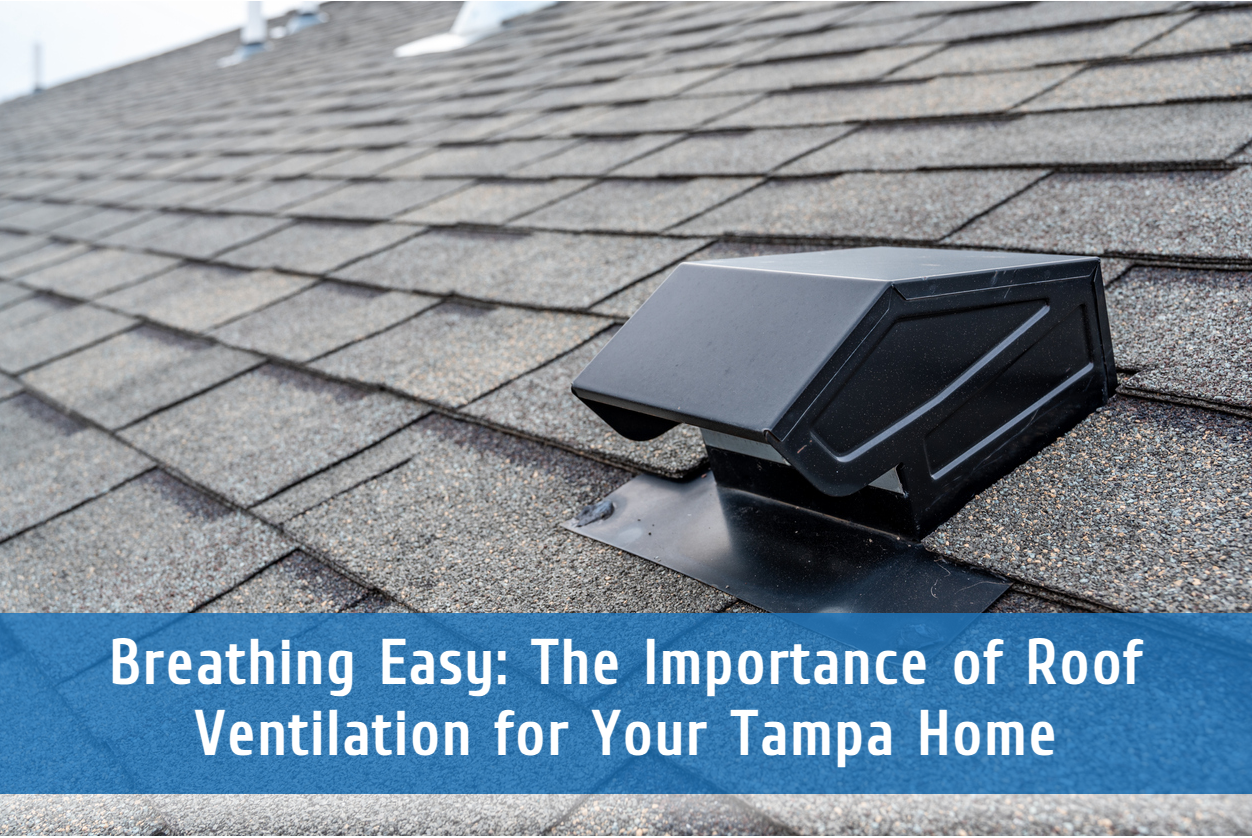



Roof vents play a critical role in protecting homes from Florida’s intense humidity and heat. These components create airflow that prevents moisture buildup, reduces energy costs, and extends roof lifespan. Without regular maintenance, roof ventilation systems can fail, leading to expensive repairs and structural damage.
Tampa’s subtropical climate can make roof vent maintenance difficult. High humidity levels, frequent thunderstorms, and scorching summer temperatures put constant stress on ventilation components. Debris from palm fronds, Spanish moss, and seasonal storms can quickly clog vents, disrupting the essential air circulation that keeps attics dry and temperatures regulated.
A comprehensive roof vent maintenance checklist addresses the specific needs of different vent types commonly found in Tampa homes. Attic vent cleaning procedures vary based on vent design and accessibility. Ridge vents along roof peaks require different care than soffit vents under eaves. Regular roof ventilation system inspections help identify problems before they become major issues.
Understanding proper ridge vent maintenance steps and soffit vent maintenance techniques protects the significant investment homeowners have in their roofing systems. Recognizing roof vent replacement indicators early prevents water damage and maintains optimal home comfort. Consistent maintenance ensures ventilation systems continue operating efficiently through Florida’s demanding weather conditions year-round.
Visual Inspection Techniques for Your Roof Ventilation System
A visual assessment is the basis of an effective roof vent maintenance checklist. Regular exterior exams from ground level allow homeowners to identify potential problems without the safety risks associated with roof access. Using binoculars, inspect ridge vents for visible debris accumulation, damaged screens, or displaced components that could restrict airflow.
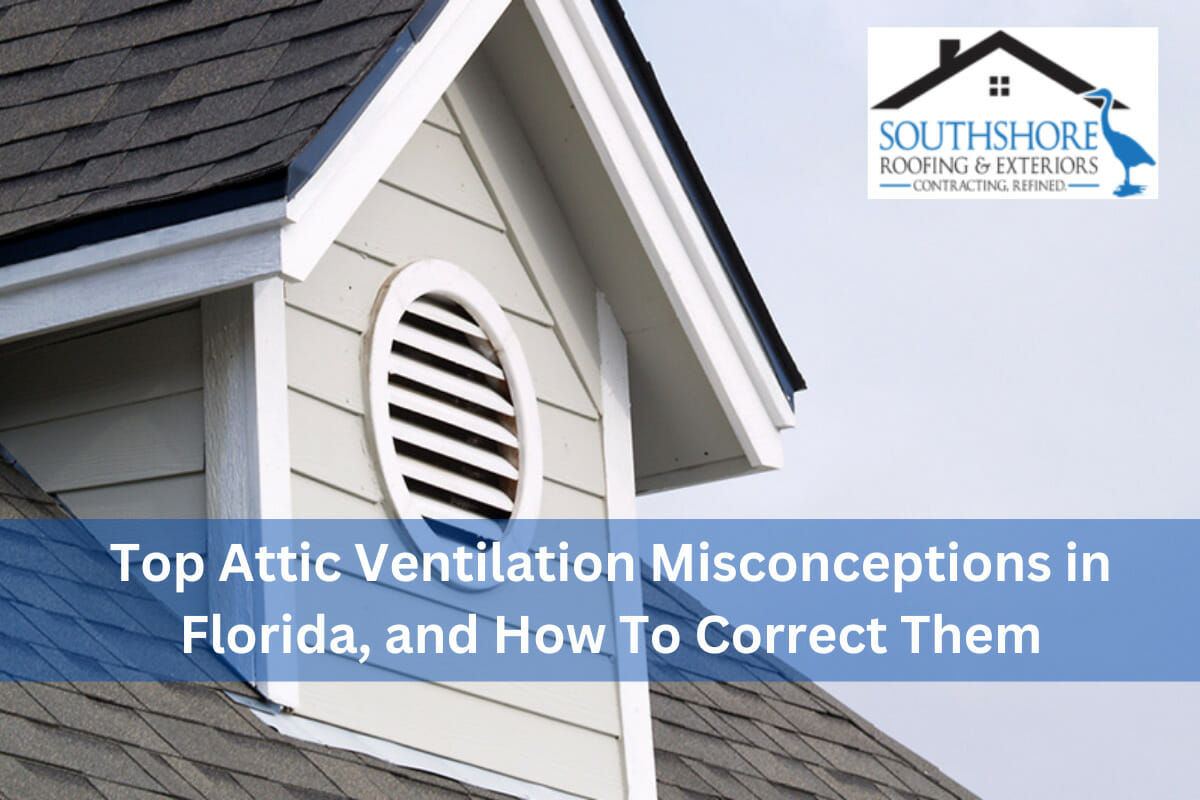
During a roof ventilation system inspection, look for obvious blockages around soffit vents where leaves, bird nests, or construction debris commonly accumulate. Check for rust stains, cracked housings, or bent louvers that indicate weather damage. Examine flashing around vent penetrations for gaps or deterioration that could allow water infiltration during Tampa’s heavy rainfall.
Interior attic inspections complement exterior assessments by revealing airflow patterns and moisture problems not visible from outside. Enter the attic during daylight hours to check for light through damaged vent screens or housings. Feel for air movement near vent openings to verify circulation throughout the space.
Moisture indicators such as water stains, mold growth, or excessive humidity levels signal ventilation system problems requiring immediate attention. These attic vent cleaning procedures should address both the symptoms and underlying causes of poor airflow. Document findings with photos to track changes over time and establish baseline conditions for future vent maintenance.
Cleaning Your Attic Vents Like a Professional
Professional-grade attic vent cleaning procedures begin with safe debris removal that protects both the homeowner and the ventilation components. Before starting any cleaning work, ensure the attic temperature has cooled to prevent heat-related injuries. Remove larger debris such as leaves, twigs, and accumulated dirt by hand, working carefully around delicate vent screens and housing materials.
Different vent materials require specific cleaning approaches to prevent damage during maintenance. Soft-bristled brushes and compressed air can be used to dislodge stubborn debris around metal ridge vents without scratching protective coatings. Plastic soffit vents need gentler treatment using damp cloths and mild cleaning solutions to avoid cracking or warping in Tampa’s heat.
Pest nest removal requires extreme caution as birds, insects, and small animals frequently establish homes in blocked vents. Wear protective equipment, including gloves and masks, when removing nests, and check for active inhabitants before disturbing the area. Clear all nesting materials completely, as partial removal often leads to quick reestablishment.
Cleaning tools for roof vent maintenance include telescoping brushes, shop vacuums with hose attachments, and compressed air canisters. These tools allow thorough cleaning without applying excessive pressure that could damage vent components. After cleaning, test airflow by feeling for air movement and checking that all screens remain intact and secured within their housings.
Ridge Vent Maintenance and Care Procedures
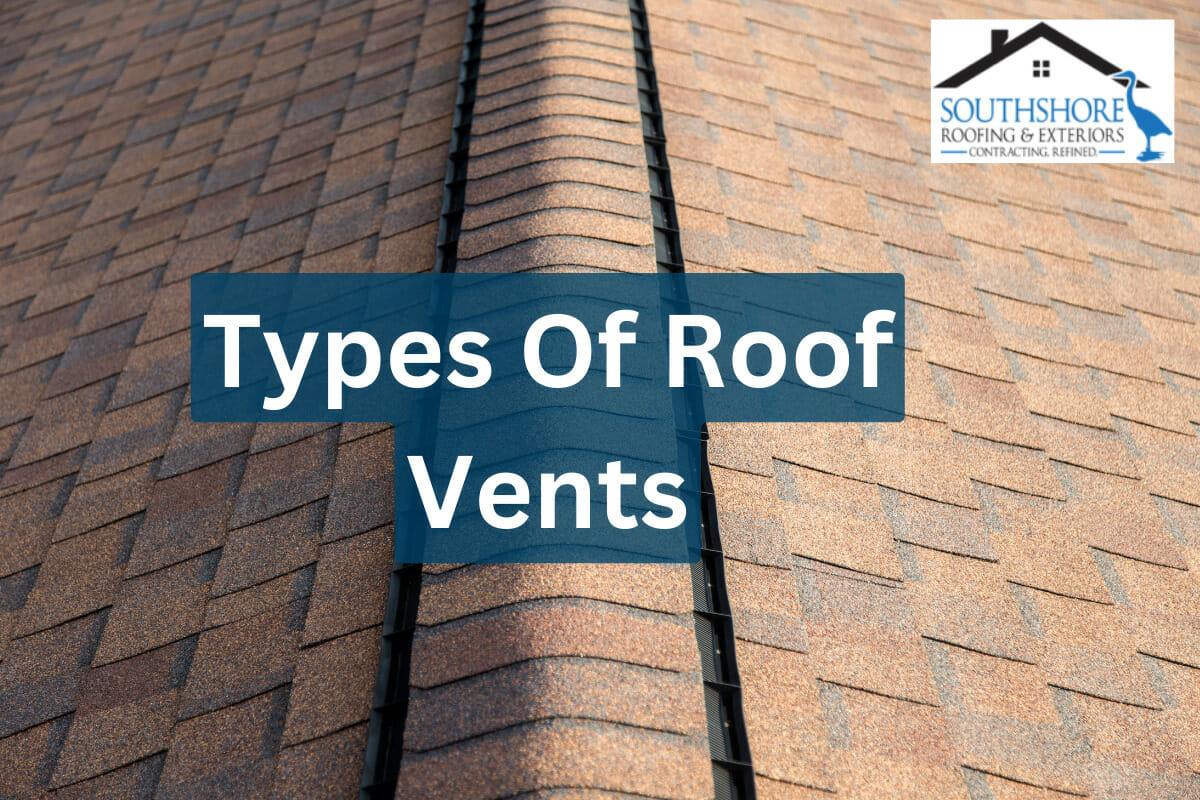
Ridge vent maintenance requires extra attention to preserve the vent’s alignment and structural integrity. Storm activity common in Tampa can shift ridge vent sections, creating gaps that allow water infiltration while reducing airflow efficiency. Regular inspections of ridge vent positioning help identify loose fasteners, displaced caps, or sections that have separated from the roof peak.
Checking ridge vent alignment involves examining the continuous line of venting material for uniformity and proper positioning. Look for sections that appear raised, depressed, or offset from the intended installation pattern. These alignment issues often result from high winds during thunderstorms or thermal expansion during extreme temperature changes. Securing loose sections prevents further displacement and maintains the vent’s weatherproof seal.
Ridge vent channels can accumulate organic debris, construction materials, and sediment that can block airflow over time. These accumulated materials create moisture retention points that compromise ventilation effectiveness and potentially lead to water damage. Regular clearing of ridge vent channels removes pine needles, leaves, and dirt that settle in the recessed areas designed for air circulation.
Proper cap placement ensures ridge vents function as designed while maintaining weather protection. Verify that ridge caps sit securely over vent openings without gaps that could admit rain or pests. These ridge vent maintenance steps preserve the balance between ventilation and weather resistance that makes ridge venting systems effective in Florida’s challenging climate.
Complete Soffit Vent Maintenance Guide
Soffit vents require specific maintenance approaches to address the challenges these components face beneath roof overhangs. Paint buildup is one of the most common issues affecting soffit vent performance, particularly in older homes where multiple paint applications have gradually reduced or eliminated airflow openings. Accumulated paint layers can completely seal perforated soffit panels, preventing the intake airflow essential for sufficient attic ventilation.
Removing paint buildup from soffit vents requires careful techniques to restore airflow without damaging the underlying material. Use small wire brushes or dental picks to carefully clear individual perforations, working systematically across the entire vent surface. For extensive paint accumulation, gentle scraping with plastic tools helps remove thick layers while preserving the integrity of aluminum or vinyl soffit materials commonly used in Tampa.
Inspecting for corrosion should focus on metal components where moisture exposure creates rust or oxidation. Check mounting brackets, fasteners, and metal screen materials for deterioration that could compromise structural integrity or allow pest entry. Salt air from nearby coastal areas can accelerate corrosion processes, making regular inspection particularly important for homes throughout the Tampa Bay region.
Securely attached vent screens deter pests while maintaining adequate airflow. Loose or damaged screens allow birds, squirrels, and insects to enter attic spaces, where they can cause significant damage. Verify that all screens remain securely fastened and show no tears, gaps, or separation from mounting points that could compromise their protective function.
Warning Signs That Indicate Roof Vent Replacement is Needed
Recognizing roof vent replacement indicators early prevents damage and maintains proper attic ventilation. Physical deterioration shows as visible cracking in plastic vent housings, particularly after exposure to intense UV radiation and thermal cycling common in Florida. These cracks compromise structural integrity and create entry points for water and pests that can cause extensive attic damage.
Rusted components signal advanced deterioration requiring immediate attention. Metal screens, fasteners, and housing materials develop rust when protective coatings fail or moisture penetration occurs. Once rust establishes itself, the deterioration process accelerates rapidly, leading to complete component failure that disrupts the airflow patterns essential for moisture control.
Failing seals around vent penetrations create serious problems that extend beyond ventilation performance issues. Deteriorated caulking, damaged flashing, or separated gaskets allow water infiltration that can damage roof decking, insulation, and ceiling materials. These seal failures often accompany other problems, making replacement more cost-effective than attempting isolated repairs.
Multiple repair attempts typically indicate underlying problems that make replacement the most practical solution. When attic vent cleaning and maintenance fail to restore proper performance, replacement provides a reliable long-term solution. Calculating repair costs against replacement benefits helps homeowners maintain their roof vents and protect their roof from major damage.
Seasonal Maintenance Schedule and When to Call for Professional Help
Tampa’s weather patterns influence when homeowners complete roof vent maintenance throughout the year. Spring maintenance focuses on addressing winter storm damage and preparing ventilation systems for the intense summer heat ahead. This season provides ideal conditions for a thorough roof ventilation system inspection before temperatures become dangerous for roof work.
Summer maintenance requires early morning scheduling to avoid extreme heat. High temperatures make ridge vent maintenance steps particularly challenging, but addressing problems before hurricane season arrives prevents more serious issues during storms. Focus summer efforts on clearing debris and verifying proper airflow.
Fall preparation is critical as hurricane season peaks and debris accumulation increases from frequent storms. Post-storm inspections identify damage requiring immediate professional attention vs. issues homeowners can address. Winter offers optimal conditions for comprehensive vent maintenance when cooler temperatures make extended roof work manageable.
Professional roofing contractors should handle structural repairs, extensive roof vent replacement projects, and any work requiring specialized equipment or expertise. Safety concerns during steep roof access, electrical work near ventilation fans, and warranty preservation often make professional service the most practical choice. Homeowners can safely manage ground-level cleaning, basic debris removal, and visual inspections. Understanding these limitations ensures proper maintenance while avoiding unnecessary risks that could lead to injury or system damage.
Trust SouthShore Roofing & Exteriors for Expert Roof Vent Maintenance in Tampa
Don’t wait for small vent issues to cause extensive problems! Regular maintenance of your roof vents is crucial for sustaining their performance and extending the lifespan of your roofing system, especially in Tampa’s humid climate. Whether it’s clearing blockages, inspecting for damage, or assessing airflow issues, SouthShore Roofing & Exteriors has the expertise to ensure your home remains safe and efficient. Prevent moisture buildup and enhance indoor comfort by choosing our professional services today.
Ready to schedule your roof vent maintenance visit? Call us at (813) 400-3329 and ensure your home is protected year-round!