 Instant Quote
Should I Insulate My Attic in Florida? A Benefits Guide
Key Points:
- Yes, it’s essential for significant energy savings and improved comfort in Florida’s hot, humid climate.
- Proper insulation reduces cooling costs by 15% to 30%, helps meet Florida building codes, and prevents moisture and mold issues.
- High energy bills, inconsistent room temperatures, or visible insulation damage are key signs your attic needs an upgrade with appropriate materials.
Florida homeowners face a common misconception that attic insulation serves no purpose in the Sunshine State’s year-round heat. This belief couldn’t be further from the truth. The benefits of attic insulation for Florida home residents significantly by creating a barrier against extreme temperatures and humidity that plague homes throughout the state.
The intense summer heat that radiates through uninsulated attics forces air conditioning systems to work overtime, driving up energy costs dramatically. Without adequate insulation, cool air escapes while hot air infiltrates living spaces, creating an endless cycle of inefficient cooling. Florida attic insulation requirements exist precisely because building experts recognize how important this upgrade is for energy savings and comfort.
Signs you need attic insulation include consistently high electric bills, rooms that never seem cool enough, and moisture problems that lead to mold growth. The best insulation for hot climates addresses both temperature control and humidity management, two factors that determine whether Florida homes remain comfortable and energy-efficient year-round.
Understanding Florida’s Building Code Requirements for Attic Insulation
Florida building codes establish specific minimum R-values for attic insulation that vary across the state’s climate zones. The Florida Building Code requires R-30 to R-38 insulation levels for most residential attic spaces, with higher requirements in northern counties where temperatures fluctuate more dramatically. These insulation requirements apply to both new construction and major renovation projects.
Meeting these standards protects property values and ensures smooth home inspections during future sales. Building inspectors specifically check insulation levels during assessments, and non-compliance can delay closing processes or require expensive retrofitting. The best insulation for hot climates not only satisfies code requirements but often exceeds them to maximize attic insulation energy savings.
Local jurisdictions may impose additional requirements beyond state minimums, particularly in coastal areas where humidity and storm resistance factors influence building standards. Property owners who invest in proper attic insulation see immediate benefits that homeowners value most, including reduced utility costs and improved indoor comfort levels that make homes more attractive to potential buyers.
Energy Savings That Put Money Back in Your Pocket
Attic insulation reduces the workload on air conditioning systems by creating a thermal barrier that prevents cool air loss and blocks heat transfer from the roof. When properly installed, the best insulation for hot climates keeps conditioned air inside living spaces while preventing superheated attic air from infiltrating homes. This dual protection allows HVAC systems to maintain comfortable temperatures without constant operation, directly translating to lower monthly utility bills.
The signs that you need attic insulation become apparent when energy bills remain consistently high despite normal usage patterns. Homes with inadequate insulation force air conditioning systems to run continuously, creating excessive wear and higher maintenance costs alongside elevated utility expenses.
Choosing the Right Insulation Materials for Hot Humid Climates
Selecting appropriate insulation materials requires understanding how different products perform in Florida’s tough weather environment. Blown-in cellulose offers excellent coverage and moisture resistance when treated with fire retardants and mold inhibitors. Fiberglass batts provide reliable R-value performance at lower costs but require careful installation to prevent gaps that compromise effectiveness.
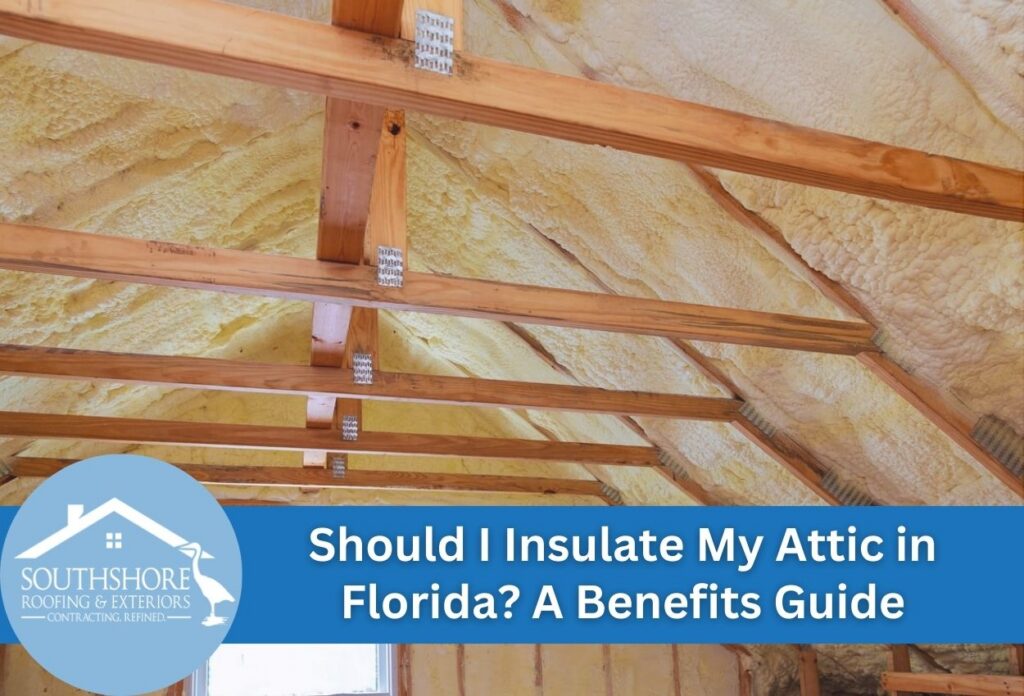
Spray foam insulation creates superior air sealing properties that address both temperature control and humidity. This material expands to fill cracks and crevices that other insulation types cannot reach, making it particularly effective for older homes with irregular joist spacing. Radiant barriers reflect heat away from living spaces and work exceptionally well when combined with traditional insulation materials.
The best insulation for hot climates depends on specific home characteristics, existing attic conditions, and performance goals. Moisture resistance becomes important in Florida’s humid environment, where poor ventilation can lead to mold growth and structural damage. R-value ratings must align with Florida attic insulation requirements, while installation methods determine long-term effectiveness. Professional assessment helps determine which combination of materials delivers the best benefits of attic insulation for Florida homes homeowners need most.
Warning Signs Your Attic Needs Better Insulation
Several telltale indicators reveal when existing attic insulation fails to protect homes adequately. Temperature inconsistencies between rooms represent one of the clearest signs you need attic insulation upgrades, particularly when certain areas remain uncomfortably warm despite constant air conditioning operation. Unusually high electric bills that spike during summer often indicate compromised insulation performance, forcing HVAC systems to compensate for heat and cool air loss.
Physical inspection of attic spaces reveals visible evidence of inadequate or damaged insulation materials. Compressed, wet, or missing insulation creates gaps that allow heat transfer and humidity. Excessive attic temperatures that make the space unbearable during daytime hours indicate insufficient thermal protection between the roof and living areas below.
HVAC system strain becomes apparent when air conditioning units cycle frequently or run continuously without achieving desired temperatures. These warning signs typically get worse over time, making early intervention important for maintaining attic insulation energy savings and preventing expensive system repairs that result from overworked cooling equipment.
Additional Benefits Beyond Energy Savings
Proper attic insulation delivers multiple advantages that extend well beyond reduced utility bills for Florida homeowners. Quality insulation materials create a protective barrier that significantly improves indoor air quality by preventing outdoor pollutants, allergens, and humidity from infiltrating living spaces through gaps and cracks in the attic floor. This filtration effect becomes particularly valuable during pollen season and dust storms that frequently impact the region.
Noise reduction represents another significant benefit as insulation absorbs sound transmission from rain, wind, and external sources that would otherwise get through unprotected roof structures. Dense insulation materials effectively dampen sound waves, creating quieter indoor environments that enhance comfort and sleep quality.
Pest prevention occurs naturally when proper insulation installation seals entry points that insects and rodents commonly use to access homes. The best insulation for hot climates includes materials that resist nesting and create barriers against unwanted wildlife intrusion.
Moisture control protection helps prevent dangerous mold growth that develops when hot, humid air contacts cool surfaces in poorly insulated attic spaces. This thermal barrier eliminates condensation zones where mold spores thrive, protecting both structural integrity and occupant health while maintaining the benefits of attic insulation for Florida home residents who require year-round protection.
Making the Investment Decision and Next Steps
Determining whether to upgrade attic insulation requires a close look at several key factors that influence both immediate benefits and long-term value. Home age plays an important role, as houses built before 1990 often contain inadequate insulation that fails to meet current Florida attic insulation requirements. Older homes typically show the most dramatic attic insulation energy savings after upgrades because existing materials have degraded or were insufficient from the beginning.
Current insulation condition assessment reveals whether partial improvements or complete replacement make financial sense. Homeowners planning to remain in their properties for 5 or more years see the greatest return on investment, as the benefits of attic insulation for Florida home residents experience add up over time through reduced utility costs and improved comfort levels.
Selecting qualified contractors ensures proper installation that maximizes performance and longevity. Licensed professionals understand local building codes, proper ventilation requirements, and installation techniques that prevent common problems like thermal bridging and moisture retention. The best insulation for hot climates requires expert installation to achieve rated R-values and maintain effectiveness throughout Florida’s challenging weather conditions.
Professional installation typically involves attic preparation, air sealing, and systematic material placement that addresses all signs you need attic insulation previously identified. Quality contractors provide warranties and follow-up inspections that protect the investment and ensure the best long-term performance.
Why Choose SouthShore Roofing & Exteriors for Your Attic Insulation in Florida?
Insulating your attic is an importantstep for maintaining comfort in your Florida home. SouthShore Roofing & Exteriors specializes in installing high-quality attic insulation that combats Florida’s intense heat and humidity. By choosing us, you’ll benefit from reduced cooling costs, enhanced indoor comfort, and a solid defense against moisture-related issues. Our expert team ensures that your insulation meets and exceeds Florida’s building code requirements, safeguarding your investment and enhancing your home’s energy efficiency.
Call SouthShore Roofing & Exteriors today at (813) 400-3329 to schedule a consultation and see how we can help you achieve significant energy savings and improve your living environment with the right attic insulation.