



Florida’s intense rainfall and frequent storms make choosing the right gutter system essential for protecting your home from water damage. With Tampa receiving over 46 inches of rain annually, homeowners need reliable gutters that can handle heavy downpours while directing water safely away from foundations and landscaping.
The types of gutters for homes vary significantly in materials, construction methods, and performance capabilities. Knowing the differences helps homeowners make informed decisions that protect their investment while complementing their property’s appearance. Modern gutter systems come in multiple residential gutter materials, each offering distinct advantages for Florida’s challenging climate conditions.
The primary categories include seamless vs. sectional gutters, with seamless options providing fewer leaks and sectional systems offering easier repairs. Gutter shapes and sizes also play crucial roles in managing water, with K-style and half-round profiles dominating the residential market. Each design handles water flow differently and suits various architectural styles.
Different gutter installation options accommodate diverse home structures and budgets. Some systems require professional installation for optimal performance, while others offer more flexibility for property owners seeking specific features. The key lies in matching gutter capabilities with your home’s specific water management needs and local weather patterns.
Popular Gutter Materials and Their Performance in Florida Weather
Selecting appropriate residential gutter materials requires understanding how different options perform under Florida’s demanding weather conditions. Aluminum gutters dominate the market due to their rust resistance and lightweight properties, making them ideal for humid subtropical climates. These systems expand and contract smoothly during temperature fluctuations while maintaining structural integrity against frequent storms.
Vinyl gutters offer cost-effective solutions but face challenges with UV degradation from intense Florida sunshine. Extended sun exposure can cause brittleness and cracking, particularly problematic during hurricane season when gutter systems endure maximum stress. Steel gutters provide exceptional durability but require protective coatings to prevent rust in humid conditions.
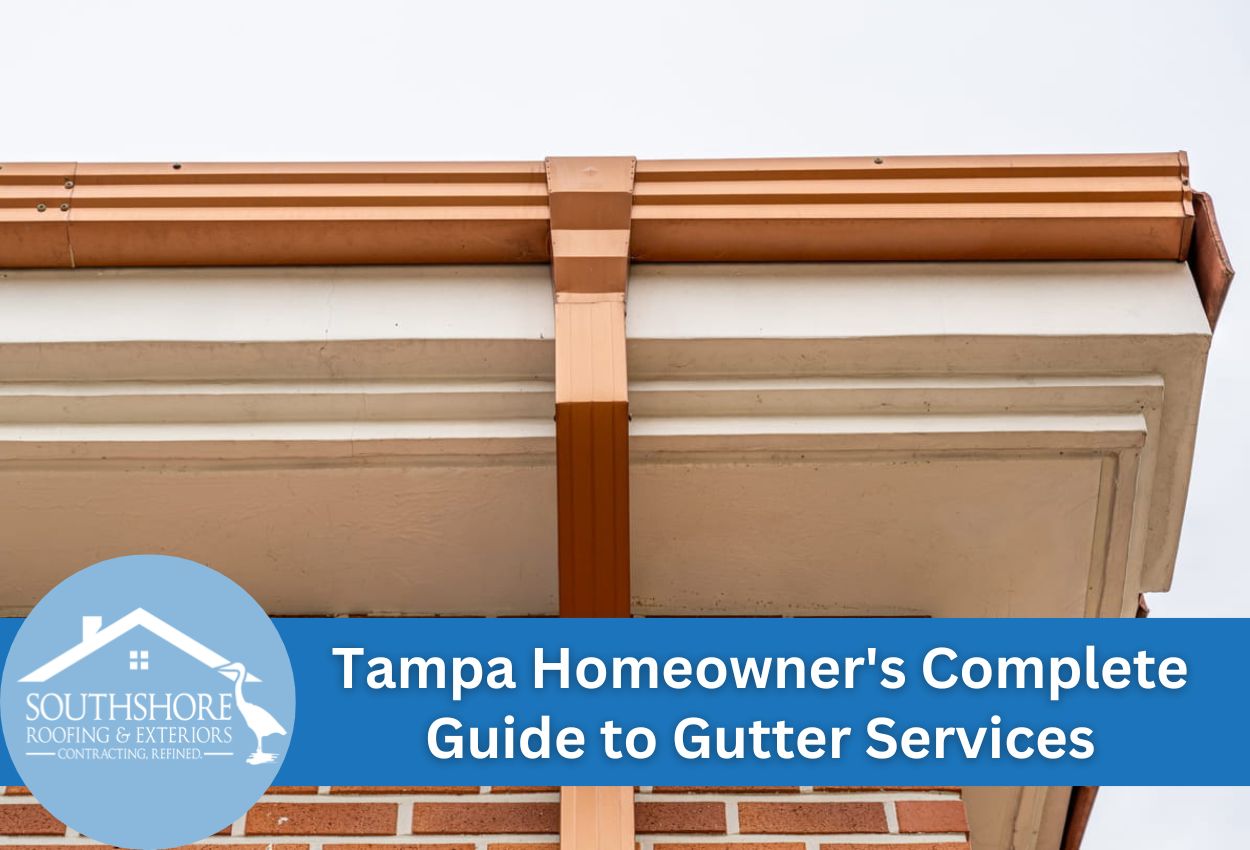
Copper gutters represent premium options that naturally resist corrosion while forming an interesting patina over time. This material excels in coastal environments where salt air accelerates the deterioration of other metals. However, copper expands significantly during temperature changes, requiring specialized installation techniques.
When comparing seamless against sectional gutters across different materials, seamless aluminum consistently performs best in Florida’s climate. The continuous construction eliminates weak joints where expansion and contraction typically cause failures. Professional installation ensures proper slope and secure attachment points that withstand wind exceeding 100 mph during severe weather.
Material selection directly impacts long-term performance, with aluminum and copper showing superior resistance to humidity, UV exposure, and thermal expansion cycles common throughout Florida’s extended summer seasons.
Seamless vs. Sectional Gutter Systems
The construction method of gutter systems significantly impacts their long-term performance and maintenance requirements. Seamless gutters are manufactured on-site using specialized equipment that creates continuous lengths tailored to exact home dimensions. This custom fitting eliminates joints along straight runs, dramatically reducing potential leak points that commonly develop in traditional gutter installations.
The benefits of seamless gutters extend beyond leak prevention. The continuous design provides superior structural integrity during heavy rainfall, as water flows unobstructed without catching on seams or joints. Custom fitting ensures optimal water collection and drainage efficiency, with precise measurements accommodating unique roofline configurations and architectural features.
Sectional gutters consist of pre-manufactured pieces joined together using connectors, brackets, and sealants. These systems make sense for homeowners seeking immediate availability and lower upfront installation costs. Sectional options also simplify repairs, as individual damaged sections can be replaced without affecting the entire system.
The trade-offs between convenience and long-term performance become apparent over time. While sectional gutters offer installation flexibility and easier maintenance access, the multiple joints require regular inspection and resealing. Expansion and contraction cycles stress connection points, potentially causing separations that lead to water damage.
When comparing seamless and sectional gutters, seamless systems typically provide better value through reduced maintenance needs and superior weather resistance. However, sectional gutters remain viable for specific applications where immediate installation or budget constraints take priority over long-term performance considerations.
Gutter Shapes and Sizing for Maximum Water Flow
The profile of your gutter system directly affects both water handling capacity and visual appeal. K-style gutters feature flat backs and decorative fronts that mimic crown molding, making them the most popular choice among types of gutters for homes. Their angular design provides greater water capacity than rounded alternatives while complementing contemporary architectural styles.
Half-round gutters offer classic curved profiles that suit traditional and historic home designs. While these systems provide adequate water flow for moderate rainfall, their reduced capacity compared to K-style options may struggle during Tampa’s intense summer storms. The smooth interior surface of half-round gutters promotes efficient water movement but holds less overall.
Proper sizing depends on calculating your roof’s drainage area and local precipitation patterns. Standard residential gutter materials come in 5-inch and 6-inch widths, with larger sizes handling greater water volumes. Homes with steep roofs or extensive square footage typically require wider gutters to prevent overflow during heavy downpours.
Downspout sizing must match gutter capacity to maintain system efficiency. The general rule requires 1 square inch of downspout opening for every 100 square feet of roof area. Undersized downspouts create bottlenecks that cause water backup and potential overflow, regardless of gutter width.
Matching gutter shapes and sizes to your home’s specific requirements ensures the best performance during Florida’s challenging weather conditions. Professional assessment of roof pitch, drainage area, and local rainfall intensity helps determine the most effective combination for reliable water management throughout the year.
Professional Installation vs. DIY Gutter Projects
Professional gutter installation encompasses far more than simply mounting gutters to your home’s fascia board. Experienced contractors understand the critical importance of proper slope, which typically requires a ¼ drop per 10 feet of gutter run. This precise gradient ensures water flows efficiently toward downspouts without creating standing water that leads to mosquito breeding, corrosion, or ice formation during rare cold snaps.
Mounting techniques vary significantly between different types of gutters for homes, with each system requiring specific hardware and attachment methods. Professional installers assess the fascia board condition, roof structure, and weight distribution to determine appropriate bracket spacing and fastener types. Improper mounting causes sagging, separation, or complete system failure during severe weather.
Certain residential gutter materials lend themselves better to homeowner installation than others. Vinyl sectional gutters represent the most DIY-friendly option, requiring basic tools like levels, drills, and hacksaws. These lightweight systems snap together using simple connectors and mounting clips, making them accessible for property owners with moderate construction experience.
Aluminum sectional gutters require additional skills, including metal cutting and proper sealant application at joints. Steel systems demand specialized tools and techniques due to material weight and expansion characteristics. Seamless vs. sectional gutters presents a clear distinction, as seamless installation requires professional equipment for on-site manufacturing and precise measurements that exceed typical homeowner capabilities.
The complexity of gutter installation often exceeds initial expectations, particularly regarding proper integration with existing roof drainage systems and ensuring adequate support for projected snow and debris loads.
Maintenance Requirements for Different Gutter Types
Material selection plays a crucial role in determining both cleaning frequency and the complexity of maintenance tasks homeowners can expect. Aluminum gutters typically require cleaning twice a year, but resist corrosion and maintain structural integrity with minimal intervention. The smooth interior surfaces of aluminum systems allow debris to flush easily during heavy rains, reducing buildup between scheduled cleanings.
Vinyl gutters demand more frequent attention due to their tendency to collect debris in textured surfaces. These systems require careful cleaning techniques to avoid cracking brittle joints, especially after prolonged sun exposure. Steel gutters need regular inspection for rust spots and protective coating touch-ups, while copper systems develop a natural patina that requires no maintenance but benefits from periodic cleaning to maintain optimal water flow.
Seamless systems concentrate cleaning efforts on downspouts and end caps, while sectional gutters require joint inspection and resealing as connections loosen over time. The continuous design of seamless gutters eliminates multiple catch points where leaves and debris typically accumulate.
Tampa’s year-round growing season means oak leaves, pine needles, and palm fronds create constant debris challenges. Spring cleaning removes winter accumulation and pollen buildup, while fall maintenance addresses leaf fall from deciduous trees. Summer inspections focus on storm damage assessment and ensuring downspouts remain clear during peak rainfall months. Regular maintenance schedules adapted to local vegetation patterns help prevent overflow issues during sudden thunderstorms common throughout Florida’s wet season.
The Correct Choice for Your Home and Your Budget
Selecting the appropriate gutter system requires you to be aware of several key factors that affect both performance and long-term satisfaction. The architectural style of your home should guide initial decisions about gutter shapes and sizes, as K-style gutters complement modern designs while half-round profiles suit traditional or historic properties. Material compatibility with your home’s exterior elements, including siding, trim, and roofing materials, ensures visual harmony and structural compatibility.
Climate considerations play an essential role in material selection among the various types of gutters for homes. Florida’s humid subtropical environment favors aluminum and copper systems over steel or vinyl options, which may deteriorate more rapidly under constant moisture exposure and intense UV radiation. Long-term maintenance preferences should influence your decision.
When getting estimates for gutter installation options, ask contractors about their experience with specific residential gutter materials and request references from recent local projects. Verify licensing, insurance coverage, and manufacturer warranties that protect your investment. Quality contractors provide detailed written estimates that specify materials, labor costs, and project timelines without requesting payment upfront.
Get Quality Gutters for Your Tampa Home from SouthShore Roofing & Exteriors
Choosing the right types of gutters for your home is not just a matter of appearance; it’s important for safeguarding your property against the harsh weather conditions prevalent in Tampa. At SouthShore Roofing & Exteriors, we understand the unique challenges posed by Florida’s climate and offer a variety of gutter materials and styles tailored to enhance the protection and appearance of your home.
Whether you’re considering the durability of aluminum, the affordability of vinyl, the strength of steel, or the elegance of copper gutters, our team is here to guide you through each option’s benefits and suitability for your specific needs. We specialize in both seamless and sectional gutter systems, ensuring you get a perfect fit that minimizes leaks and maximizes water flow.
To discuss your gutter installation or maintenance needs and to ensure your home remains protected throughout the year, call SouthShore Roofing & Exteriors today at (813) 400-3329. Our experts are ready to provide you with the best solutions tailored to your Tampa home’s requirements and your budget.