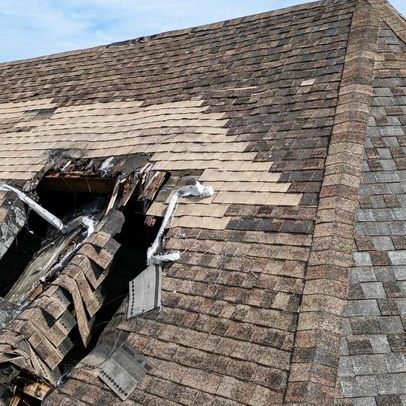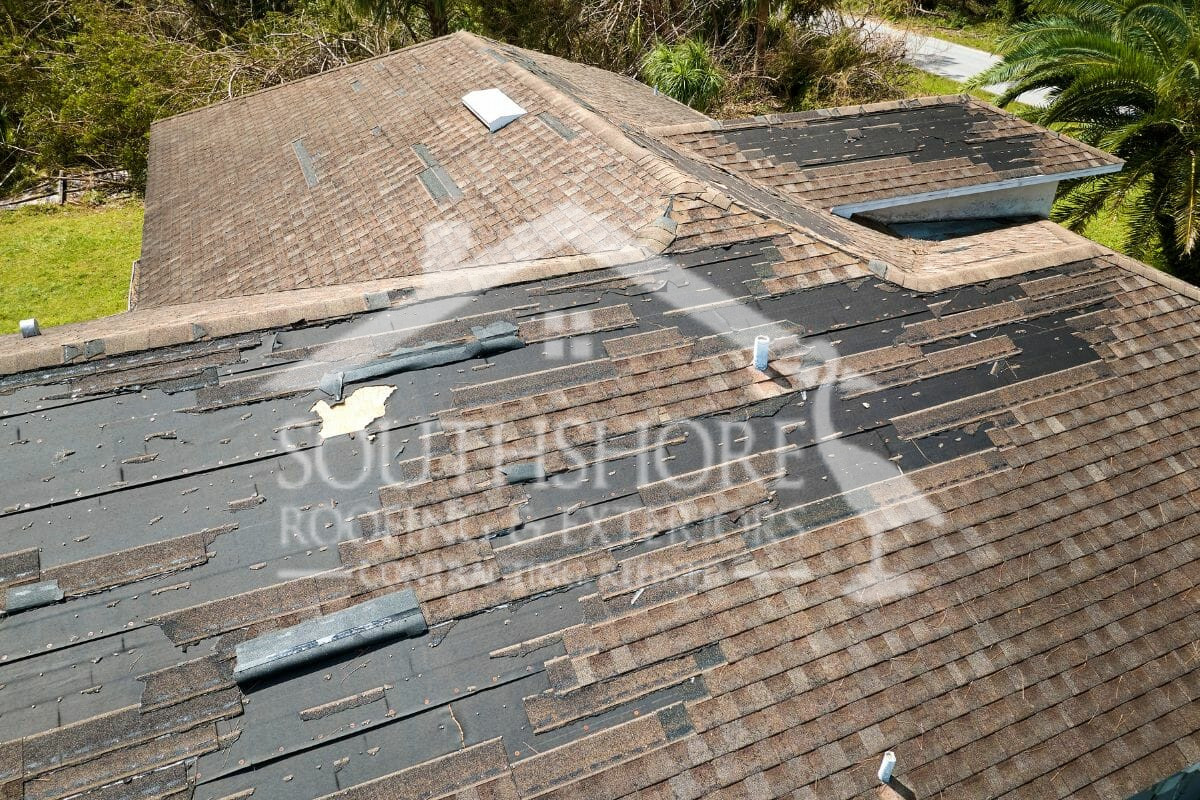
Living on Florida's Gulf Coast means your roof takes a beating that most homeowners in other parts of the country never deal with. Tarpon Springs gets around 50 inches of rain annually, summer temperatures that push well into the 90s, and the kind of persistent humidity that eats through roofing materials faster than you might expect. Add salty air into the mix, and asphalt shingles that might last 25 years in a drier climate often show serious wear in 16 to 18 years here. When you factor in storm season, intense UV exposure, and algae growth that thrives in warm, moist conditions, it's easy to see why roof problems tend to develop quietly and then escalate quickly.
That's exactly why quick repairs matter so much in this market. A few missing shingles or a small leak at a flat roof transition point can turn into a much bigger problem after the next heavy rain. SouthShore Roofing & Exteriors works specifically with Tarpon Springs homeowners who want repairs done right the first time, using materials suited to coastal conditions and work that meets Florida Building Code wind-resistance standards. The goal isn't just to patch what's visible. It's to protect your home from the specific conditions this area throws at it year after year.
A roof repair is easier to manage when you understand what needs to happen and why. SouthShore Roofing & Exteriors focuses on identifying the issue, explaining the right solution, and completing the work with clear expectations.
Tarpon Springs homes face a specific set of conditions that show up in predictable ways on the roof. Knowing what you're likely dealing with helps you understand why certain repairs can't wait and what's actually causing the problem in the first place.
| Issue | Common Cause | Priority Level |
|---|---|---|
| Missing or broken shingles | Wind-driven storm damage | High: address immediately |
| Curling or buckling shingles | Heat exposure and end-of-life asphalt | High: may indicate full section replacement needed |
| Rust or corrosion at metal parts | Salt-filled air exposure along the coast | Medium to high: gets worse quickly without repair |
| Cracked or displaced tile | Thermal expansion and impact | Medium: requires skilled individual unit replacement |
| Leaks at flat roof transitions | Slope-to-flat waterproofing failure | High: a frequent source of water entry |
Moss, algae, and mildew growth are also worth taking seriously here. The combination of heat and moisture creates near-perfect conditions for organic growth to take hold, and once it does, it accelerates the breakdown of roofing materials underneath. Repairs in Tarpon Springs should always account for algae-resistant materials where applicable, so the fix actually holds up in this environment rather than cycling through the same problem every few years.
When damaged materials are replaced, SouthShore uses algae-resistant options rated for warm, humid coastal environments like Tarpon Springs. This matters because swapping in standard materials in this climate often means dealing with the same organic growth problem again within a few years.
Fasteners, flashing, and other metal parts on coastal homes are especially vulnerable to salty air, which speeds up rust and leads to leaks at connection points. Repairs include anti-corrosion materials specifically suited to Gulf Coast conditions, so those fixes don't fail prematurely.
Any section of your roof that gets repaired is installed to meet Florida Building Code wind-resistance standards for coastal zones, not just patched to look right. That matters when the next storm rolls through and your roof needs to perform, not just appear intact.
Leaves, branches, and other debris that collect on your roof trap moisture and quietly speed up deterioration, especially in areas around gaps and low-slope sections. Clearing that buildup during your repair visit helps the work last longer and reduces the conditions that invite new problems to develop.
Tarpon Springs homes deal with a combination of heat, humidity, salty air, and heavy rainfall that wears on roofing materials in ways that aren't always obvious until a real problem surfaces. Catching issues early, before a small leak spreads or a compromised section gives out after the next round of rain, is what keeps a repair affordable and your home protected. With drier conditions typically running from late fall through early spring, that window is often the most practical time to get repair work done and let materials set properly.
If you've noticed missing shingles, discoloration from organic growth, or water showing up somewhere it shouldn't, SouthShore Roofing & Exteriors is ready to take a look. Getting a clear picture of what's going on with your roof doesn't have to be complicated, and we're happy to walk you through what we find. Reach out whenever you're ready.
Got questions about your roof? We’ve got answers. From maintenance tips to insurance claims and repair timelines, our FAQ section covers the most common concerns homeowners have. Get informed and make confident decisions about protecting your home.
It does, and homeowners who move here from inland areas are often caught off guard by how quickly their roof shows wear. Salty air pulls moisture out of asphalt shingles, leaving them brittle and prone to cracking far sooner than you'd expect. Metal parts like fasteners and flashing are also affected, corroding faster than they would just a few miles away from the coast. That's why materials chosen for repairs here need to be rated for a coastal environment, not just standard replacements pulled off a supply truck.
A roof can lose granules, develop small cracks, or take on subtle damage that's completely invisible from the street but still allows water in over time. In Tarpon Springs, where heavy rain follows storms quickly and repeatedly, even minor undetected damage can let moisture into your roof decking or attic before you notice anything inside your home. A ground-level view tells you almost nothing about what's happening at flat roof transitions, around flashing, or on sections where shingles have shifted slightly. A proper inspection after any significant storm is worth doing even when everything looks intact from the driveway.
Yes, and it's something a lot of homeowners don't think to ask about until there's already a leak. The areas where panels are mounted create gap points in the surface of the roof, and if the waterproofing around those points wasn't done carefully or has degraded over time, water finds its way in. Repairs around solar equipment require specialized sealing to restore a watertight seal without interfering with the panel installation itself. It's a more detailed repair than a standard shingle fix, and skipping the extra steps usually leads to the same leak coming back.
Don't wait for leaks or storm damage to threaten your property. Our experienced Tampa roofing team delivers reliable repairs, replacements, and maintenance services that stand up to Florida's toughest weather. With years of local experience and a commitment to quality craftsmanship, we're here to keep your family safe and dry.
Get your free roofing estimate today and discover why Tampa homeowners trust us with their most important investment.


 Instant Quote