
 Instant Quote
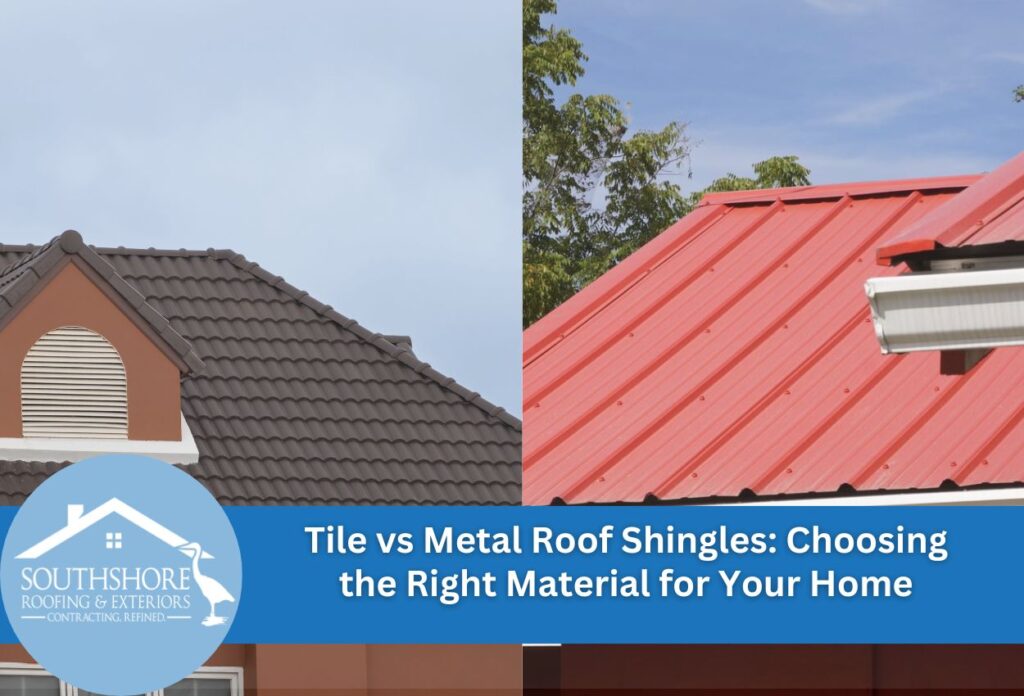
Selecting the right roofing material represents one of the biggest decisions homeowners face when building or replacing their roof. Two of the most popular options available today are tile and metal roof shingles, each offering distinct advantages that make them suitable for different situations and preferences.
The choice between tile and metal roofing materials extends far beyond their appearance. These roofing options have differences in their durability, maintenance requirements, energy efficiency, and long-term performance characteristics. Understanding the differences between them becomes important for making an informed decision that lines up with your home’s specific needs, local climate conditions, and personal priorities.
Tile roofs have maintained their popularity for centuries, offering longevity and natural insulation properties. Metal shingles have gained significant traction in recent years due to their lightweight construction, weather resistance, and modern manufacturing advances that provide improved performance and visual appeal.
The roof comparison between these two options involves evaluating multiple factors, including installation requirements, weather resistance, energy efficiency, and overall value proposition. Each material excels in different areas, making the selection process dependent on individual circumstances rather than a one-size-fits-all solution. The best roofing options ultimately depend on carefully weighing these various characteristics against your specific requirements and expectations.
Durability and Lifespan Comparison
When comparing tile vs. metal roof shingles for longevity, tile roofs consistently demonstrate exceptional durability with lifespans often exceeding 50 to 100 years under normal conditions. Clay and concrete tiles possess inherent resistance to fire, insects, and rot, making them among the most durable roofing materials available. Their longevity depends heavily on proper installation, regular maintenance, and local weather patterns that affect thermal expansion and contraction.
Several things influence tile roof performance over time, including freeze-thaw cycles, weather exposure, and structural settling. In regions with frequent temperature fluctuations, thermal stress can cause cracking, while high winds may displace individual tiles. However, quality tile installations typically withstand these challenges effectively when properly maintained.
Metal shingle advantages include impressive durability expectations ranging from 40 to 70 years, depending on the specific alloy and coating system used. Modern metal roofing materials have excellent resistance to common roofing problems, including wind uplift, hail damage, and leaks.
The comparison between these two roofing materials reveals that both options significantly outperform traditional asphalt shingles. While tile roofs may edge out metal shingles in longevity, metal roofing materials offer superior performance in high-wind environments and require less structural support.
Weather Resistance and Climate Considerations
Weather performance plays an important role in any roof material comparison, particularly when evaluating how these different materials handle extreme conditions. Tile roofing demonstrates remarkable resilience against temperature fluctuations due to its natural insulation, which helps moderate temperature swings and reduce thermal stress on the roofing system. However, clay and concrete tiles can be vulnerable to impact damage from large hail and may crack or break.
Wind resistance varies significantly between the types of tiles and installation methods. Properly installed tile roofs can withstand high winds, though individual tiles may become displaced during severe storms. The weight of tile roofing materials provides natural wind resistance, but this same characteristic requires adequate structural support to prevent system failure during extreme weather.
Metal shingle advantages become particularly evident in severe weather situations. Modern metal roofing systems excel in high-wind environments, with many products rated for wind speeds exceeding 140 mph when properly installed. The interlocking design of metal shingles creates a continuous barrier that resists wind uplift and reduces the risk of individual component failure during storms.
Hail resistance represents another benefit of metal roofs, as quality metal shingles typically resist denting and maintain their protective properties even after heavy impact. The durability of metal roofing systems also extends to freeze-thaw resistance, making them excellent options for climates with temperature variations and challenging weather patterns throughout the year.
Maintenance Requirements and Long-Term Care
Understanding the maintenance needs of these roofing materials helps homeowners make informed decisions when evaluating which type of shingle to get. Tile roofs require specific ongoing care to maintain their performance and appearance throughout their extended lifespan. Regular cleaning becomes important for preventing moss, algae, and gathering debris that can compromise the roofing system’s effectiveness and create situations where water is held against the roof’s surface like a sponge.
Tile roof maintenance involves periodic inspection for cracked, chipped, or displaced tiles that require individual replacement. The modular nature of tile systems allows for selective repairs without replacing entire sections, though matching older tiles can sometimes be a challenge if the manufacturer discontinued the product. Professional cleaning typically occurs every 1 to 2 years, depending on environmental conditions and the presence of overhanging plants that contribute to organic growth.
Gutter maintenance is very important with tile installations, as broken tile fragments and granular material can collect in them, causing drainage problems. Regular gutter cleaning and inspection help prevent water backup that could damage the underlying roof structure and compromise the tile roof benefits homeowners expect.
The advantages of metal shingles extend to their maintenance requirements, as these systems typically need less frequent attention than traditional roofing materials. The smooth surface of metal shingles naturally sheds debris and resists organic growth, reducing the need for intensive cleaning schedules. When maintenance becomes necessary, metal roofing systems generally require simple washing with appropriate cleaning solutions to maintain their appearance and performance characteristics, making them among the best roofing options for homeowners seeking low-maintenance solutions.
Energy Efficiency and Insulation Properties
Energy performance is an important consideration when evaluating tile and metal roof shingles, as roofing materials significantly impact home heating and cooling expenses. A tile roof naturally provides additional insulation that helps regulate indoor temperatures by absorbing outdoor heat during warm seasons and releasing indoor warmth slowly as temperatures drop. This thermal storage capability reduces temperature fluctuations and decreases the workload on HVAC systems.
The natural insulation benefits of tile roofs stem from their density and the air spaces created between individual tiles and the roof deck. Clay and concrete tiles create an effective barrier against heat transfer, while the ventilation channels beneath tiles allow air circulation that prevents excessive heat buildup. These roof benefits become particularly valuable in climates with significant temperature variations throughout the day.
Metal shingles have advantages in energy efficiency, focusing primarily on their reflective properties and ability to redirect solar radiation away from your home. Modern metal roofing systems feature specialized coatings designed to reflect infrared radiation and reduce heat absorption. These cool roof technologies can significantly lower attic temperatures and reduce air conditioning needs during peak summer months.
The thermal efficiency of metal roofing includes rapid heat dissipation once temperatures begin dropping, which prevents prolonged heat retention that could increase cooling costs. However, metal roofing systems typically require additional insulation measures to achieve the best energy performance. When evaluating roofing material durability and energy efficiency together, both options provide substantial improvements over conventional asphalt shingles, making them great options for energy-conscious homeowners seeking long-term utility savings.
Installation Process and Timeline Differences
The installation process for tile vs. metal roof shingles varies significantly in complexity, duration, and structural requirements. Tile roof installation needs extra preparation due to the weight of clay and concrete materials, which can range from 600 to 1,000 pounds per roofing square (100 square feet). This weight requirement often needs structural reinforcement of the existing roof framework to prevent sagging or structural failure over time.
Before tile installation begins, roofing contractors have to evaluate the existing roof structure and determine whether additional support beams or reinforcement materials are necessary. This assessment phase can extend the project timeline by several days while structural modifications are completed.
Metal shingle advantages become apparent during the installation phase, as these materials weigh significantly less than traditional tile options. Most metal roofing systems weigh between 50 to 150 pounds per roofing square, allowing installation over existing roof structures without additional reinforcement in most cases. This reduced stress on the roof’s structure makes the installation process much quicker and eliminates potential delays associated with modifications.
Making the Final Decision for Your Home
Budget considerations go past installation expenses to encompass maintenance requirements, energy savings potential, and expected replacement timelines. Tile roof benefits include exceptional longevity that may offset higher upfront investment, while metal shingle advantages center on lower maintenance demands and faster installation processes. Your personal appearance preferences and neighborhood architectural styles also influence the best choice for your specific situation.
Evaluate which material aligns with your long-term homeownership plans and maintenance capabilities. Homeowners planning to remain in their residence for decades may prioritize the extended lifespan of tile roofing, while those seeking immediate energy efficiency and minimal upkeep might find metal systems more suitable. Consider how each option complements your home’s existing design elements and enhances your overall property value.
The best roofing material options ultimately depend on balancing these competing priorities according to your circumstances. This roof material comparison demonstrates that both tile and metal systems offer substantial advantages over conventional materials, making either choice a sound investment when properly matched to your home’s requirements and your personal preferences.
Discover the Best Roofing Option for Your Home with SouthShore Roofing & Exteriors
Each of these materials has its own advantages, whether it’s the durability and classic appeal of tile or the modern, energy-efficient features of metal shingles. Consider how each option aligns with your area’s climate, your appearance preferences, and your long-term maintenance expectations.
If you’re ready to choose the best roofing material for your home or need more information to make an informed decision, give SouthShore Roofing & Exteriors a call at (813) 400-3329, and let us help you secure the best roofing solution tailored to your needs and preferences. Don’t wait, ensure your home is protected with the best. Call now and transform your roofing experience with expert guidance and top-notch service.
Related Articles
-
 August 3, 2024The Best Roofing Material: Home Roofing GuideWhen it comes to renovating our homes, we all want the freedom to choose materials that are both durable and budget-friendly. The roof, being one of the most critical parts of the house, requires careful consideration in terms of material choice, especially when working on a tight budget. As experienced homeowners ourselves, we understand how […]
 -
 October 16, 2024Metal Roof Over Shingles: Everything You Need To KnowAre you considering a new roof for your home? If you currently have an asphalt shingle roof, you might wonder if it’s possible to install a metal roof over shingles. This comprehensive guide will explore the process, benefits, and considerations of installing metal roofing over existing shingles. By the end of this article, you will […]
 -
 October 15, 2024Comparing 31 Roof Types: Styles, Climate Suitability, Materials and CostsHave you ever found yourself gazing at different roofs and asking, ‘What kind of roof is that? Could that work for my home?’ Picking the perfect roof type involves more than just choosing the best roofing material. You need to consider style, climate suitability, and cost. Each roof type comes with its own unique pros […]
Protect Your Home with Expert Roofing
Don’t wait for leaks or storm damage to cause costly repairs. Our experienced roofing team provides fast, reliable service, high-quality materials, and lasting results. Ensure your home stays safe, secure, and looking great—contact us today for a free estimate.


