

How Long Does a Commercial Roof Inspection Take? What to Expect
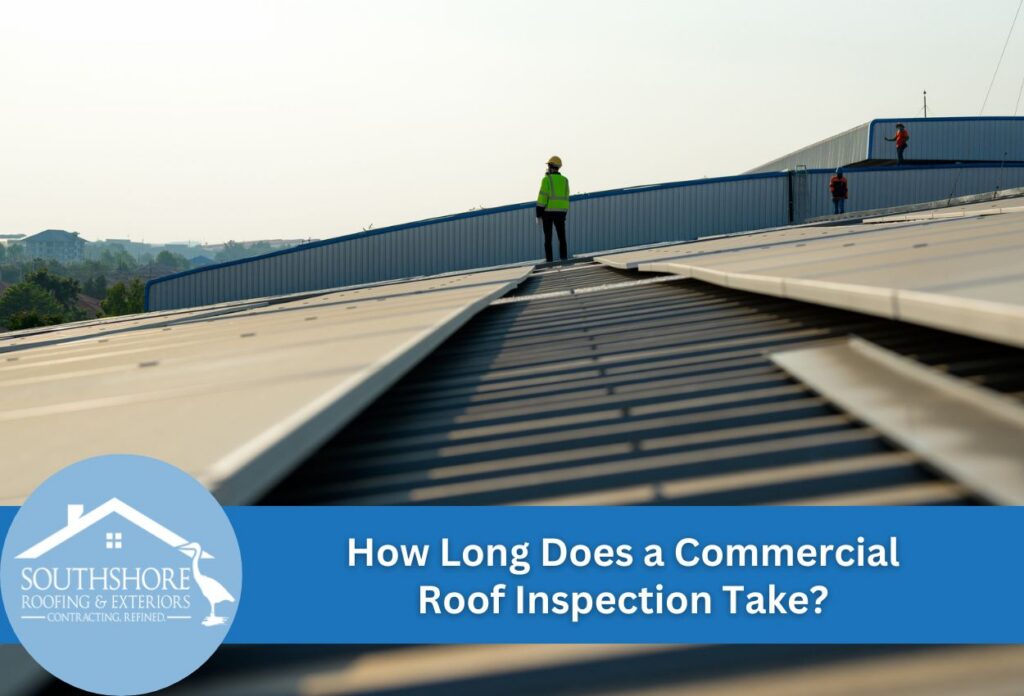

A commercial roof inspection typically takes between 45 minutes and 3 hours, depending on the size of the building, roof complexity, and accessibility. Property managers and business owners need this information to schedule inspections with minimal disruption to daily operations. The typical roof inspection duration varies based on several factors, including square footage, the number of roof levels, existing damage, and the type of roofing system installed.
Understanding what to expect during roof inspections helps businesses prepare adequately. The commercial roof inspection process involves a thorough examination of the roof’s surface, drainage systems, flashing, gaps, and structural components. Professional roof inspection steps include visual assessments, moisture detection, documentation through photos and detailed reports, and identification of potential issues before they become expensive problems. Factors affecting roof inspection time include weather conditions, roof age, and whether the inspector needs to access interior ceiling spaces to check for water damage or structural concerns. Scheduling a professional inspection at the right time protects the investment in commercial property and ensures the roof continues to perform as designed.
Key Factors That Determine Your Commercial Roof Inspection Timeline
Building size represents one of the most significant factors affecting roof inspection time. A small commercial building with a flat roof covering 5,000 square feet might require only 45 minutes for a thorough examination, while a large warehouse or multi-building complex spanning 50,000 square feet or more could take 3 hours or longer. Roof type also plays a critical role in the commercial roof inspection process, as inspectors need different amounts of time to assess TPO, EPDM, metal, or built-up roofing systems. Accessibility issues such as roof height, the availability of safe access points, and surrounding obstacles can extend inspection duration considerably.
The existing condition of the roof directly impacts how long inspections take to complete. A well-maintained roof with no apparent issues allows inspectors to move quickly through professional roof inspection steps, while a roof showing signs of deterioration, ponding water, or previous repairs requires more detailed examination and documentation. Weather considerations cannot be overlooked when determining typical roof inspection duration, as rain, extreme heat, or high winds may delay or extend the process. The scale of inspection requested by the property owner also affects timing, with basic visual assessments taking less time than evaluations that include moisture scanning and core sampling.
The Commercial Roof Inspection Process Explained
The commercial roof inspection process begins with an initial visual assessment and exterior examination. Inspectors start by evaluating the roof’s drainage systems to identify standing water or clogged gutters that could lead to long-term damage. They carefully examine all flashing around gaps, edges, and transitions to check for gaps, rust, or deterioration. The membrane condition receives close attention as inspectors look for cracks, blisters, punctures, or areas where the roofing material has separated from the roof deck. This exterior phase typically comprises the first 30 to 90 minutes of the typical roof inspection duration, depending on roof size and complexity.
The interior inspection component follows the exterior assessment and provides important information about hidden problems. Inspectors need access to interior ceiling spaces to check for moisture intrusion, water stains, or active leaks that may not be visible from the rooftop. They examine structural components like roof decking and support beams for sagging, rot, or other signs of compromise. Understanding what to expect during roof inspections helps property owners prepare by ensuring inspectors can access mechanical rooms, storage areas, and upper floors where roof gaps occur. This two-part approach explains why factors affecting roof inspection time include both exterior conditions and interior accessibility requirements.
Documentation and Testing Methods Used During Inspections
Professional roof inspection steps include advanced documentation and testing procedures that add time to the overall commercial roof inspection process but provide valuable diagnostic information. Inspectors use high-resolution cameras to capture detailed photos of problem areas, creating visual records that property owners can reference when planning repairs. Moisture meters help detect hidden leaks beneath the roofing surface, identifying issues before they cause visible interior damage. When moisture concerns arise, inspectors may spend additional time performing grid testing across larger sections of the roof to map wet areas accurately. Thermal imaging technology has become increasingly common in inspections, allowing professionals to identify temperature differentials that indicate missing insulation, air leaks, or trapped moisture without invasive testing.
These thorough methods contribute significantly to factors affecting roof inspection time but ensure nothing gets overlooked. Infrared scanning requires specific weather conditions and time of day to produce accurate results, which may extend the typical roof inspection duration by 30 to 60 minutes for larger buildings. Inspectors also take measurements of existing conditions, document drainage slopes, and may perform core samples if roof replacement is being considered. This detailed approach to what to expect during roof inspections provides property managers with actionable data rather than general observations, supporting informed decisions about maintenance priorities and budget planning.
Final Walkthrough and Immediate Findings Discussion
After completing all professional roof inspection steps, inspectors typically conduct a final walkthrough with property representatives to review observations before leaving the site. This discussion usually takes 15 to 30 minutes and provides immediate insight into the roof’s condition. Inspectors highlight important issues requiring urgent attention, such as active leaks or safety hazards, while also noting minor concerns that can be addressed during routine maintenance. Property managers benefit from asking questions during this walkthrough to clarify findings and understand the inspector’s recommendations. The immediate findings discussion represents an essential component of the commercial roof inspection process, as it allows both parties to walk the roof together when possible, viewing problem areas firsthand rather than relying solely on written reports delivered later.
This concluding phase ensures everyone understands the current roof status and next steps. Inspectors may provide preliminary estimates of remaining roof life and identify which repairs should take priority based on risk assessment. While detailed written reports with photos and recommendations typically follow within a few days, the on-site discussion gives property owners immediate information they can use for emergency response if needed, making this time investment worthwhile despite extending the overall inspection duration.
How Different Roofing Materials Impact Inspection Duration
The type of commercial roofing system installed directly affects how long inspections take to complete. TPO and EPDM single-ply membrane roofs generally require less inspection time because their smooth, uniform surfaces allow inspectors to quickly identify seam issues, punctures, or surface deterioration. These systems typically feature heat-welded or mechanically fastened seams that follow predictable patterns, making problem areas easier to locate during the commercial roof inspection process. Metal roofing systems require more attention at fastener points, panel overlaps, and transition areas where corrosion or thermal movement may cause failures. Inspectors spend additional time examining each gap and checking for loose fasteners across the entire surface of the roof.
Modified bitumen and built-up roofing systems present greater complexity that extends the typical roof inspection duration. These multi-layer systems require careful examination of surface granules, blister formation, and the condition of multiple plies that may deteriorate at different rates. Inspectors often need extra time to assess whether layers have properly adhered to each other and to identify potential delamination beneath the surface. Multi-layer roofing systems or roofs with previous repairs create additional challenges because patches, coatings, or overlapping materials can hide underlying damage. Inspectors must investigate these areas more thoroughly to determine whether moisture has gotten beneath repair sections, which explains why factors affecting roof inspection time include previous maintenance history and system complexity.
Preparing Your Property to Ensure an Efficient Inspection
Property owners can significantly reduce the typical roof inspection duration by preparing the building before the inspector arrives. Clearing roof access points such as hatches, stairwells, or ladder areas ensures inspectors can begin work immediately without delays. Securing interior access to mechanical rooms, storage areas, and upper-level spaces allows professionals to complete the interior phase of the commercial roof inspection process efficiently. Gathering maintenance records, previous inspection reports, and documentation of past repairs provides inspectors with valuable context about the roof’s history. This preparation helps them identify patterns of recurring issues and focus attention on areas known to have experienced problems.
Communicating specific concerns or problem areas to the inspector before the scheduled appointment allows them to allocate appropriate time and bring specialized equipment if needed. Property managers who mention visible leaks, suspicious stains, or areas where ponding occurs regularly enable inspectors to plan the most effective approach. This advanced communication directly impacts factors affecting roof inspection time by preventing mid-inspection surprises that require additional investigation. When inspectors know what to expect during roof inspections, they can schedule adequate time and ensure the evaluation addresses all relevant concerns without requiring a return visit.
Understanding Your Inspection Report and Next Steps
Most property owners receive their detailed written inspection report within 3 to 5 business days after the on-site evaluation concludes. This document includes annotated photographs showing specific problem areas, detailed descriptions of findings organized by severity level, and professional recommendations with suggested timelines for addressing each issue. The report typically categorizes concerns as immediate priorities requiring urgent attention, short-term items to address within the next year, and long-term considerations for future planning. Understanding what documentation to expect helps property managers prepare for the next phase of the commercial roof inspection process, which involves translating findings into actionable maintenance strategies.
The inspection findings serve as a roadmap for maintenance planning and budgeting decisions over the coming months and years. Reports often include estimated timelines for repairs, helping businesses prioritize expenditures based on risk assessment rather than reacting to emergencies. Property owners can use the documented condition assessment to develop a proactive maintenance schedule that addresses minor issues before they escalate into expensive problems. Professional roof inspection steps conclude with recommendations that may suggest immediate repairs, scheduled maintenance intervals, or full replacement planning, giving property managers the information needed to make informed decisions that protect their investment and extend roof service life.
Ensure Your Commercial Property is in Top Condition with SouthShore Roofing & Exteriors
Understanding the duration of a commercial roof inspection is important for effective business planning and minimal disruption. At SouthShore Roofing & Exteriors, we specialize in thorough and efficient inspections, as part of our comprehensive commercial roofing services, tailored to the specific needs of your commercial property. Whether you have a small retail space or a large industrial complex, our expert team ensures a detailed examination without compromising your daily operations.
Don’t wait for the unexpected to happen. Regular roof inspections can save you from expensive repairs in the future. Call us today at (813) 400-3329 or visit https://southshorecontractorstampa.com/ to schedule your commercial roof inspection and ensure your property remains in prime condition. Let SouthShore Roofing & Exteriors help you keep your business covered!